
Safety tips for solo travelers have never been more crucial. Whether you’re a seasoned globetrotter or planning your first solo escape, risks today are real and evolving—especially for women. From digital scams to after-dark worries, knowing how to stay safe is not just common sense—it’s a necessity. This guide cuts through trends and hype, giving you exactly what you need to travel smart and return safely every time.
Key Takeaways
- More than 70% of solo female travelers worry about safety, and 1 in 4 has felt genuinely at risk during the last year. Preparedness and real-world tools matter more than ever.
- Accommodation choices, after-dark movement, and psychological comfort are some of the biggest—and least discussed—safety pain points.
- Smart gear like connected self-defense tools and proactive digital habits are trending as modern, effective ways to boost solo travel security.
- What Really Matters for Solo Travelers: A Safety Reality Check
- Your Step-by-Step Solo Traveler Safety Plan
- Pitfalls and Risks: What Most Guides Won’t Tell You
- Conclusion
- FAQ
What Really Matters for Solo Travelers: A Safety Reality Check
Solo travel unlocks independence and self-discovery but comes with genuine challenges. In 2024, research found that more than 70% of solo female travelers report substantial safety concerns, with one in four genuinely fearing for their safety over the past year. The number drops as travelers gain experience (from 78% down to 59% after 10+ trips), but even veterans face accommodation issues, after-dark anxieties, and the threat of scams or theft. Men travel solo, too, but women remain disproportionately targeted and restricted by safety worries.
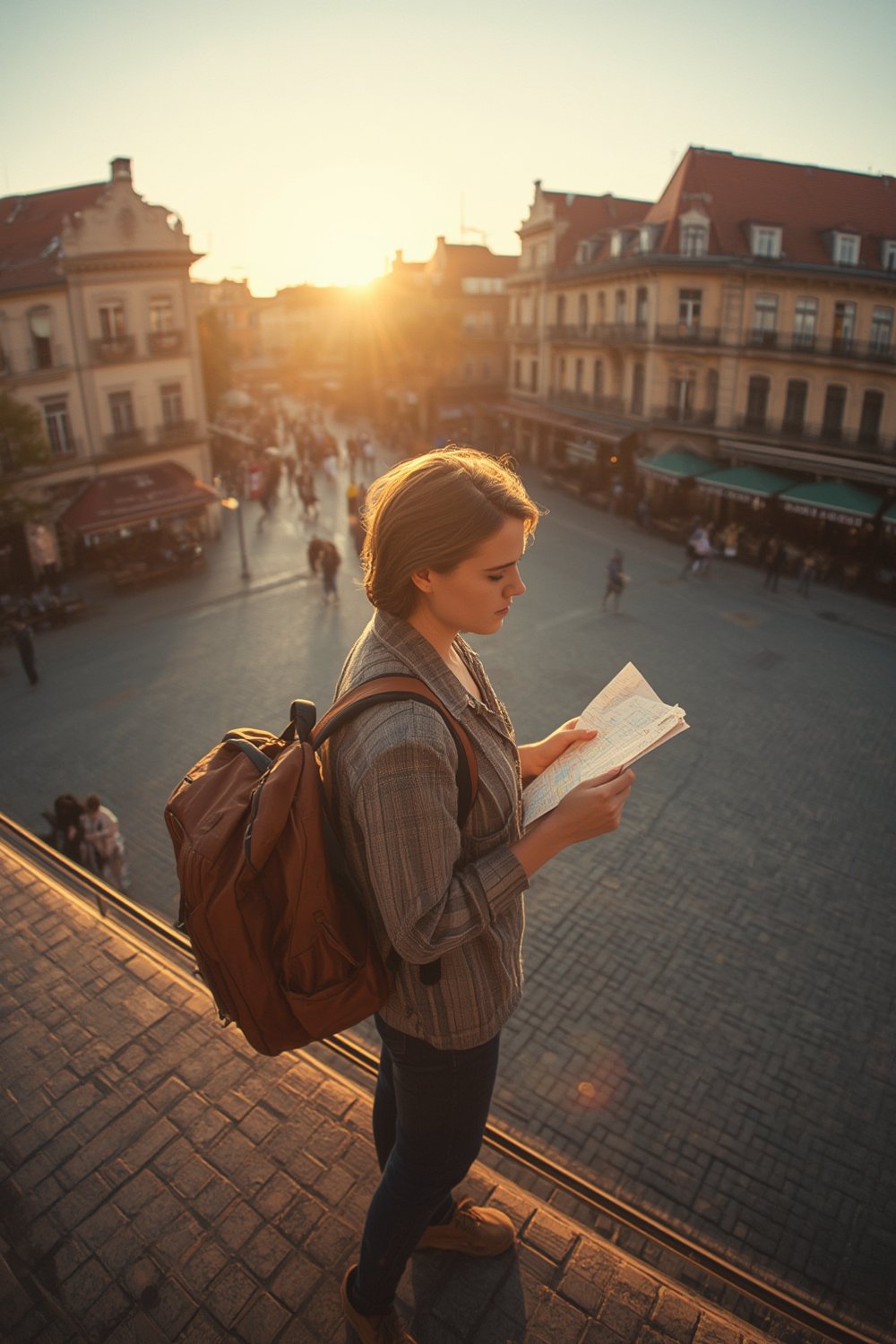
Critical safety issues aren’t just about street crime or headline-grabbing incidents. More than 40% of solo female travelers change hotels or hostels mid-trip due to poor lighting, isolation, or inadequate security. Many skip nightlife, restrict exploration after dark, or carry self-defense tools simply to feel comfortable. With travel tech evolving quickly, gear like smart pepper spray with GPS and self-defense jewelry are in demand, but education and psychological awareness remain essential for safe, confident travel.
Ignoring this reality leads to burnout, missed opportunities, or worse—real physical or emotional harm. That’s why you need not just a checklist, but a safety mindset before you go, on the road, and every night you’re away from home.
Your Step-by-Step Solo Traveler Safety Plan
Staying safe as a solo traveler in 2024 is a mix of planning, smart habits, and using the right modern tools. Follow these steps for real-world protection:
- Pre-Trip Research
Research destinations using updated safety data. For solo female travelers, worries are higher in places lacking 24/7 transport or reliable phone service. Forums and sites like Solo Female Travelers and Condor Ferries’ survey give country- and city-level insights. Don’t just rely on glossy blogs. - Choose Accommodations Wisely
Prioritize locations near main roads, with visible staff, video surveillance, and good lighting. Avoid isolated rentals or hostels that lack emergency contacts. Hostels with visible, easily accessible bunk emergency numbers are rated safer. (For diagnostics and tips, see our Hidden Camera Detector App Guide.) - Pack Modern Safety Gear
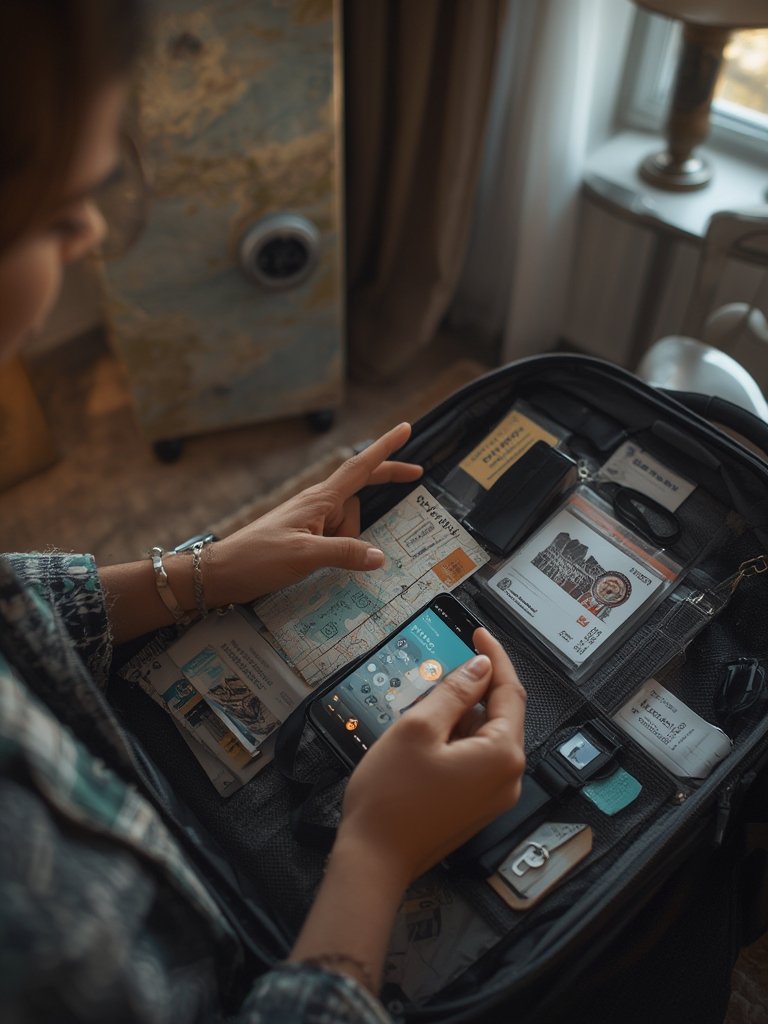
A well-built safety kit goes beyond pepper spray. Today’s essentials include:- Smart Pepper Spray with GPS for active response
- Travel door alarms and wedge locks (for doors and windows)
- anti-theft bags with lockable zippers
- Bluetooth trackers like AirTags for bags, wallets, and critical gear
- Discrete self-defense jewelry (panic button or silent alert)
Consider adding a hidden camera detector app, especially for untrusted accommodations.
- Connect and Communicate Proactively
Always share your travel plans, booking details, and daily location updates with trusted contacts. Use live location-sharing apps when arriving at new accommodations or moving at night. Test the network—does your phone have reliable signal and backup (local SIM, WiFi phone app)? - Stay Street Smart—Especially After Dark
Let instinct overrule politeness when something feels off. Avoid isolated streets after dark, especially in cities with limited all-night transit. Consider booking evening tours or activities led by reputable groups—see our guide to solo traveler tours for vetted options.
- Protect Your Digital Life
Use password managers, encrypt your cloud backups, and avoid accessing sensitive accounts on public WiFi without a VPN. Mark your electronics with trackers or anti-theft tags. Check incoming connections for hidden AirTags or Bluetooth stalkers with an anti-stalking app. - Build Resilience and Psychological Safety
Expect some worry—data shows even experienced travelers feel tension before and during solo trips. Practice grounding techniques and learn basic self-defense moves (many cities offer short courses). See our comparison of “agentic” safety apps for proactive peace of mind: Agentic AI Safety Apps.
These steps won’t guarantee you never face a safety challenge, but the right tools and mindset slash risks and help you bounce back if something goes wrong.
Pitfalls and Risks: What Most Guides Won’t Tell You
Most high-ranking articles on safety tips for solo travelers gloss over hard realities. Based on recent research and user reports, these are the pitfalls that catch even experienced solo travelers off-guard:
| Common Pitfall | What Really Happens | How to Avoid or Mitigate |
|---|---|---|
| Overconfidence with Experience | Worry decreases with experience, but complacency grows: 59% of 10+ trip veterans still report serious safety concerns. | Update your risk assessment for each destination. Don’t get lax in “familiar” places. |
| Ignoring Accommodation Vulnerabilities | 41% of solo female travelers change lodging due to poor lighting, isolation, or bad locks mid-trip. | Always trust your gut; research before arrival and have a plan B hotel nearby. |
| Underestimating Psychological Fatigue | Sustained hypervigilance leads to sleep loss and anxiety. This increases accident risk and decision fatigue. | Build in off-days and safe rest periods. Use mental health resets as part of your travel kit. |
| Misplaced Trust in New Tech | Smart spray, AirTags, and apps are useful—but only if used correctly. Lost connectivity or no immediate backup can undermine their effectiveness. | Bring low-tech backups (whistle, old-school locks). Test tech tools before the trip, not during a crisis. |
| Skipping Insurance and Documentation | 35% of solo travelers skip travel or medical insurance entirely. | Prioritize at least minimal policy; scan all documents to secure cloud storage before you go. |
Data also reveals “hidden” threats—like tech-enabled stalking or hidden cameras in rentals. Stay vigilant by scanning your space (read our best hidden camera detector app guide for how-tos), and check your bag for AirTags that aren’t yours.
Conclusion
Safety for solo travelers is non-negotiable. From booking the right hostel to carrying smart self-defense gear and staying digitally secure, every step counts. Don’t be lulled into complacency—real risks persist, even in familiar places. Proactive habits, trusted tech, and knowing your limits are as important as any travel hack. Make safety tips for solo travelers part of your every trip routine.
Ready to take the next step? Download our free Solo Traveler Safety Checklist and update your gear with our latest recommendations now.
FAQ
What are the most common crimes targeting solo travelers?
Theft (pickpocketing, luggage snatching), scams (fake taxis, overcharged tours), and, rarely but seriously, harassment or assault—especially for women. Review local risks before you go and use anti-theft bags and trackers.
How can solo travelers check if accommodation is genuinely safe?
Look for reviews that mention “secure entry,” “night staff,” or “surveillance cameras.” Choose properties near main roads, with good lighting and visible security features. Use a hidden camera detector app to scan rooms at check-in.
Are safety gadgets like smart jewelry or AirTags really effective?
Yes—but only if set up properly and you have backup. Smart jewelry can silently alert authorities or contacts, and AirTags help track lost bags. Always test devices before leaving and bring a low-tech whistle or alarm as backup.
Should solo travelers avoid going out at night?
Not necessarily, but be smart. Book tours led by trusted companies, use ride apps with live tracking, and avoid poorly lit or deserted areas alone. Trust your instincts and have a “check-in” plan with friends or family.
Is travel insurance really necessary for solo travelers?
Absolutely. Even minimal coverage protects you from theft, medical emergencies, and trip disruptions—35% of travelers skip it, but those who don’t regret it when things go wrong.
—