

women’s history month is more than a celebration—it’s a crucial opportunity to address overlooked achievements, historical biases, and stories rarely taught in schools.
Key Takeaways
- Women’s pivotal historical contributions, such as those by Henrietta Lacks, Hedy Lamarr, and Claudette Colvin, are often missing from mainstream narratives.
- Women are severely underrepresented in textbooks and media, comprising just 0.5% of recorded history; this impacts recognition and social equity.
- Organizations and educators must adopt new strategies to bridge educational gaps and foster accurate, inclusive women’s history month programs.
- Understanding Women’s History Month: Its Importance and Impact
- Actionable Steps to Make Women’s History Month Meaningful
- Advanced Analysis: Gaps, Recognition Patterns, and Pitfalls
- Conclusion
- Frequently Asked Questions
Understanding Women’s History Month: Its Importance and Impact
Women’s history month exists to highlight essential stories and milestones that traditional accounts often ignore. The month fills gaps in representation by celebrating not only widely recognized figures but also those whose names are rarely in the spotlight. It matters because omissions and unfair biases still permeate school curricula and media coverage, shaping public perception and policy.

Highlighting overlooked contributors such as Henrietta Lacks—whose HeLa cells revolutionized medical research—Hedy Lamarr, the “mother” of secure communications, and Claudette Colvin, a teenager whose act of resistance predated Rosa Parks, transforms the narrative. These women’s legacies show why inclusive commemoration remains critical to building a fuller, more honest historical record for future generations.
Despite the importance of this month, recent research confirms that women make up only 0.5% of recorded history (source). Without direct efforts to uncover lost stories and challenge stereotypes, progress slows. For instance, figures like Josephine Baker, who risked her life as a wartime spy and civil rights activist, and modern innovators advancing women’s self-protection, deserve equal spotlight.
Actionable Steps to Make Women’s History Month Meaningful
Effective women’s history month programming goes beyond posters or one-off events. To truly honor women’s contributions and address persistent gaps, follow these actionable steps:
-
Audit Your Current Content or Curriculum
Review your educational, workplace, or campaign materials. Where are women represented—if at all? Are the same 5-10 figures repeated, or does the content introduce diverse cultures, backgrounds, and timelines? Use tools and resources from advocacy groups and history projects. For tech solutions, scan your environment for gender and privacy safety using a hidden camera detector app if planning events in public spaces. -
Spotlight Lesser-Known Achievers
Go beyond the obvious. Include stories such as Annette Kellermann’s activism, Marion Pritchard’s rescue work during the Holocaust, or the computing breakthroughs of Grace Hopper. Visual storytelling can help: for example, create a rotating digital display or social media feature. -
Engage Participants in Critical Thinking
Challenge participants to investigate why certain women’s stories remain absent from textbooks. Assign paired readings comparing the treatment of men and women in science and social change. This can be as simple as a side-by-side comparison or role-play. -
Address Modern Safety and Empowerment
Link past and present by acknowledging modern barriers to recognition. Highlight innovations in personal safety such as smart pepper spray with GPS and self defense smart jewelry, or guide your organization in setting up a personal safety plan using resources like the personal safety plan guide. -
Gather Feedback and Measure Participation
Anonymous surveys, event feedback, or engagement analytics help ensure your activities actually broaden understanding and don’t fall back into tokenism or routine. Use this input to adjust future efforts.
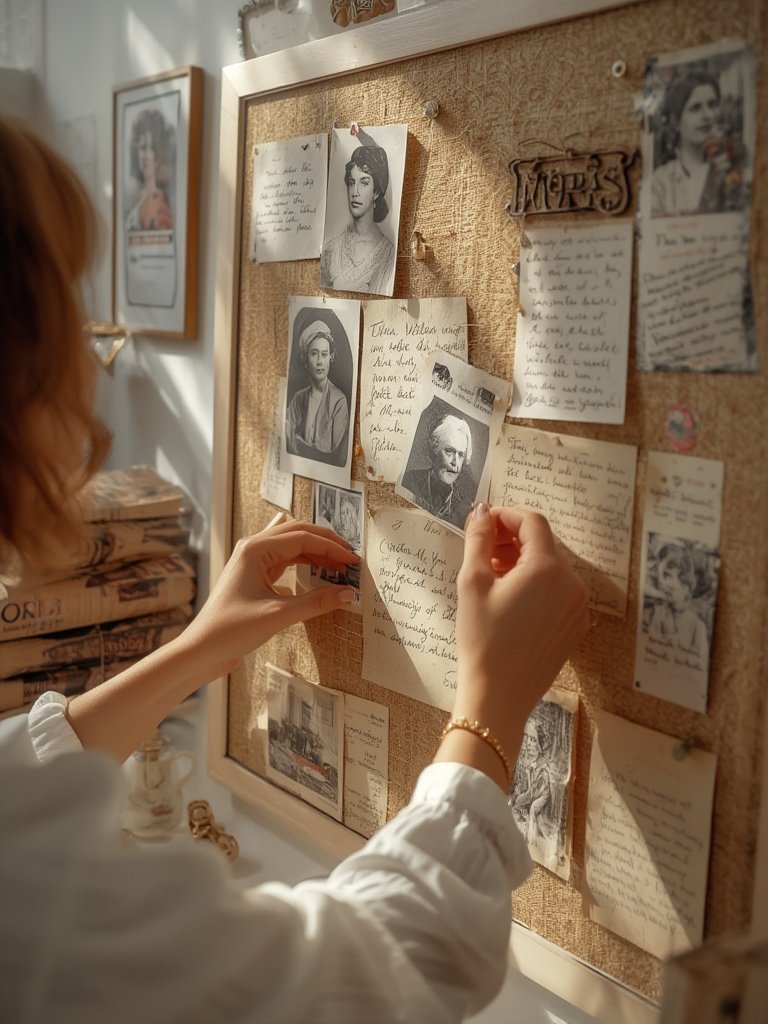
Remember, an effective women’s history month initiative is never a one-size-fits-all checklist. It must adapt to local context and community needs to avoid repeating the omissions and oversights it aims to challenge.
Advanced Analysis: Gaps, Recognition Patterns, and Pitfalls
Research exposes deep-rooted issues that even well-intentioned programs risk replicating. Here’s what often goes wrong—and how to avoid it:
| Pitfall | Consequence | How to Avoid |
|---|---|---|
| Tokenism (repeating a few famous names) | Reinforces a narrow, often Western-centric view; limits voices and experiences | Intentionally include global or marginalized voices; highlight figures like Faith Spotted Eagle |
| Surface-level events lacking substance | Little lasting impact or critical engagement | Require discussion-based activities and feedback from attendees; foster critical thinking |
| Ignoring modern advances in women’s safety and advocacy | Fails to show ongoing relevance of women’s achievements | Showcase present-day innovators and tools—consider sharing articles on solo female travel security or night walking safety |
| Lack of measurable impact or post-event strategy | No improvement in awareness or inclusivity for the next year | Collect and share outcomes; use anonymous surveys and adjust accordingly |
| Disregarding intersectionality | Overlooks experiences of women of color, LGBTQ+ women, and others | Intentionally highlight and platform these voices and blend them with discussions of access and equity |
It’s common for organizations to encounter resistance, lack of resources, or uncertainty about which stories or approaches to prioritize. For instance, there’s often confusion about using innovative event tech or ensuring privacy during hybrid and remote women’s history month activities. For best results, review events through multiple lenses and ensure protected, inclusive spaces—tools like hidden camera detection apps safeguard participants in physical venues and rentals.
Conclusion
A thoughtfully curated women’s history month shines light on voices left out of mainstream accounts and builds momentum for greater inclusion. By auditing content, sharing overlooked stories, encouraging critical thinking, and adopting modern approaches to safety and equity, you can reshape narratives and foster long-term impact.
Prioritizing measurable change and intersectionality means your organization or school will grow beyond rote commemoration. Begin by integrating what you’ve learned here, and actively seek out next steps in your women’s history month journey. Ready to take action? Audit your own space or team—the stories you tell now shape tomorrow’s history.
Frequently Asked Questions
Why is women’s history month necessary?
This month corrects imbalances in historical records where women make up only 0.5% of documented history. It’s an active effort to recognize the depth and diversity of women’s contributions.
How can I find lesser-known women to highlight during women’s history month?
Use resources like the Rep Project’s list of overlooked women in history and research local archives. Encourage participants to explore women’s roles in fields like science, civil rights, and technology beyond textbook staples.
What are some common mistakes organizations make during women’s history month?
Relying on a few well-known names, planning generic events without engagement, and not measuring outcomes. Avoid these by diversifying stories, encouraging critical discussion, and gathering participant feedback to inform future programming.
How does women’s history month relate to current issues like personal safety?
Celebrating women’s resilience includes recognizing modern challenges and innovations, such as advances in personal safety gear and strategies. Highlight these links to keep the month relevant and actionable.
Where can I find tools and resources to improve safety during women’s history month events?
Explore tech like smart connected pepper spray, smart safety jewelry, and apps that detect hidden cameras to create secure environments for all attendees.