
Best personal safety alarm for women is a must-have tool for anyone looking to boost security during solo travel, night walks, or daily commutes. In reality, not all alarms are made equal—features, usability, and real-world effectiveness can vary dramatically. Here’s what you need to know to choose the safest, most practical option for your needs.
Key Takeaways
- The wearable personal safety alarm market is booming, with North America leading in adoption and innovation.
- Advanced alarms now feature Bluetooth, GPS, and smart integration, but loudness claims often lack real-world verification.
- Pitfalls include unclear effectiveness data, ambiguous decibel ratings, and variable ease of use under stress.
- What Makes a Great Personal Safety Alarm for Women?
- How to Choose and Use a Personal Safety Alarm: Step-By-Step
- Advanced Analysis & Common Pitfalls
- Conclusion
- FAQ: Best Personal Safety Alarm for Women
What Makes a Great Personal Safety Alarm for Women?
Personal safety alarms for women are designed to deter threats and draw attention in emergencies. These devices are typically compact, lightweight, and emit noise levels above 120dB. The global market is set for explosive growth, driven by innovations in Bluetooth connectivity, smart app integration, and discreet, wearable designs (see market statistics).
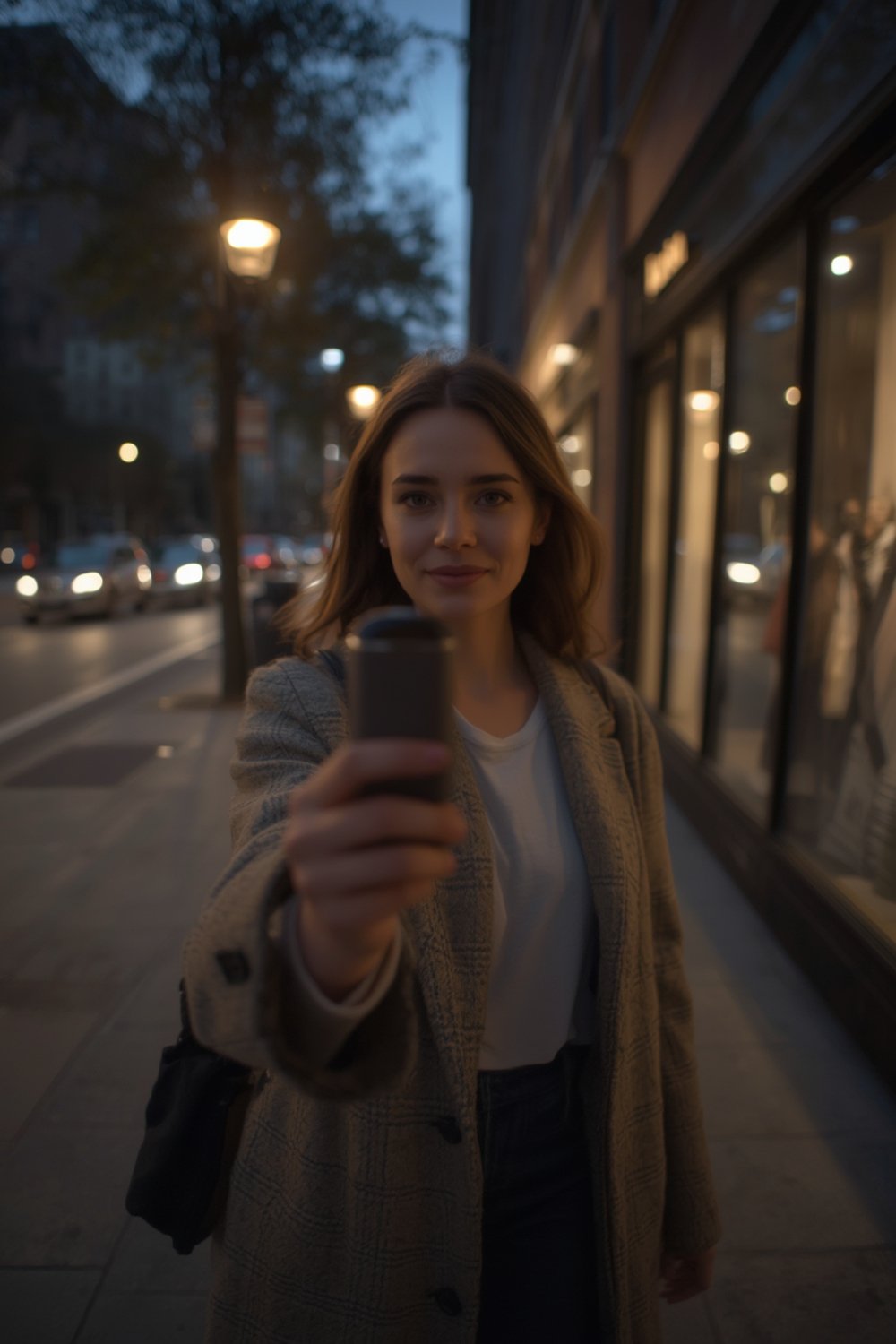
The best personal safety alarms stand out by combining reliability and simplicity with tech-forward extras like GPS alerts and extended battery life. While basic models emphasize affordability and instant activation, more advanced options double as fashion accessories and send live location data to emergency contacts. As the market evolves, focus is shifting from just loud alarms to smart safety networks that can trigger a holistic emergency response—critical for solo female travelers, students, professionals, and seniors.
For users wanting both functionality and style, the smart jewelry segment is seeing rapid growth due to its discreet, everyday appeal. Meanwhile, solo travel safety guides and the rise in connected defense products reflect a broader shift toward proactive personal security.
How to Choose and Use a Personal Safety Alarm: Step-By-Step
Getting the most from your personal safety alarm means more than just buying the loudest product. Here’s how to select, set up, and use your device for true peace of mind:
-
Define Your Main Use Case.
Are you commuting daily, traveling solo, or looking for security during evening walks? Pinpoint your use scenario to filter alarms with features you’ll actually use.
-
Compare Alarm Types and Activation Styles.
The main categories are keychain alarms, wearable pendants/bracelets, and smart Bluetooth-enabled devices. Choose between pull-pin, push-button, or app-based activation—try these in-store if possible to judge ease of use under stress.
-
Evaluate Loudness and Range.
Look for alarms rated at least 120dB, but be aware manufacturer claims can be unverified by independent tests. Consider the environment: busy streets may require higher output.
-
Check for Smart Features.
Premium models offer GPS tracking, live SMS alerts, or one-touch calls to emergency services. Ensure compatibility with your smartphone, and test the companion app thoroughly. For the most advanced safety solutions, see our breakdown of Agentic AI Safety Apps.
-
Battery Life and Maintenance.
Avoid short-life batteries that drain quickly or require complex replacements. Devices with 12+ months stand-by or USB recharge options are now widely available.
-
Test Accessibility.
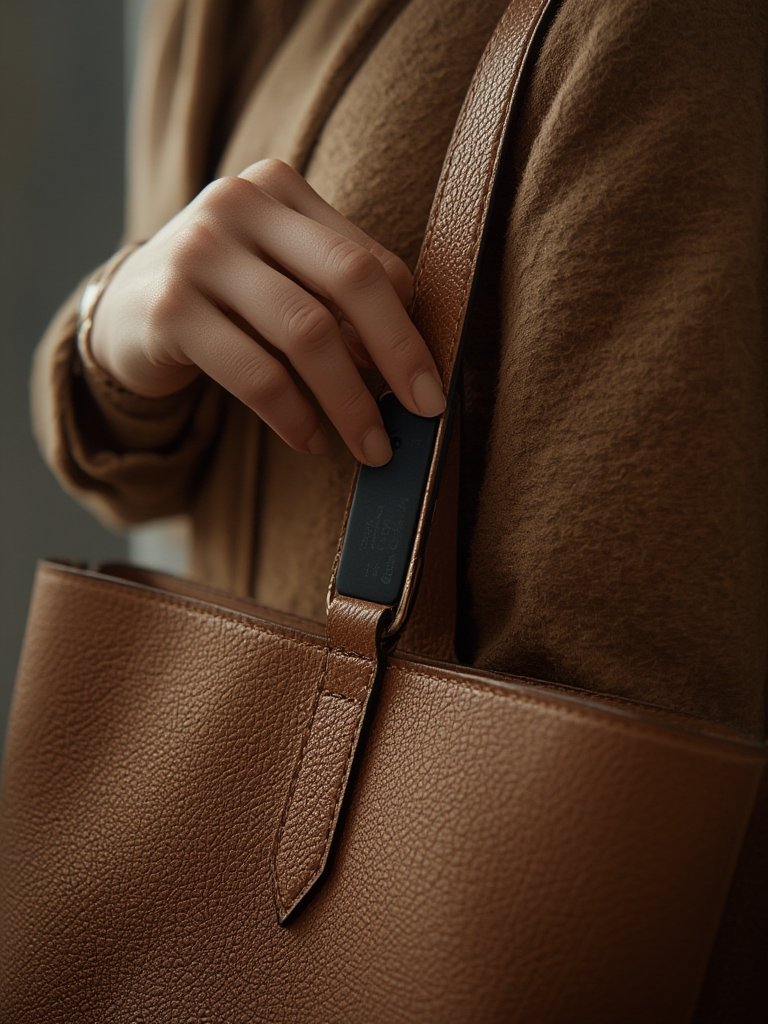
Clip, pin, or attach the alarm to a spot you can reliably reach in panic—for example, purse strap, wrist, or belt. Practice discrete activation without looking directly at the device.
For further guidance, check out our comprehensive travel safety checklist before your next trip.
Finally, never assume one device is enough. Combine your alarm with smart jewelry, pepper spray (see Paulina Reyes pepper spray guide), and behavioral precautions for a layered approach to personal safety.
Advanced Analysis & Common Pitfalls
Choosing the best personal safety alarm for women is not just about picking the most expensive or tech-packed device. Here are common pitfalls—and what to watch for based on 2024 market and technical research:
| Feature | Standard Alarms | Advanced/Smart Alarms | Potential Drawbacks |
|---|---|---|---|
| Decibel Rating | 120-130dB (claimed) | 120-130dB (claimed) + vibration/light | No third-party verification; loudness may vary; repeated use can drain batteries fast. |
| Activation | Pull-pin or button | Button, app, or voice | Buttons may be too small for panic use; smart features may lag due to Bluetooth connection drops. |
| Smart Features | None | GPS, SMS, Bluetooth, app alerts | Reliant on phone battery/signal; can malfunction or not pair in emergencies. |
| Design | Keychain, pendant | Fashion jewelry, wristband, apparel | Fashion-first designs may be harder to activate quickly or may attract less attention. |
| Battery Life | 3-12 months | 6-24 months, some rechargeable | Unknown battery state may cause failure when needed; replace routinely. |
Despite bold marketing, no verified source has published independent real-world decibel tests for major brands. Also, effectiveness in real-life incidents, especially during solo female travel, lacks solid police or case data (Future Market Report).
- Activation During Panic: Fine-motor control drops under stress. Practice regular hands-on drills, and avoid designs with hidden or hard-to-pull pins. Overly fashionable models, while discreet, can be confusing to activate.
- False Sense of Security: No alarm guarantees deterrence. Use alarms as part of a multi-layered plan—consider door locks, behavioral safety tips, and mobile apps.
- Routine Checks: Batteries fail and tech can glitch. Set calendar reminders to run monthly functionality checks.
- Privacy: Smart alarms may transmit location or data to third parties. Read privacy policies and limit permissions on companion apps.

Finally, be aware of connected defense alternatives like smart pepper sprays or advanced apps that may offer broader coverage than an alarm alone.
Conclusion
Personal safety is not one-size-fits-all, but the best personal safety alarm for women will be reliable, easy to use under stress, and ideally blends loudness with connectivity or smart features. Remember, market hype often outpaces independent verification—layer your safety and never rely exclusively on a single device. Test, practice, and combine tools like alarms, smart jewelry, and travel door locks for comprehensive protection. Ready to upgrade your safety? Review our gear guides, test your alarm, and make preparedness a habit—don’t wait for a close call to take action.
FAQ: Best Personal Safety Alarm for Women
Are personal safety alarms actually effective in emergencies?
Their main role is to deter threats with loud noise and attract bystander attention, but effectiveness depends on context. Case data is limited—always use alarms as part of a layered security plan with other tools.
What decibel level should I look for in a personal safety alarm?
Look for devices rated at least 120dB. Note that real-world tests are rarely published, and some models may not reach claimed levels. When possible, test loudness before purchase.
Can smart alarms replace traditional keychain alarms?
Smart alarms add features like GPS and SMS alerts, but they can be less reliable if your phone is out of battery or signal. For best results, carry both a traditional and a smart alarm, or choose a hybrid device.
How often should I check or change the battery?
Test your alarm monthly and replace the battery every 6 to 12 months or as specified by the manufacturer. Set a reminder to avoid battery drain surprises.
What other products should I pair with a personal safety alarm?
For maximum protection, combine alarms with portable door locks, personal safety apps, pepper spray, and behavioral safety habits. See our Solo Female Travel Security Kit for a comprehensive checklist.