
Is it safe to travel solo? This is one of the most common questions new travelers ask—especially as solo adventures are booming, but concerns are louder than ever. Whether you’re planning your first solo trip or have several under your belt, understanding the real risks, solutions, and how to make your trip safer is critical. This guide cuts through hype, explores hard stats, and delivers realistic, actionable steps for anyone asking: is it safe to travel solo?
Key Takeaways
- Safety concerns among solo travelers are high, especially among women and first-timers, but experience quickly builds confidence.
- Most risks can be reduced with practical steps—location sharing, safety gear, and local research are non-negotiable.
- Non-physical issues like loneliness and higher costs are common solo travel pitfalls that few guides discuss honestly.
- Is It Safe to Travel Solo? The Core Concept
- How to Travel Solo Safely: Step-by-Step Guide
- Advanced Analysis & Common Pitfalls
- Conclusion
- Frequently Asked Questions
Is It Safe to Travel Solo? The Core Concept
Solo travel offers adventure, independence, and fresh perspectives. But is it truly safe to travel alone? 2023–2024 data shows that 70% of solo female travelers worry about safety, rising for first-timers but dropping as they get more trips under their belt. Age and gender matter: 55% of women say safety is a top concern, compared to only 18% of men. Worries often revolve around harassment, catcalling, theft, and the possibility of getting sick or feeling lonely. Still, most solo travelers report feeling safe—especially with some preparation and the right gear.
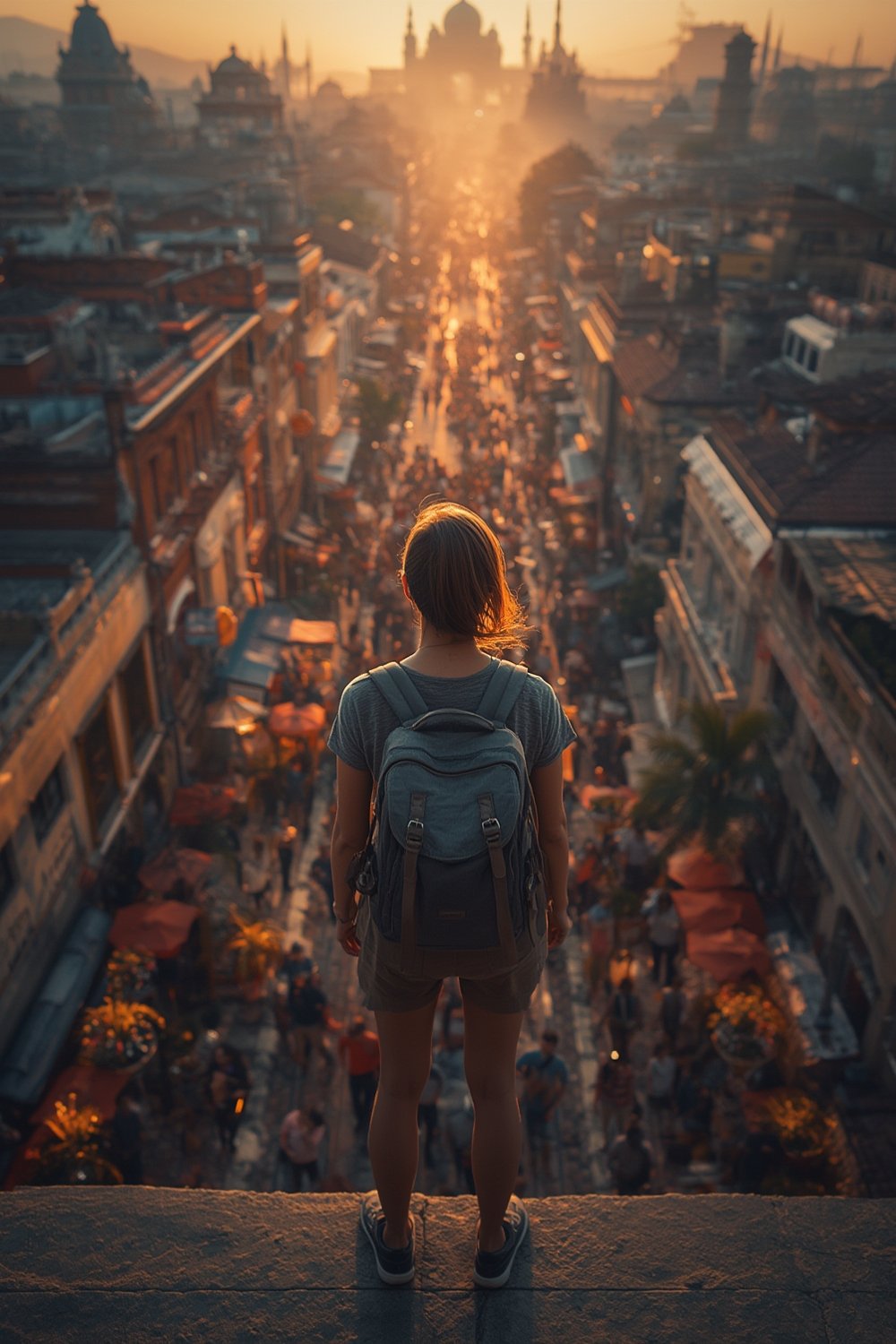
Statistics also show that solo travel risks aren’t only physical; emotional and financial challenges—like loneliness and higher per-person costs—rank high on the complaint list. Despite these realities, more people than ever are embracing solo journeys and finding smart ways to stay safe on the road. The good news: most risks can be managed with awareness and preparation.
How to Travel Solo Safely: Step-by-Step Guide
Staying safe as a solo traveler requires more than common sense. Here’s a realistic, step-by-step approach you can use before and during your solo trip, based on what works for seasoned travelers in 2024:
- Research your destination in depth. Read up on neighborhoods, local scams, and recent news before you book. Use travel forums, Facebook groups, and official safety advisories. For solo women, prioritize accommodations in low-crime, central areas and book at least your first night in advance. For practical tips on hotel room protection, check out how to secure a hotel room door.
- Invest in key safety gear. A lightweight travel security kit (like door alarms, anti-theft bags, and smart self-defense tools) covers basics most travelers overlook. In fact, 30% now use anti-theft backpacks, and more are choosing discreet tech like self defense smart jewelry.
- Avoid walking alone at night—especially in unfamiliar areas. This step, cited by 23% of experienced travelers, remains critical. If nightlife is part of your trip, plan taxis ahead or join trusted group tours. Consider booking solo traveler tours that build both safety and companionship.
- Keep your contacts updated and easy to access. Save local emergency numbers and use hostels or hotels that advertise visible emergency contacts—a feature noted as valuable in safety surveys.
- Don’t skip travel insurance—even for domestic trips. 35% of solo travelers never buy medical insurance, yet unexpected illness or theft are among the top issues reported. Make it a habit, not an afterthought.
- Use location-sharing, safety apps, and alarms. While there weren’t massive new tech breakthroughs in 2024, using a combination of autonomous safety alerts, GPS-linked self-defense (like smart pepper spray with GPS), and a personal safety alarm is the new normal.
- Budget for solo extras. Accept that accommodation and tour costs are usually higher per person; factor this in early to avoid stress on the road. Also, expect some moments of loneliness—bring a book, download shows, and seek familiar routines.
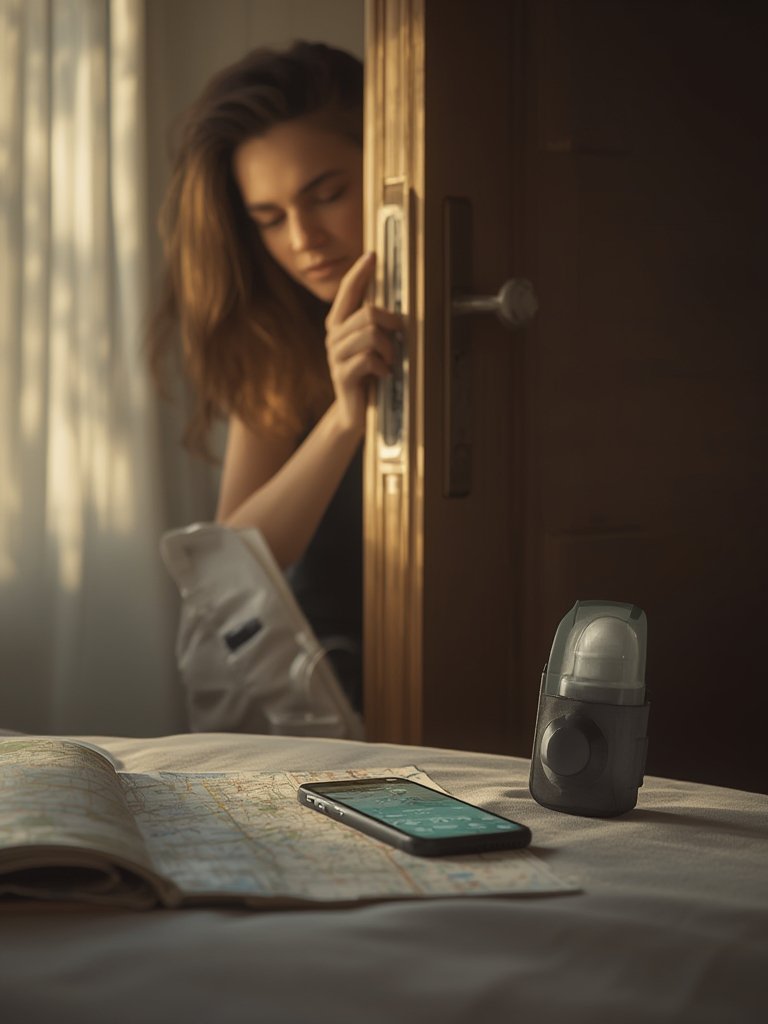
Want a checklist you can print? Try the travel safety checklist for essentials to pack, whether you’re traveling domestically or abroad.
Advanced Analysis & Common Pitfalls
Many guides gloss over the less obvious problems solo travelers face. Here’s what recent research and real-world experience reveal about common mistakes and unexpected hurdles:
- Starting out without a plan. First-time soloists (especially women) report 78% higher anxiety vs. veterans, mostly because of unfamiliarity. Not building a daily route, failing to note transit options, or ignoring late-night logistics can lead to risky situations.
- Overlooking non-physical risks. Loneliness (32%), language barriers (39%), and higher solo costs (65%) are almost as common as safety concerns. Prepare strategies to meet people—like group tours, hostel events, or coworking meetups. Don’t underestimate the difference a basic map or offline translation app can make.
- Underpreparing for emergencies. Only 24% of travelers carry safety items, and just 30% use anti-theft bags. Many don’t save local emergency numbers or read up on what to do if they feel unsafe in hotels or rentals. For Airbnb, review these Airbnb safety tips for guests.
- Not thinking about structural solutions. Most advice focuses on what individuals can do, while 23% of travelers want industry measures—like emergency bunk numbers or visible security features in hostels. Seek out hosts that advertise clear security procedures or offer verified “women only” options.
| Issue | New Solo Travelers | Experienced Solo Travelers |
|---|---|---|
| Safety Concerns | 78% | 59% |
| Loneliness | 36% | 28% |
| Language Problems | 45% | 35% |
| Carries Safety Gear | 21% | 33% |
Travelers also mention missing out on nightlife due to safety fears, having to pay single supplements, and dealing with negative family opinions (reported by 37% of solo travelers). While the overwhelming majority complete trips without major incidents, more “soft risks” make solo travel harder than glossy blogs suggest—and are rarely covered in search results.
Conclusion
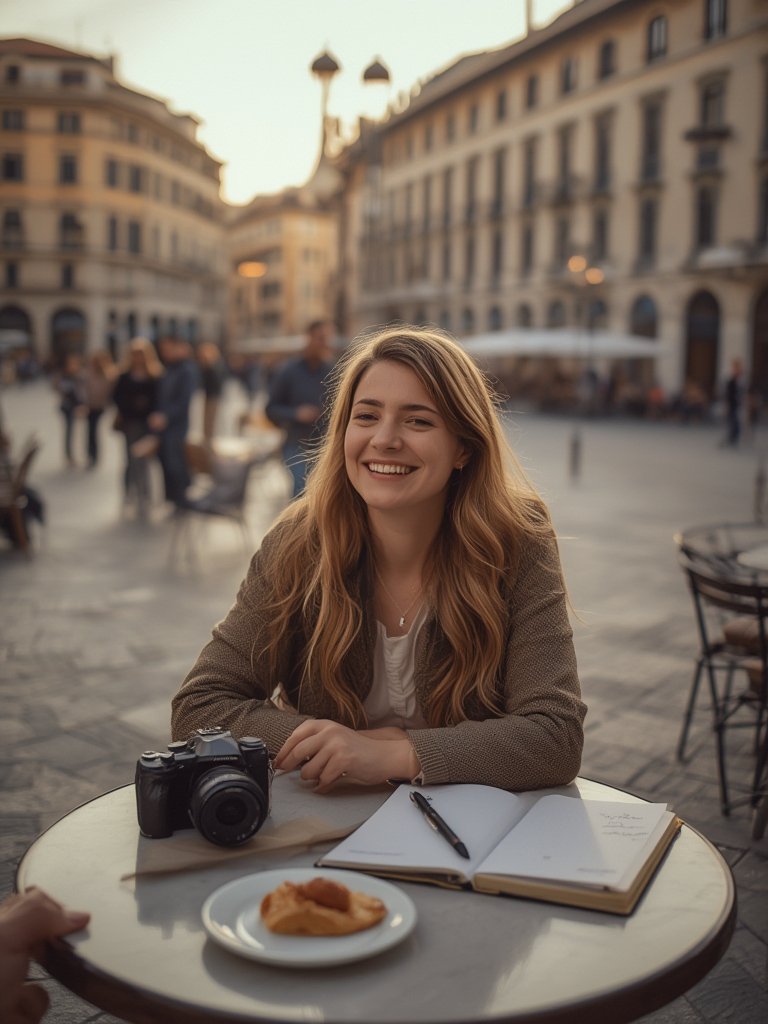
In summary, is it safe to travel solo? Statistically, most solo journeys end well, especially with good preparation. But it’s naïve to ignore real risks—particularly for women and first-time travelers. Success depends on doing your homework, carrying the right gear, using location sharing, and knowing how to act if you feel uncomfortable. Don’t forget to plan for non-physical challenges like loneliness and costs, and push for better safety standards in the travel industry. Ready to take the next step? Download the checklist, invest in your safety gear, and let your solo adventure begin with confidence!
Frequently Asked Questions
Is solo travel safe for women in 2024?
Solo travel is increasingly popular among women. While 70% report safety worries, most trips are incident free when you use common precautions—like sharing your location, using a portable door lock, and avoiding unlit areas at night. Experience lowers anxiety dramatically. For beginner safety gear ideas, see the Solo Female Travel Security Kit.
What safety gear should I bring when traveling solo?
At minimum: an anti-theft bag, portable door lock, personal alarm, and digital location sharing. Tech-savvy travelers are adding smart pepper spray with GPS and inconspicuous safety jewelry. A printed or digital copy of local emergency contacts is also essential.
How do I deal with loneliness on a solo trip?
Loneliness is among the top solo traveler complaints. Combat it by joining group tours, staying in social hostels, using local meet-up apps, or participating in shared activities. Booking structured experiences, such as solo traveler tours, can help you avoid feeling isolated.
Are there new apps or tech that make solo travel safer?
While there aren’t huge new 2024 breakthroughs, using multiple safety apps together is more effective than ever. Popular tools include Agentic AI safety apps for autonomous alerts, real-time location sharing, and hidden camera detector apps. Smart gear like self-defense jewelry is on the rise, especially for solo women.
How can I protect myself in hotels or Airbnbs?
Use a portable door lock, such as those reviewed in the portable door lock guide. Scan for hidden cameras, store valuables in anti-theft bags, and ask for a room on a higher floor but not at the end of a corridor. Always confirm the emergency exit route. For more, see Airbnb safety tips for guests.