
Travel door lock for sliding doors is one of the most overlooked but practical tools for travelers who want real security at hotels, Airbnbs, or short-term rentals. Most hotel balcony doors are surprisingly easy for outsiders—or even staff—to open from the outside or bypass entirely. Here’s why adding a portable security lock or device to sliding doors should be a non-negotiable part of your travel safety kit.
Key Takeaways
- Travel door locks for sliding doors close a critical gap in hotel and rental security left by standard latches and locks.
- Not all solutions fit all sliding doors. Compatibility and correct locking technique matter as much as product quality.
- Most top travel safety guides skip in-depth advice on balcony and sliding door locks—use this guide to stay ahead of those risks.
- The Core Concept: Why Add a Travel Door Lock for Sliding Doors?
- How to Secure a Sliding Door in Hotels or Rentals: Step-by-Step
- Advanced Analysis & Common Pitfalls
- Conclusion
- FAQ
The Core Concept: Why Add a Travel Door Lock for Sliding Doors?
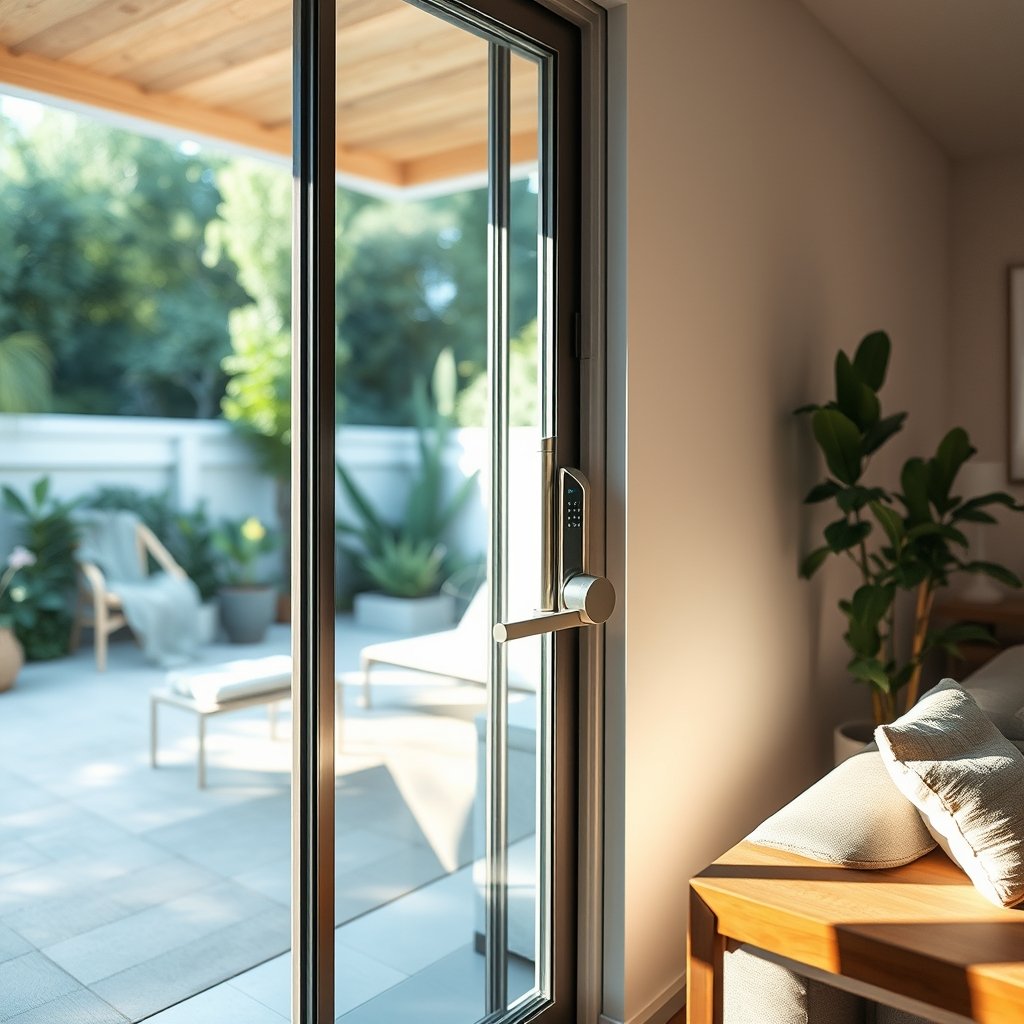
Sliding doors on hotel balconies and patios are weak points in room security. Even if you double check the built-in lock, they are easy to bypass, poorly maintained, and rarely upgraded as security standards improve. Most hotel tip lists mention door and window checks, but very few provide actionable solutions for guests worried about balcony access—where opportunistic intruders or even staff can slip in. By adding a portable travel door lock designed for sliding glass doors or patio sliders, you close this critical security vulnerability.
Why does this matter in 2024? Because burglary numbers remain high in hospitality hubs despite overall property crime going down. One recent report found more than 1.2 million burglaries in the US last year, but there are still almost no published stats about exposures at hotels or short-term rentals. The lack of hotel-specific data is itself a warning sign, leaving these risks almost invisible for travelers.
Traditional travel door locks are mostly built for swing doors, but newer models specifically work on sliding doors and patio glass systems. These are portable, tool-free, and quickly block any attempts to open the door—whether someone has a key or tries to force the latch. If you want the full rundown for hotel room security as well, check out our best portable door lock for travel guide—it covers the essentials for entry doors, including top brands.
How to Secure a Sliding Door in Hotels or Rentals: Step-by-Step
Securing a sliding glass door in unfamiliar accommodations isn’t the same as at home—hotel hardware is standardized, not maximized for guest safety. Here is how to use a travel door lock for sliding doors on the road, even if you’ve never used one before:
- Inspect the existing lock and track. Try the built-in latch. Most hotel sliding doors have basic pin or hook locks, but these are often loose or entirely disengaged. If the lock moves or rattles, it’s not secure.
- Choose the right portable lock. Travel door locks for sliding doors come in different designs:
- Clamp-style Portable Lock: Compact, easy to pack, and tool-free. These clamp onto the sliding track or frame to block movement. Example: portable aluminum clamps—best for wide frames and newer hotel doors.
- Charlie bars: Some “Charlie bars” telescope to fit between the fixed and sliding frame vertically or horizontally. Only use these if your hotel allows repositioning and nothing interferes with the alarm sensors.
- Track stoppers: Simple wedge or stopper models sit inside the lower track (like the classic broomstick method), blocking the door from sliding—even if the latch is bypassed.
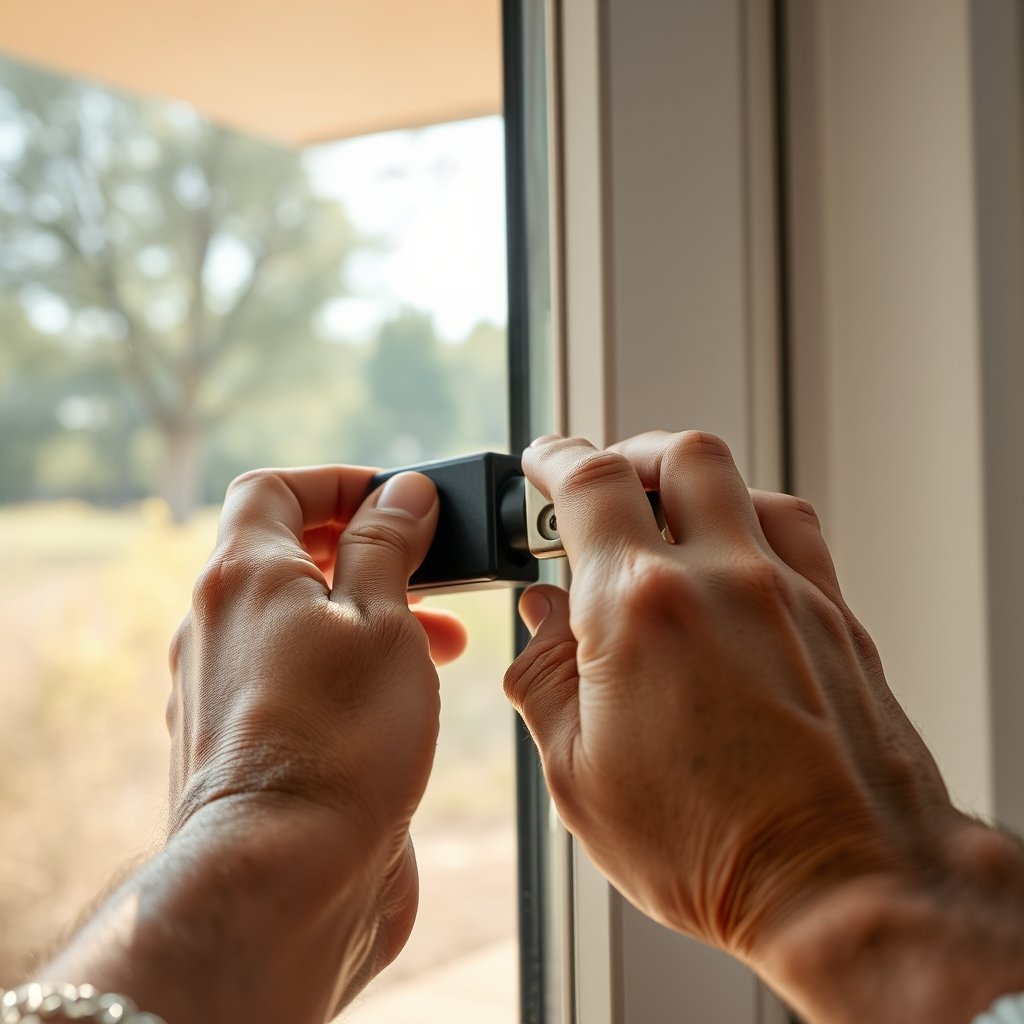
- Install in seconds. Clamp-style locks are quickest: just slide onto the track (details vary, so check the instructions) and close the door firmly until the lock clicks or tightens. For bar or rod models, adjust for a snug fit with no wiggle room.
- Test before relying on it. With the lock installed, attempt to slide the door open from both inside and outside (if you have access). If there’s any movement, reposition or tighten the lock. A loose portable lock offers little extra protection.
- Add an alarm if available. Some locks come with a built-in vibration or open sensor. If yours doesn’t, consider pairing with a portable door alarm for extra deterrence.
- Don’t advertise that you’re inside. Draw curtains or blinds so no one sees which rooms are occupied or when you come and go.
Still wondering how these steps fit into a total security plan? Use our Solo Female Travel Security Kit as a deep-dive on combining locks, alarms, and behavioral safety tips for real-world solo and nomadic travelers.
Advanced Analysis & Common Pitfalls
Portable travel door locks for sliding doors promise peace of mind, but not every solution or hotel is plug-and-play. Here’s what to look out for based on the absence of hard data, real product differences, and technical limitations—the devil is in the compatibility details and usage context.
| Type | Typical Size Range | Installation Method | Compatible Doors | Key Security Limitations |
|---|---|---|---|---|
| Clamp-style Portable Lock | Fits 1.5cm–3cm tracks | Clips onto sliding track or frame; quick tool-free install | Modern glass sliders/patio doors with exposed inside tracks | Won’t fit all European or old-style wooden tracks; can pop off if not tightened well |
| Track Stopper/Wedge | 12–38cm (adjustable rod length) | Placed in bottom rail or track; no hardware | Standard aluminum and vinyl hotel sliders | Can be moved/slipped by a knowledgeable intruder; weak on warped doors |
| Charlie Bar (Horizontal) | Up to 110cm (expands) | Mounted between door and frame; some models require screws* | Homes, some Airbnbs, very few hotels (due to property rules) | Rarely allowed in hotels, not “portable” for real travel |
* – Only consider screw-in bars for long stays or where you have full property permission.
- Limited universal fit: Many portable locks either won’t fit hotel sliding doors (frame too thick/thin, track shape incompatible), or can be easily defeated if not installed precisely. Always check your lock’s minimum and maximum track sizes ahead of time.
- No certified standards: As of 2024, there is no ANSI or TSA certification for portable sliding door locks. You’re relying on manufacturer and online reviews. For fully certified door locks, see TSA approved luggage lock options—but these won’t work for sliding doors.
- Budget vs. premium models: There’s little difference in published security features between cheap and expensive sliding-door locks according to available research. Always check if a higher price really buys more security, or just fancier branding.
- Hotel owner/manager limitations: Some hotels do not permit any physical modifications to doors or windows. If you use a non-marring clamp or wedge, remove it before housekeeping arrives to avoid issues.
- Alarm false sense of security: A loud alarm can scare off opportunists, but determined intruders may ignore or disable them. Use alarms for early warning, not complete security.
If your sliding doors are not secure, double up with a door jammer on the main room entry for full coverage, or consider a window lock for travel if side windows are accessible.
Conclusion
Whether you’re staying in a high-rise hotel, a budget motel, or a short-term rental by the beach, a travel door lock for sliding doors fills a gap left by old locks and inconsistent property standards. The right portable device is quick to install, easy to pack, and provides the psychological security boost modern travelers demand. Don’t wait until a surprise incident or scare—add a travel door lock for sliding doors to your safety kit now for confident, restful stays wherever you go.
Looking for best-in-class recommendations and complete kits? Check out our portable door lock for travel buyer’s guide, or build your all-in-one checklist with our travel safety checklist.
FAQ
Will portable door locks for sliding doors fit any hotel or Airbnb balcony/patio?
Most travel door locks for sliding doors are designed to fit standard aluminum or vinyl tracks, but not all doors are made the same. Always check the product’s minimum and maximum track width before you buy. Some older or high-end properties have thicker wooden tracks or embedded locking rails that won’t work with portable clamps or wedges.
Can I use a Charlie bar as a travel solution in hotels?
Charlie bars offer strong security for home or long-term rentals but are rarely suitable for traditional hotels since they may require screwing hardware into the frame. For travel, stick to clamp-style or wedge-based locks designed for temporary, no-tool installation.
Does a travel door lock for sliding doors replace the need for a door alarm?
No. Portable locks are a physical barrier, while door alarms provide warning and deterrence. For best results, use both—a lock stops entry, and an alarm alerts you if someone tries to force the door open, even if you’re asleep.
Are portable sliding door locks TSA compliant and carry-on safe?
Most basic clamp or wedge locks are TSA carry-on compliant and contain no sharp parts or batteries. However, always confirm with the manufacturer and the latest TSA rules if you have larger rods or bar mechanisms.
What if my travel door lock breaks or doesn’t fit?
Bring a backup solution like a broomstick or order a different size in advance. For total peace of mind, check our door barricade bar for travel and guide to hotel door security for alternative methods.