
door alarm for travel is now considered essential for anyone staying in hotels, Airbnbs, or hostels who wants an extra layer of security while on the road. Travelers increasingly look for portable safety devices that are simple to use, loud enough to deter intruders, and small enough to fit in their bags.
Key Takeaways
- There’s no perfect portable door alarm for travel, but choosing the right one adds significant peace of mind for solo and group travelers alike.
- Installation is typically easy but you must test before your first night – user error is the cause of most problems, not device failure.
- Smart features, airport compliance, and realistic durability are rarely addressed in generic reviews; understanding these gaps can prevent unpleasant surprises on your trip.
- What Is a Door Alarm for Travel and Why Pack One?
- How to Use a Door Alarm for Travel: Step-by-Step Guide
- Advanced Analysis & Common Pitfalls for Portable Door Alarms
- Conclusion
- FAQ: Door Alarm for Travel
What Is a Door Alarm for Travel and Why Pack One?
A door alarm for travel is a compact, battery-operated device that temporarily attaches to your hotel or rental door. When the door opens, it triggers a loud siren to warn you of an intrusion. Demand keeps growing because even reputable accommodations can be targets for theft, entry errors, or worse.
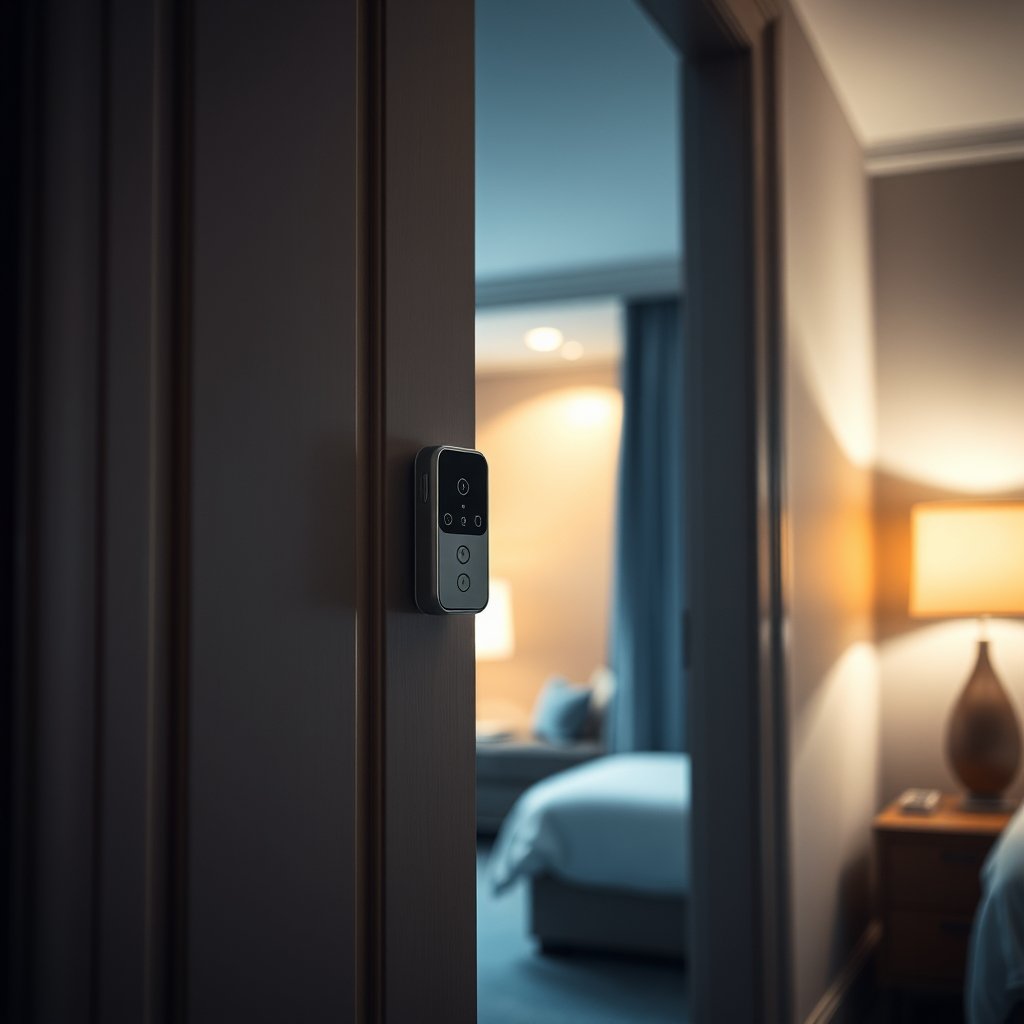
Most travelers use these alarms as a visible deterrent, a practical early warning if someone unexpectedly enters, or both. Unlike built-in hotel locks or deadbolts, you control this physical layer. This is especially relevant for:
- Solo travelers and women traveling alone seeking affordable, portable self-defense tools.
- Guests in budget hotels, hostels, or Airbnbs concerned about staff or shared entries.
- International travelers adjusting for jet lag or unfamiliar room layouts.
Recent research shows a boom in the broader door alarm and smart security market, driven by awareness around personal safety (see source). Although manufacturers highlight ease of install and portability, travelers must weigh limits—like sound volume, device reliability, and compatibility with different doors. For those building a complete travel safety setup, pairing an alarm with a portable door lock for travel or adding a hidden camera detector app increases overall protection.
How to Use a Door Alarm for Travel: Step-by-Step Guide
Setting up your door alarm isn’t difficult, but attention to detail prevents most false alarms and failures. Here is how to get the most out of your device:
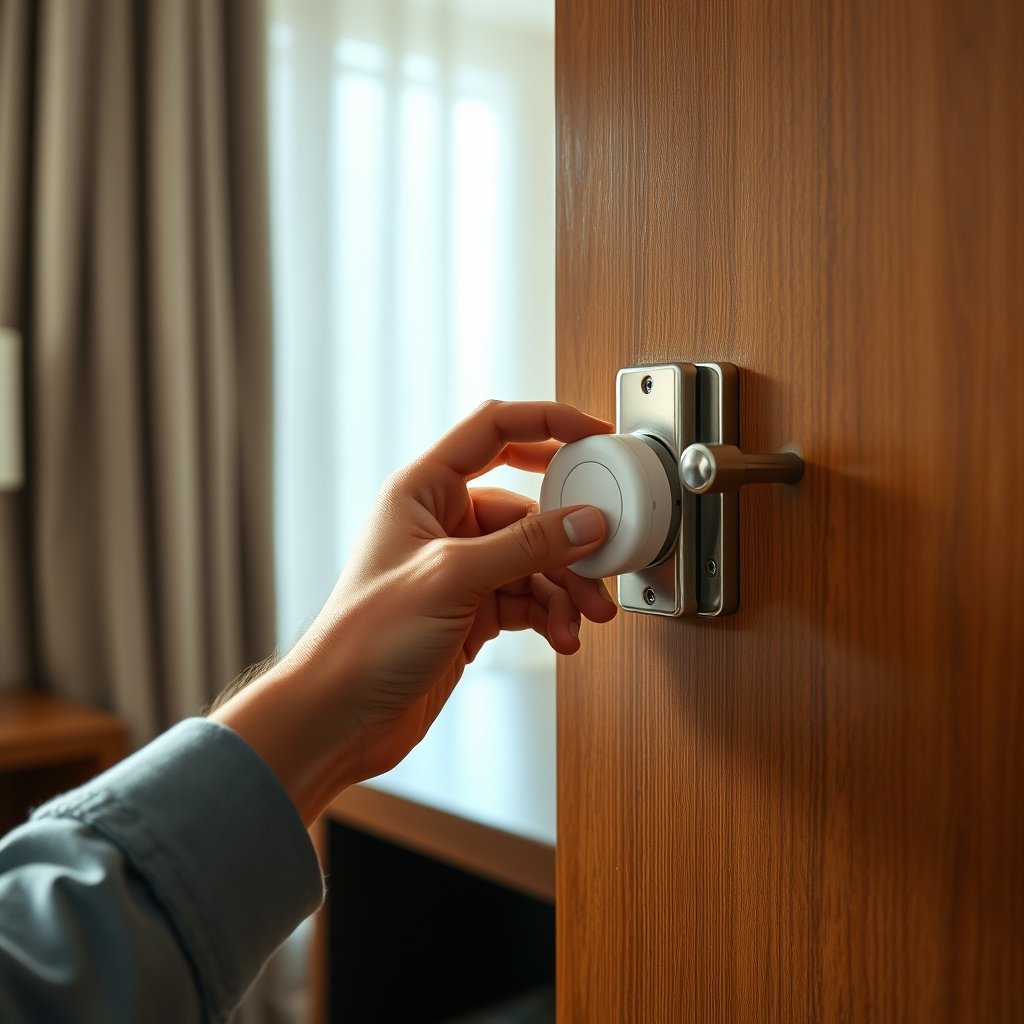
- Pick the right style for your door type: The most common are wedge alarms, sensor strips, and hanging knob models. Check your accommodation photos ahead of time and match the design (hinged, double, sliding, or glass doors).
- Test the batteries at home: Fresh batteries guarantee maximum volume. Alarms with weak power lose up to 40% of their decibel output.
- Practice setup on your own door: Rehearse inserting wedges or attaching clips before your trip so you’ll know what to expect.
- Install after locking all other room locks: Place the alarm inside your door, in alert mode, before bed or when showering.
- Trigger-test the alarm: Open the door slightly to ensure the siren sounds instantly and is loud enough to wake you or attract help.
- Disarm immediately when not in use: Unintended triggers due to movement, loose doors, or cleaning staff are a leading cause of nuisance false alarms.
- Pack the alarm when leaving for daily excursions: Never leave it behind, as it might be mistaken as a permanent fixture or forgotten.
For more travel security essentials, pair your door alarm with gear like a solo female travel security kit or a self defense smart jewelry item to layer your protection without adding weight or bulk. For advanced travelers, learning how to secure a hotel room door with multiple devices can mean the difference between a close call and a real emergency.
Advanced Analysis & Common Pitfalls for Portable Door Alarms
Portable door alarms promise security, but several limitations and common mistakes can cause disappointment or even create new problems.
- Compatibility Issues: Not all alarms fit thick, outswinging, or sliding doors. Some can’t be used at all on glass balcony panels—where specialized locks or bars such as the door barricade bar for travel might work better.
- False Alarms: Cheap wedge alarms may slip on plush carpets or be triggered by heavy hallway doors slamming nearby. Insufficient sensitivity adjustment is a common problem—better brands offer this feature but usually at a higher price point.
- Noise Output: Loudness is often exaggerated in marketing. “120dB” is standard, but actual output may be lower on fresh batteries and drop off sharply as batteries age. Testing at home lets you check real-world volume.
- Battery Life: Most travel alarms run for months of intermittent use, but always check before your trip. If you travel frequently, set a recurring calendar alert to test and replace regularly.
- TSA and Airport Security: The vast majority of simple battery-operated door alarms are TSA compliant (see TSA guidelines), but alarms with built-in lithium batteries, remote monitoring, or wireless modules may attract extra scrutiny or require you to prove the device is a personal-use item. Always pack these in carry-on bags and declare if questioned.
- No Safety Certification: There are currently no recognized independent lab tests or safety certifications for portable travel door alarms. Relying solely on marketing claims is a risk, so supplement with external hotel security checks, use hidden camera detector tools, or upgrade to tech-enhanced alarms as standards evolve.
| Feature | Typical Portable Door Alarm | Reality / Limitation |
|---|---|---|
| Decibel Rating (dB) | Up to 120 dB (claimed) | Measured output may be lower, especially with weak batteries. |
| Portability | Fits in a small pouch or pocket | Wedge models bulkier, not always suitable for purse or slim bags. |
| Battery Life | 30–90 days of standby | No indicator; device may die mid-trip unless checked in advance. |
| Trigger Reliability | Instant on entry | Easily triggered by door movement, but may not react if misaligned. |
| Airport Compliance | TSA/CATSA allowed | Complex models (with WiFi, lithium packs) may raise questions or be restricted. |
| Certification | None listed | No independent US/EU safety or performance standard available. |
Growth in the connected home and personal security sector (see market report) means future devices will likely add features like smartphone alerts or AI-based threat detection, similar to innovations in smart door lock markets (see global report). Until then, understanding these pitfalls—and knowing what your alarm can and cannot do—is the only real defense against disappointment.
Conclusion
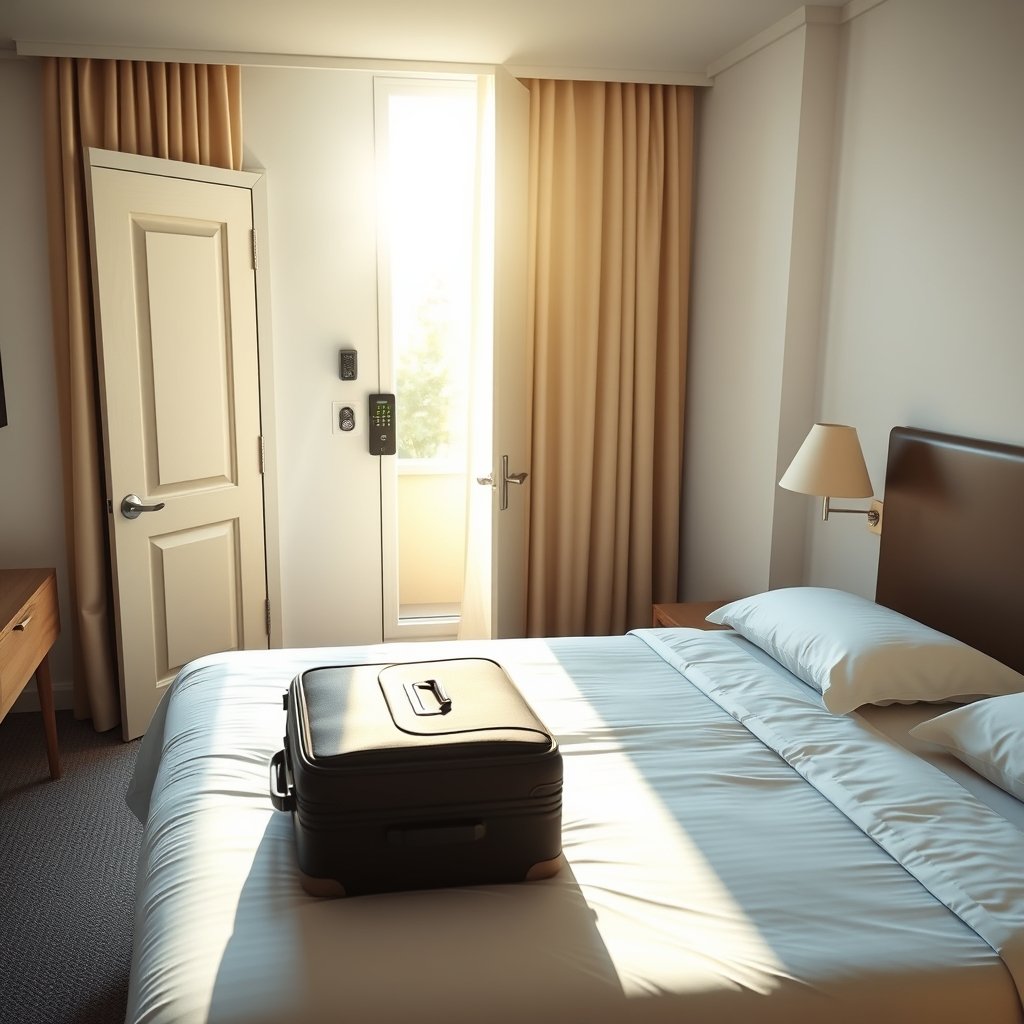
Portable security devices are not miracle solutions, but a door alarm for travel is one of the best “ounce of prevention” tools for hotel, Airbnb, or hostel stays. Real threats—like unwanted entry, key mix-ups, or opportunistic theft—may never happen, but the peace of mind these alarms offer is worth the effort. For a truly secure trip, combine your door alarm with a TRAVEL DOOR LOCK or a comprehensive travel safety checklist. Take ten minutes to test your alarm at home, be realistic about its limits, and don’t get caught off guard by missing batteries or noncompliant door styles.
Ready to boost your travel safety? Buy a reputable door alarm, test it before you go, and always back up your security plan with layers tailored to your destination.
FAQ: Door Alarm for Travel
Will a door alarm for travel fit any hotel or Airbnb door?
Most wedge or sensor-strip alarm designs work on standard inward-swinging hotel or guesthouse doors. They may not fit older, double, or glass sliding models. Always check photos or contact your host in advance if in doubt, or pack a versatile portable door lock as a backup.
Can I bring a door alarm for travel through airport security?
Yes. TSA and CATSA generally allow simple, battery-powered door alarms in carry-on and checked bags. More advanced units with WiFi or integrated lithium batteries could be flagged for special screening or inspection. Always pack alarms in your carry-on and prepare to explain the device’s function if asked.
How loud are travel door alarms in reality?
Most advertise 100-120 dB—enough to shock most intruders and alert the whole hallway. However, measured output depends on battery freshness and the device’s design. For extra assurance, test your device at home or opt for personal alarms such as those covered in best personal safety alarm for women research.
How do I avoid false alarms?
Test the alarm for your specific door before you go to sleep. Place on a stable surface, avoid drafty doors, and activate only when you’re inside for the night. Many false alarms are caused by cleaner entry or loose fitting—using a folded towel or cloth can help, as described above.
Do travel door alarms require maintenance?
Yes. Replace batteries regularly—at least before each major trip. Clean the device if dusty or sticky. Check for corrosion or broken sensors especially if stored for months. Regular inspection will help you avoid disappointment when you need it most.