

DoorJammer vs BuddyLock which is better? If you need a portable security device to reinforce your hotel, Airbnb, or home door, choosing the right product matters—not just for peace of mind but for real-world protection. This guide delivers an objective, hands-on analysis of DoorJammer and the BuddyBar (often compared with BuddyLock) using current data, real user experiences, and actionable steps.
Key Takeaways
- BuddyBar is extremely durable and favored for permanent or heavy-duty home use; however, its weight makes it less practical for travel.
- DoorJammer is portable and packs easily, but has clearance limitations that restrict use on many exterior doors or doors with sweeps.
- Neither device replaces a strong lock or fixes weak door frames; for comprehensive security, combine them with other hotel room security measures.
- What Makes DoorJammer and BuddyLock Different?
- How to Use and Choose Between Them: Step-by-Step
- Advanced Analysis & Common Pitfalls
- Conclusion
- FAQ: DoorJammer vs BuddyLock (BuddyBar)
What Makes DoorJammer and BuddyLock Different?
Both DoorJammer and BuddyBar (BuddyLock) aim to stop unwanted entry by reinforcing the door against forced opening. The main difference is in how and where they work best. BuddyBar is a heavy-duty security bar designed for home use, while DoorJammer is a compact, travel-friendly device suited for temporary setups like hotel rooms or rental properties.
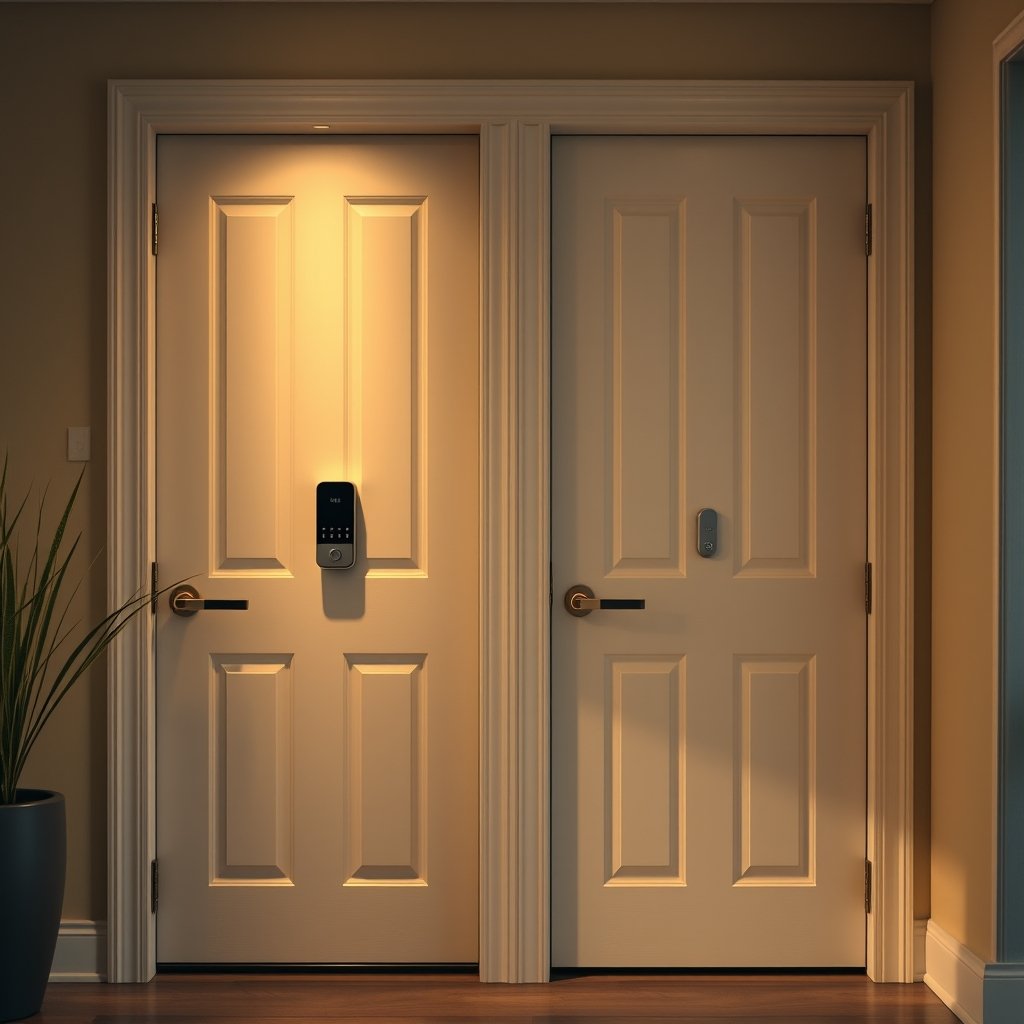
Why does this distinction matter? While both devices can slow or deter a potential intruder, their compatibility, installation process, and effectiveness change based on where and how you use them:
- DoorJammer is portable, ideal for frequent travelers, and fits in a carry-on. However, it needs at least 0.25 to 0.5 inches of door clearance and struggles with doors that have thick sweeps or weather strips. Source
- BuddyBar is robust, offers consistent protection (endured over 22 real-world forced entry tests), but weighs nearly 8 pounds and is bulky to transport. Source
The essential idea: match the tool to your setting and needs. The wrong choice can mean little to no extra protection if the device simply won’t fit your door.
How to Use and Choose Between Them: Step-by-Step
Maximizing your door’s resistance to break-ins is about more than just buying a product—you have to ensure it fits and works in your unique environment. Here’s a practical process to follow:
- Identify Your Door Type and Setting.
- If you’re securing a hotel room or Airbnb, focus on portability. For homes or long-term rentals, prioritize durability.
- Measure Door Clearance and Hardware.
- Check for at least 0.25 to 0.5 inches clearance for DoorJammer. BuddyBar can be used on most standard doors, but needs a strong knob and solid door material.
- Review TSA or Airline Compliance.
- Current data does not confirm TSA compliance for either device. For air travel, always double-check before packing. See this portable door lock travel guide for current policies.
- Install the Device.
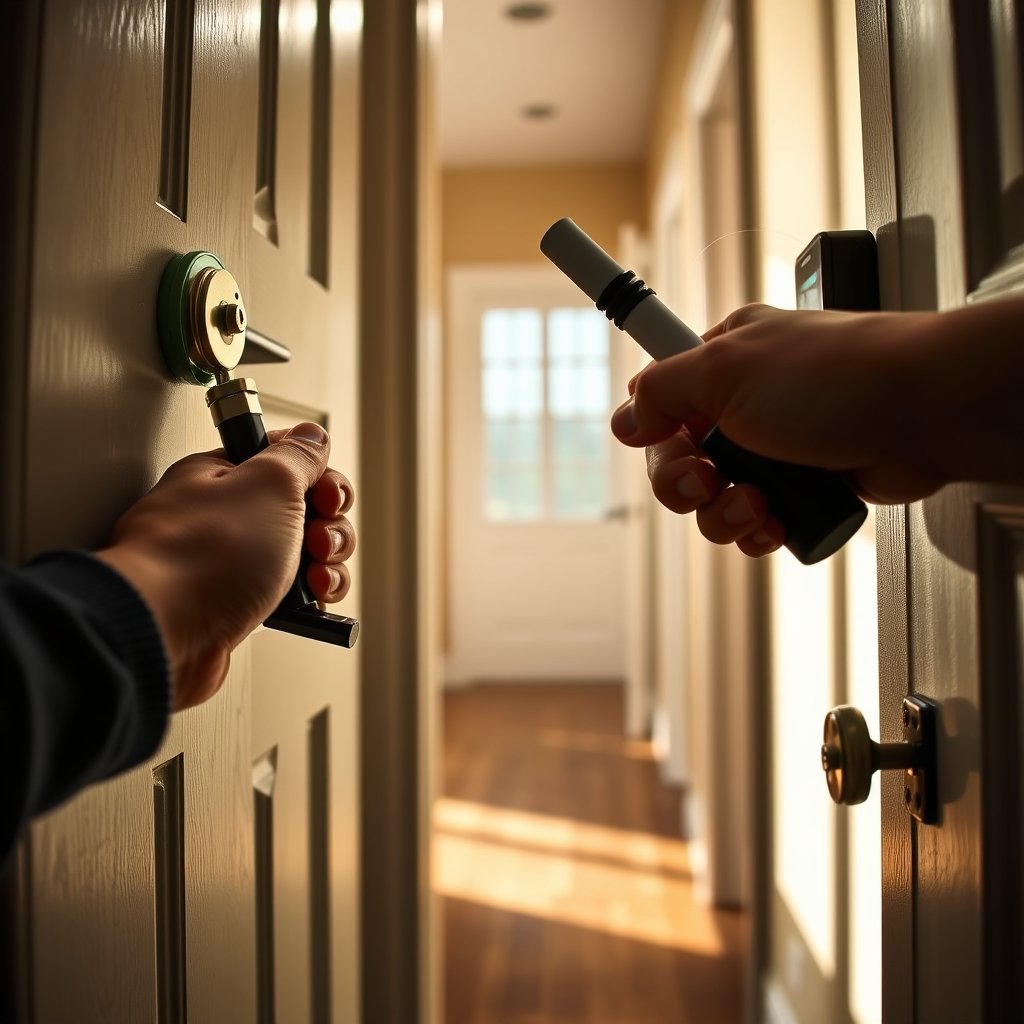
- For DoorJammer: Slide the device under the door, ensuring the foot is stable on hard flooring. Tighten as needed.
- For BuddyBar: Adjust the bar to length, wedge under the doorknob, and ensure the rubber base is flush with the floor.
- Test by Pushing the Door Gently.
- A correctly installed device shouldn’t slip or move under hand-level force. Real-world tests show BuddyBar holds under repeated impact; DoorJammer resists forced entry if installed properly on compatible doors.
- Pair with Other Security Solutions.
- Neither device is perfect alone. Combine with a privacy scanner or a personal safety keychain for complete peace of mind.
If you’re equipping a safety kit for solo female travel, check out this hotel and travel kit guide for related tools to pair with your door jammer or bar.
Advanced Analysis & Common Pitfalls
Both products can provide a major security upgrade—but each has drawbacks you can’t ignore. Here’s an in-depth look at performance, compatibility, installation, force resistance, and durability, plus a clear side-by-side comparison:
| Feature | DoorJammer | BuddyBar (BuddyLock) |
|---|---|---|
| Portability | High (fits in a backpack) | Low (7 lbs 12 oz; long bar) |
| Ease of Install | 1 minute or less | 1-2 minutes, more floor space needed |
| Force Resistance | Likely 300 lbs or more (model-dependent) | Tested in real world, 22 passes, excellent reviews |
| Door Compatibility | Requires 0.25-0.5 in. clearance, best on interior doors | Most standard doors with solid knob (not knobless/levers) |
| Travel Friendliness | Excellent | Not practical |
| Works With Weatherstripping/ Door Sweeps | Usually NOT (source: Bob Vila) | Yes if enough gap above baseboard |
| Police/Expert Endorsement | No explicit reports | Yes, police officers recommend [source] |
| Price Point | Inexpensive (exact price varies) | Premium (exact price varies) |
- Common Pitfall #1: Clearance mismatch. If your hotel or rental door is low-slung or has a thick sweep, DoorJammer simply won’t fit. Always check before traveling.
- Common Pitfall #2: Weight and Portability. BuddyBar is effective at home but adds serious weight to luggage. If you need ultra-light travel gear, it’s not the choice.
- Common Pitfall #3: False Sense of Security. These devices do not reinforce the frame or stop an aggressive entry with heavy tools. Combine them with visible deterrents or alarms. See more in our guide to Airbnb safety for travelers.
- Common Pitfall #4: No Outward Opening Door Support. Both devices work only for standard inward-swing doors, not for balcony doors or outward-opening exits. For these, see our sliding door lock guide.
- Common Pitfall #5: Unverified TSA Guidance. Since TSA rules change, always triple-check before flying with metal security bars. Refer to the latest TSA lock guide.

Conclusion
Choosing between DoorJammer and BuddyBar means weighing portability against maximum strength. If you travel often and need something that fits almost anywhere, DoorJammer is the clear winner—but check your door clearance first. For home security or extended stays where you do not mind extra weight, BuddyBar’s proven reliability and expert endorsements give it an edge.
Ultimately, DoorJammer vs BuddyLock which is better depends on your door type, your travel habits, and your willingness to blend different security tools. For total coverage, add a portable jammer to your existing locks and always reinforce with smart alerts or alarms.
Take action: Don’t let uncertainty leave you exposed. Use this guide, measure your doors, and pick the product that fits your real-life security needs today.
FAQ: DoorJammer vs BuddyLock (BuddyBar)
Can DoorJammer be used on all hotel doors?
No. DoorJammer requires at least 0.25 to 0.5 inches of clearance below the door. Many hotel doors with thick weatherstripping or door sweeps may not allow installation. Check for door clearance before you go.
Is BuddyBar portable enough for air travel or carry-on luggage?
Not really. BuddyBar weighs nearly 8 pounds and is fairly long. It’s designed more for permanent or semi-permanent home use. Travelers usually find it too bulky for air travel.
Are either DoorJammer or BuddyBar TSA approved?
There’s no official TSA guidance on these devices. Travelers have used DoorJammer without trouble, but rules can shift quickly. Always check updated TSA regulations or ask your airline before flying. For more info, see our TSA-approved luggage lock guide.
How much force can each device withstand?
Figures vary: some DoorJammer models claim up to 300 pounds resistance; one unnamed bar is rated for over 2,500 pounds. BuddyBar has survived over 22 real-world entry tests with no slippage, according to a police officer review. For sources, see this review and this video.
Do these devices replace regular locks?
No. Think of them as strong deterrents, not absolute replacements. You should always use them together with a quality deadbolt and, if possible, a proactive alarm. Explore our guide to door barricade bars for a complete layered approach.