
How to stay safe on public transport abroad is a real concern for travelers facing new cities, crowded metro lines, and the anxiety of not knowing what “safe” actually looks like in different countries. Instead of vague warnings, this guide delivers direct actions, city-specific hotspots, and the three overlooked safety gaps most other guides ignore.
Key Takeaways
- Pickpocketing is by far the most common transit crime, especially for tourists, with hotspots like Paris, Rome, Barcelona, and Madrid requiring extra vigilance.
- Mode-specific tactics and route awareness are critical—simple routine changes like bag placement, phone invisibility, and knowing where to stand make a big difference.
- Most travel guides miss real-time incident feeds, emergency response uncertainty for non-locals, and differences in passenger protection—this post covers immediate steps to fill those gaps.
- Quick snapshot — Is public transport abroad riskier than you think?
- What travelers actually fear — top complaints from forums and reviews
- City hot‑spots — where to be most alert (metro/tram/bus)
- Mode-specific rules — metro safety travel (what to do on subways)
- Mode-specific rules — bus & regional trains (what changes on longer rides)
- Common scams on public transport — how they work and how to spot them
- Three critical gaps most guides miss (and how to use them to stay safer)
- How safety standards and emergency protocols actually differ worldwide
- Extra-cost services and safety-enhancing options to consider
- A 60‑second safety checklist to use before every trip on public transport
- Short FAQs — quick answers to the most common nervous-traveler questions
- Sources, tools, and apps to monitor safety in real time
Quick snapshot — Is public transport abroad riskier than you think?
Fear of violence on public transport often overshadows the real risks. In reality, for tourists, pickpocketing is the dominant crime type, not assault. Research summary 2023–2024 points to Paris as the world’s top pickpocket hotspot, especially on the Métro and lines to Charles de Gaulle airport. Rome, Barcelona, and Madrid also stand out, with theft frequently reported in crowded stations and busy tourist corridors. While comprehensive global public transport safety travel datasets are lacking, official statistics and traveler reports agree: opportunistic theft, not violent crime, is your main concern.
What travelers actually fear — top complaints from forums and reviews
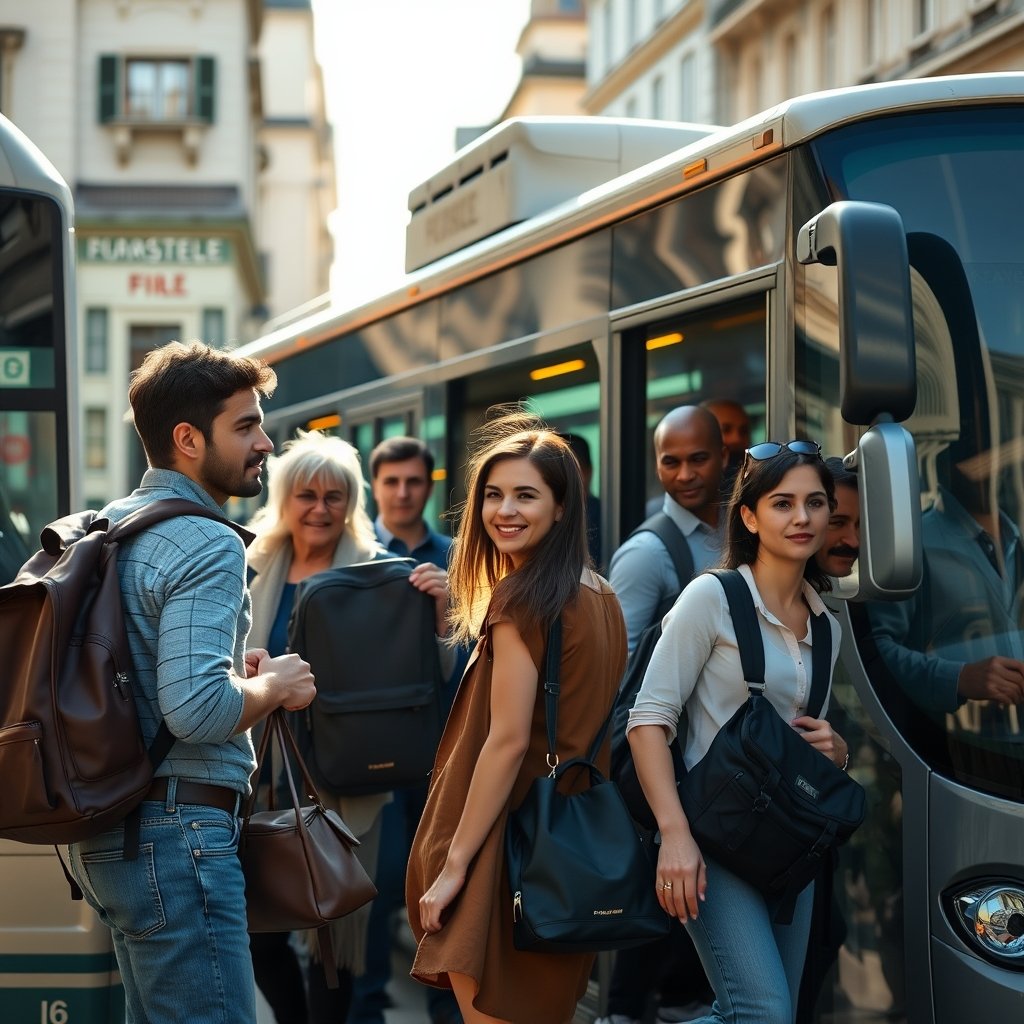
Forum scans and real-life reviews reveal what makes people nervous:
- Pickpocketing: Bags cut, phones vanished, wallets snatched—most stories trace back to crowded trains and buses.
- Overcrowding: Shoulder-to-shoulder boarding makes it easy to get bumped, distracted, and robbed.
- Distraction scams: Someone asks for help, something is spilled, or a push at the door—then valuables are gone.
- Feeling targeted: Tourists with suitcases or city maps share stories of being sized up in metro stations or bus stops.
- Route confusion or wrong stop: Unclear or poorly marked lines create extra stress, sometimes causing risky reroutes or hesitation that draws attention.
“A man bumped into me as the train doors opened, blocking my way—my phone was gone before I even realized.”
Research summary 2023–2024 confirms that most online complaints focus on pickpocketing, bag snatching, phone theft, crowd-based tricks, and the discomfort of clearly standing out as a tourist. Issues like scam offers and overcharging in big stations are often mentioned alongside.
For more detailed tips on commuter safety abroad, see our guide on safety on public transport.
City hot‑spots — where to be most alert (metro/tram/bus)
Not all routes are equal—and some cities and lines demand extra vigilance. Research summary 2023–2024 highlights particular trouble spots for pickpocket prevention public transport:
- Paris: Métro lines 1, 2, and 4, especially at tourist nodes (Châtelet, Gare du Nord, and routes to Charles de Gaulle); thefts on RER B are frequent.
- Barcelona: Metro line 3 (Liceu, Catalunya), tourist trams, and the Aerobus from airport to city center. Barcelona’s metro and Ramblas corridor are notorious for fast-moving pickpocket teams.
- Rome: Metro Line A at Termini and Vatican stops; trams 8 and 19. Commuter trains to Fiumicino airport also see high theft rates.
- Madrid: Metro lines 1 and 10, Sol and Gran Vía stations, Cercanías regional trains from Atocha.
- Lisbon & Porto: Classic trams (e.g., #28 in Lisbon, often packed with tourists), and major stations. The U.S. travel advisory lists tram theft as a specific concern.
Common themes: airport links, central hubs, and tourist-heavy lines are always higher risk. Even if violent incidents are rare, theft is persistent in these environments—especially during rush hour and peak season. For a broader breakdown, the research summary lists the most pickpocket-prone cities in Europe.
Want to avoid saturation-theft corridors altogether? Find route tips in our solo female travel safety tips.
Mode-specific rules — metro safety travel (what to do on subways)
Staying safe on subways starts before you board. Here are evidence-driven metro safety travel routines (adapt for every city):
- Boarding: Let crowds board first; avoid lines forming near doors. Stand with your back to a wall or solid surface when possible.
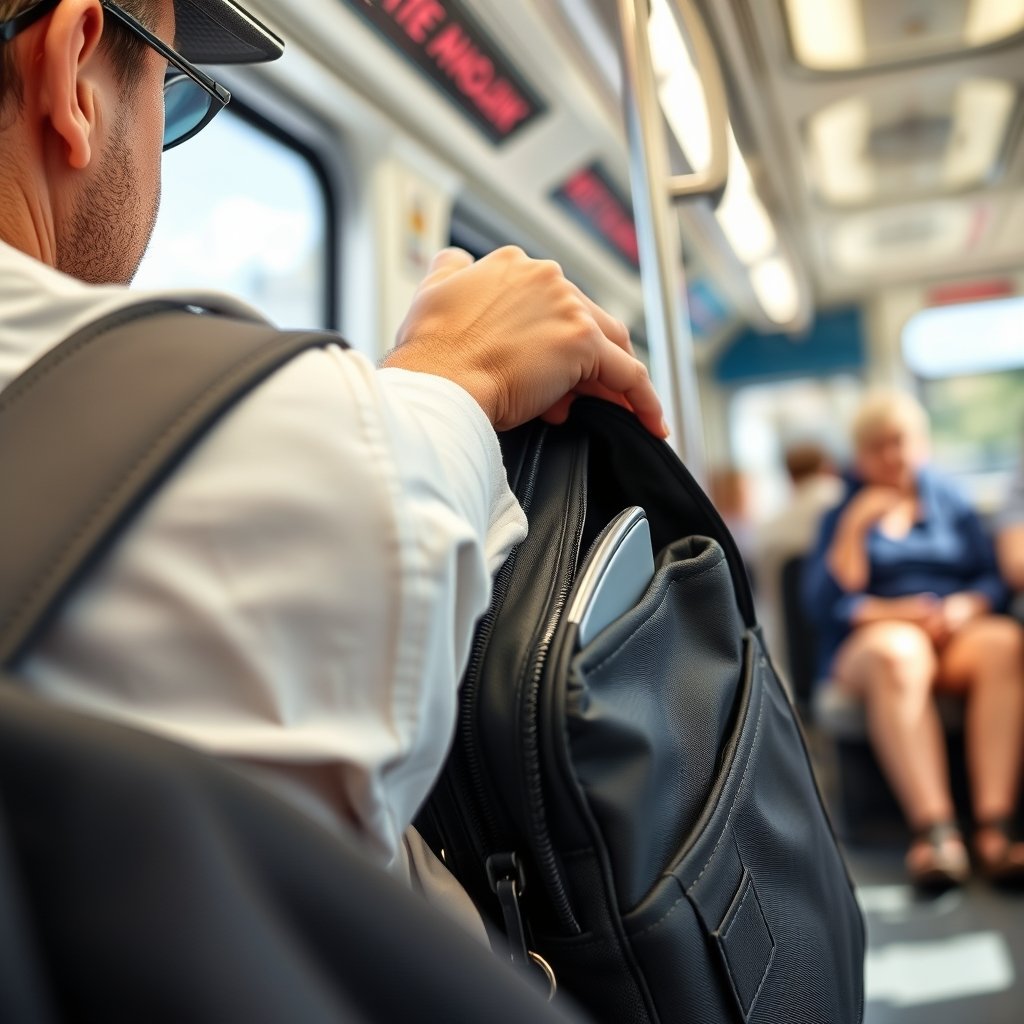
- Bag position: Wear your bag, purse, or daypack on your front with zippers inward. anti-theft travel backpacks (see our anti-theft backpack guide) or zipped inner pockets are best.
- Phone & wallet: Never use your phone or wallet while boarding or standing near exits. In busy metros, thieves wait for distraction, then escape on closing doors (research summary 2023–2024).
- Look out for: Sudden commotions, people blocking doors, someone “helping” with your bag, or pushing right before departure. These are classic pickpocket setups.
- Tactic: Don’t hesitate to say “No thank you” (even abruptly) to anyone overly helpful, insistent, or physical in a crowd.
- Preferred carriage: Stand in the center of the carriage, away from both doors and large groups, if possible.
- Don’t: Hang bags loosely or leave phone exposed; don’t assume daytime is always safer—tourist lines are prime targets even at noon.
Authorities and travel guidance repeat: keep valuables secured and avoid handling phones or wallets in crowded areas. Consider a personal safety alarm or keychain for self defense for extra peace of mind on public transit.
Mode-specific rules — bus & regional trains (what changes on longer rides)
On buses and regional trains, commuter safety abroad requires adapting your habits for longer stints, less crowding, and more exposure:
- Bag location: Always keep your bag on your lap or between your feet, never in overhead racks unless locked.
- Luggage: Secure rolling luggage with a lock and keep it in sight—attach a brightly colored tag for easy ID.
- Tickets: Double-check you have a valid ticket before boarding and be ready for spot checks (ticket scams and fine traps are common).
- Sleeping: Do not sleep with valuables accessible—never under your seat or in easy reach of aisle walkers.
- Boarding/exit: Wait for the bulk of passengers to get off before standing up, so you’re not distracted while gathering your belongings.
Research summary 2023–2024 confirms: keeping bags in physical contact (lap or feet) is optimal, and sleeping on public transport poses an elevated theft risk unless traveling with trusted companions. For added protection, see our guide to preventing luggage theft.
Common scams on public transport — how they work and how to spot them
Public transport safety travel is not just about theft—it’s also about scams designed to confuse or overcharge. Here are recurring tactics (2023–2024 research):
- Distraction theft: One person distracts you (drops coins, spills something, asks for help); their partner grabs your valuables.
- Fake helpers/officials: Someone offers to help with a ticket machine or luggage, demanding a tip or making off with your items.
- Ticket/fare fraud: Scammers at ticket counters sell unusable or overpriced passes; others pose as inspectors and demand on-the-spot fines.
- Staged altercations: A “fight” breaks out nearby, or a couple argues, pulling attention while a third party steals from you.
- Overcharging/unofficial taxis: Especially near tourist stations, unauthorized taxis or shuttle offers pop up—never accept rides from unlicensed vendors.
Scams are repeatedly reported in tourist-heavy metros like Paris, Rome, Barcelona, Lisbon, Amsterdam, Athens, Bangkok, and Berlin (research summary 2023–2024). For more on responsive defense against distraction scams, check our tips on solo travel safety for men and the latest anti-theft backpacks.
Three critical gaps most guides miss (and how to use them to stay safer)
- Real-time incident reporting & route transparency: Most guides never mention finding local reporting feeds, route-specific crime alerts, or “live” social channels. Action: Before riding, search for your city’s police or transit operator feed (e.g., “@TMBinfo” for Barcelona) and set up keyword alerts. Use public posts or app notifications to reroute fast if a hotspot appears ahead.
- Emergency readiness for non-locals: Guides miss how confusing alarms can be if you don’t speak the language—and not all transport has clear multilingual signage or evacuation instructions. Action: Carry a screenshot of emergency phrases and know where the help point/intercom is located near your platform or carriage.
- Passenger-protection systems: Refund policies, theft insurance, and the process for reporting incidents differ city by city. Many guides never cover this. Action: Before your trip, look up how to file a report (police, transit operator, or both), what documentation you’ll need, and which agency offers compensation if something goes wrong. Carry backup photos of all tickets and valuables.
These gaps matter: research summary 2023–2024 found real-time reporting quality, emergency readiness for foreigners, and passenger protection standards are rarely addressed in most safety blogs. For a step-by-step approach, check out our travel safety checklist for pre-trip prep.
How safety standards and emergency protocols actually differ worldwide
If you expect the same standards everywhere, you could be out of luck. Across Europe, North America, and Asia, there are wide differences in safety measures and incident response:
| System Type | Surveillance & Staff | Emergency Info | Incident Reporting | Compensation/Support |
|---|---|---|---|---|
| Western European Metro (e.g., Paris, Berlin) | High CCTV, moderate staff presence in major stations | Signage often multilingual, help desks at big hubs | Formal complaint desk plus police reporting | Ticket refund possible, clear theft reporting but slow insurance processes |
| U.S. City Rail (e.g., New York MTA) | Variable CCTV, police visible but staff focused on ticketing | Emergency info mainly in English, spotty signage in other languages | Operator incident hotline, rely mostly on NYPD for theft/assault | Minimal passenger compensation, public liability rules apply |
| Southeast Asian Urban Rail (e.g., Bangkok) | High staff at gates, less CCTV, security focus on fare integrity | English signage placed at key points | Operator responds, incident forms at office, police for theft | Some insurance with premium tickets, usually little direct compensation |
Major systems differ substantially in coverage for surveillance, staff visibility, complaint mechanisms, and compensation rules (research summary 2023–2024).
For standards specific to hotels and hostels, see our deep dive on European hotel security.
Extra-cost services and safety-enhancing options to consider
Some cities and networks offer opt-in safety features, usually for a modest extra fee:
- Women-only cars/sections: Available on some metro lines in Paris, Tokyo, Delhi, and certain European cities. They’re usually marked and may only be available during peak hours.
- Tourist transit passes: Some include travel insurance, coverage for accidental injury/theft, or direct access to staffed assistance hotlines.
- Staffed airport transfers/premium shuttles: These reduce crowd exposure and give clear help points, but cost more than standard buses/trains.
Quick tip: If you’re carrying valuables or arriving late at night, booking one premium transfer can be worth the cost. For affordable gear upgrades that boost peace of mind on public transport safety travel, check out the best travel safety gadgets under $30.
A 60‑second safety checklist to use before every trip on public transport
- Backup docs: Keep digital copies of passport, important cards, and tickets on your phone/cloud.
- Split cash/cards: Don’t keep all cash or cards in one place. Use inside zipped pockets or a money belt.
- Bag check: Lock zippers, keep your bag in front, and use a wrist strap for your phone.
- Phone invisibility: Avoid using your phone when boarding, near exits, or in crowds.
- Emergency contacts: Save local emergency numbers and quick access phrases in your language and the destination’s.
- Scan the carriage: Look for CCTV, staff, and emergency signs as you enter. Note the help point location.
- Trust your gut: If a route, station, or group makes you uneasy, wait for the next train/bus or choose an alternate route.
Authorities and experts agree: using zipped inner pockets or anti-theft bags and keeping wallets/phones hidden during crowded boarding is the best practice. For full travel safety kit ideas, explore the solo female travel security kit.
Short FAQs — quick answers to the most common nervous-traveler questions
Is it actually safer to take taxis instead of buses or metros abroad?
Not always. While taxis may avoid some theft risks, they introduce others—like overcharging, unlicensed drivers, and rare but serious ride-related scams. In well-regulated cities, official taxis from dedicated stands are generally reliable, but avoid hailing unmarked cabs. Buses and metros tend to be safer when you follow basic pickpocket prevention routines.
How do I report a theft or incident on public transport if I’m a visitor?
In most tourist cities, report theft to both local police and the transport operator. Use station help desks or emergency intercoms when available. Take photos of ticket numbers, incident description, and location. In some countries, you’ll need a police report to claim insurance or refunds. The process can be slow, so be persistent and bring a translation app if needed.
Should I buy travel insurance specifically for transit theft?
Yes, especially for longer or multi-city trips. Many regular travel insurance policies cover theft on public transit, but check coverage specifics—some require original tickets, reports, or police documentation for a claim. In high-risk cities, insurance provides valuable peace of mind and compensation if things go wrong.
What if I need help but don’t speak the local language?
Scan or screenshot key emergency phrases (“Help! I am lost/robbed”, “Is there a help desk?”) in both English and the local language before you travel. Use a translation app for real-time help, and look for universal icons for staff, emergency phones, or exits. Large stations in Europe and Asia often have multilingual staff, but smaller stops may not.
Can a money belt or anti-theft bag really make a difference?
Absolutely. Authorities and experienced travelers agree that split storage (money belt under clothes, anti-theft bag for daily use) drastically reduces successful theft. Choose gear with lockable zips, cut-resistant straps, and hidden compartments, such as those reviewed in our anti-theft bag guide.
Sources, tools, and apps to monitor safety in real time
Monitor local safety and get alerts before boarding by using these resources:
- Official transit safety pages: E.g., TMB Barcelona, RATP Paris, ATM Milan. Check for real-time incident updates before departure.
- Local police alert feeds: On Twitter or Telegram, cities often post alerts about pickpocketing or suspicious activity in real time. Search your city plus “police alert”.
- Community reporting apps: Apps like Citizen (in U.S.), Moovit (global), and Citymapper often include unofficial incident reports or crowd notifications.
- Anti-theft gear sellers: Only buy from reputable brands for RFID wallets, travel locks, alarms—see our reviews on best travel safety products.
There is no single authoritative global ranking for transit scam rates, so always verify information by cross-checking local official sources and recent traveler reviews. For privacy in rentals or hostels, see our guide to hidden camera detector apps.
Conclusion
Staying alert on public transit is less about fear and more about smart habits. Know your city’s hotspots, use anti-theft gear, remain situationally aware, and plug the safety gaps most guides skip. If you focus on these tactics, you’ll quickly master how to stay safe on public transport abroad even on your first trip. Ready to travel confidently? Download our pre-trip safety checklist, and don’t hesitate to share your own safety tips with fellow travelers.