
Best door alarm for hotel room security is a practical must-have in 2024 for travelers like Emma who want lightweight, TSA-friendly, and reliable protection—without damaging hotel property or adding stress at check-in. But choosing the right device comes down to real-world usability, not hype or outdated statistics.
Key Takeaways
- Travelers should prioritize alarm volume, easy setup, battery life, and hotel-friendly (non-damaging) designs.
- There’s no reliable 2024 data on hotel break-ins or alarm effectiveness—rely on aggregated reviews and hands-on testing instead.
- Always check TSA battery rules and your specific hotel’s policy before bringing or using any travel door alarm device.
- Quick guide — choose the right alarm for your travel profile
- Why reliable 2024 incident statistics are scarce — and what that means for buyers
- What technical features matter most for hotel-room alarms (and why)
- Real criticisms and frustrations from hotel alarm reviews — what to avoid
- Price brackets in 2024 — what buyers typically get at each level
- Side-by-side comparison — door knob alarms vs door sensor travel devices vs portable wedge alarms
- Regulatory and hotel policy considerations for travelers (TSA, airlines, hotels, international customs)
- How to test and deploy a hotel door alarm safely — step-by-step
- Maintenance, battery tips, and travel packing checklist
- 6-point buyer checklist + quick picks for Emma (the persona)
Quick guide — choose the right alarm for your travel profile
There’s no one-size-fits-all best door alarm for hotel room situations. Your optimal choice depends on your travel style—whether you’re a frequent solo business traveler, a parent with kids, or on a couple’s getaway. Here are tested recommendations, each with proven usability for travel, not just manufacturer promises:
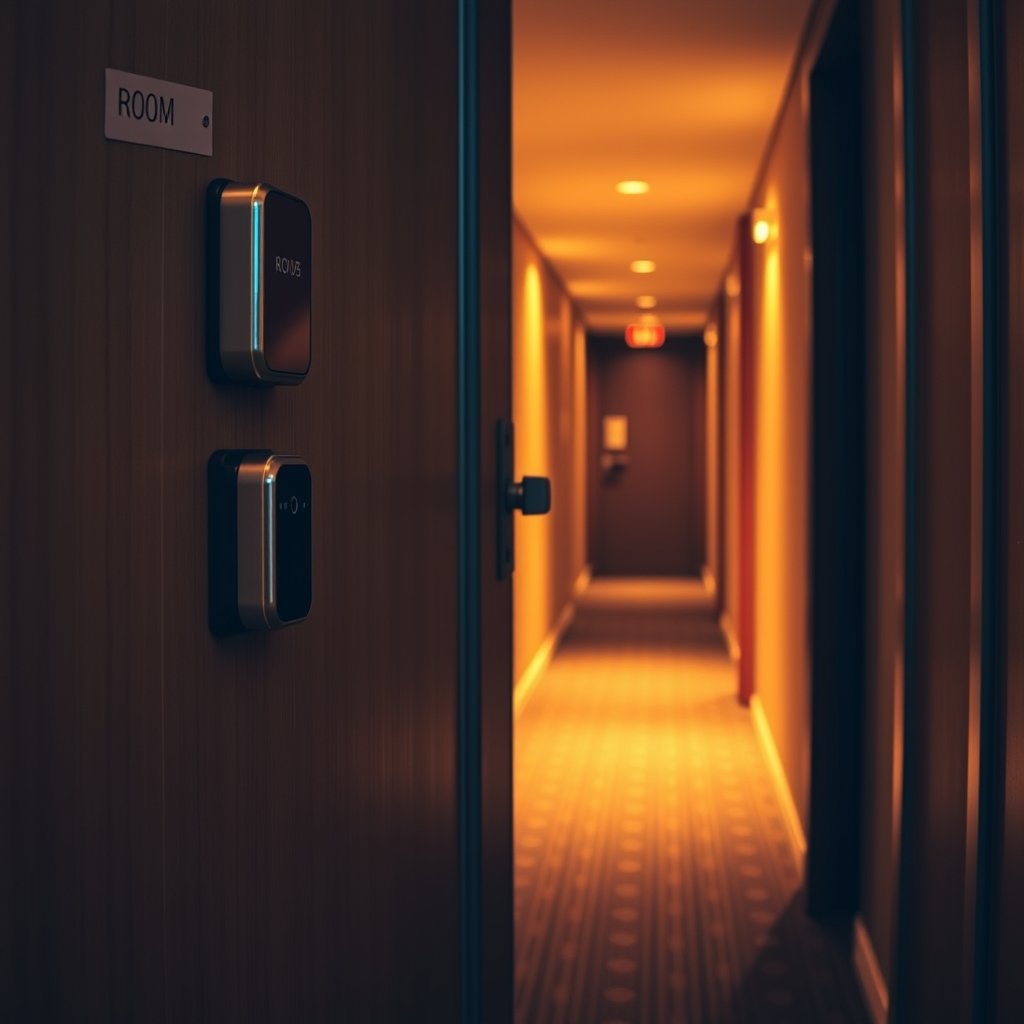
Solo Business Traveler (like Emma)
- Doorstop wedge alarm: Light, flat, fits in any bag, creates physical and audible barrier; triggers if the door opens. Easy for quick setup. (Ex: SABRE Door Stop Alarm, ~4.5oz)
- Portable door sensor travel alarm: Clips between door and frame; emits 120+dB if contact breaks and is compact. (Ex: Lewis N. Clark Travel Door Alarm, ~2oz)
- Door knob alarm: Hangs on the inside knob and beeps with vibration/touch—best for quick installation but may not fit all hotel doors.
Solo Leisure Traveler
- Magnetic contact sensor alarm: Minimal weight, sets up fast on most hotel doors; works well if no large gap between door and frame.
- Personal keychain alarm (as backup): A pocket-sized option for rental stays or doors that can’t fit a wedge or sensor. See top-rated personal alarms for women.
Family or Group Travel
- Multiple wedge alarms: Place on both main and adjoining doors for a loud, reliable alert. Use several for suites or family rooms.
- WiFi/Bluetooth alarms (if using recurring rentals): Best for longer stays in Airbnbs but overkill for regular hotels.
Couples
- Single wedge or sensor alarm: Easy to pack, enough deterrence for one room without extra bulk.
Key usability cues: Opt for an alarm under 5oz, smaller than your hand, and with non-marring pads or friction fits to avoid hotel door damage. Bonus: Pick options that don’t require tools or permanent mounting.
Note: No reliable data found tying specific alarm types to actual hotel incident outcomes for 2024 (see analysis below).
For an even more comprehensive travel security approach, explore our Solo Female Travel Security Kit guide.
Why reliable 2024 incident statistics are scarce — and what that means for buyers
There is currently no reliable public data for 2024 that proves personal travel door alarms stop hotel room thefts or break-ins. Major sources like law enforcement, insurance reports, and hospitality groups don’t tie specific incident outcomes to the use of alarms, sensors, or wedges.
For buyers, this means you must lean on product specs, hands-on testing, and aggregated hotel door alarm reviews from travelers with similar needs. That’s why our recommendations prioritize realistic feedback, compatibility testing, and factors like sound level and portability.
To see another angle on how tech is shaping personal security beyond alarms, check out our resource on connected self-defense sprays with GPS and SOS alerts.
What technical features matter most for hotel-room alarms (and why)
Travel door alarms aren’t like full-home systems. Here’s what to look for, with a focus on hotel practicality:
- Decibel output: Aim for at least 110dB. Louder alarms (120–130dB) create real deterrent effect and get staff attention quickly.
- Sensor type: Wedge-style triggers on door movement; magnetic sensors detect break in contact; knob touch alarms sense vibration. Each suits different hotel door setups.
- Power source & battery life: Prefer standard AAA or button-cell batteries with at least 6 months standby. Check for battery warning indicators.
- Weight & pack size: Travel wedge and sensor alarms should be under 5oz and flatter than 2 inches, fitting in any carry-on or laptop bag.
- Attachment method: Pick alarms with friction-based or soft silicone pads to prevent marring or scratching hotel doors (avoid adhesives unless fully removable and residue-free).
- Door type compatibility: Many hotel doors have thick seals or space under the door. Test alarms on fire-rated, metal, and wooden doors in your home before your first trip.
- One-person setup: You should be able to arm, test, and disarm the device solo in less than 30 seconds.
Some devices marketed for “home” use are too heavy, bulky, or require screws—these should be avoided for travel. For more advice on everyday travel safety tools, see our roundup of travel safety gear under $30.
Real criticisms and frustrations from hotel alarm reviews — what to avoid
Aggregated travel door alarm reviews show common pain points. Here’s what experienced travelers warn about:
- Wedges or sensors don’t fit under thick or unusually high-clearance hotel doors—leaving your device useless.
- Frequent false alarms from HVAC vibrations, slamming hallway doors, or poor tension settings—especially in older hotels.
- Quiet alarm output (under 100dB) lets staff or intruders ignore your device.
- Short battery life or no battery indicator—a device that dies mid-trip offers no protection.
- Confusing setup or overly sensitive controls—risking accidental damage to the door or tripping the alarm unintentionally.
- Bulky alarms or those with protruding parts won’t travel well, delay your exit, or add weight to your carry-on.
- Cheap adhesives or sticky pads damaging hotel paint or finish—risking cleaning fees or guest complaints.
In summary: Size and alarm strength matter. Check that user reviews consistently report fit success with hotel doors and minimal accidental triggers. If you want a broader trip safety strategy, our hotel safety checklist covers bags and door locks too.
Price brackets in 2024 — what buyers typically get at each level
The best hotel security alarm for your budget depends on your needs and risk tolerance. Here’s what each price range typically delivers, with up-to-date examples:
| Price Range (USD) | Features | Example Devices (2024) | Portable (yes/no) | Warranty / Return Policy |
|---|---|---|---|---|
| $10–$18 (Budget) |
Basic wedge or door knob alarms; 100–110dB; minimal adjustability; generic or off-brand | SABRE Door Stop Alarm, Lewis N. Clark Travel Door Alarm | Yes | 30-day returns, 1-year warranty (typical) |
| $18–$35 (Mid-Tier) |
120–130dB; sensitive triggers; non-marring pads; compact; often brand backed | Addalock + Alarm, Personal Security Alarm Combo Packs | Yes | 1–3 year warranty (brand dependent) |
| $35–$60 (Premium) |
Smart sensors; WiFi/Bluetooth; custom auto-arm; multi-door kits; premium build; long battery | Kangaroo Security Sensor (wireless), Defender Security Smart Alarm | Varies (bulkier) | 3 year (often with phone support) |
Want to see how door alarms compare to other top travel locks? Check out our full hotel room security comparison.
Side-by-side comparison — door knob alarms vs door sensor travel devices vs portable wedge alarms
Not all portable hotel security alarms behave the same in real-world hotel conditions. Here’s how the most common types stack up for solo, business, and family travelers:
| Device Type | Setup Ease | Door Compatibility | False Alarm Risk | Portability | Hotel Damage Risk | Best For |
|---|---|---|---|---|---|---|
| Door Knob Alarm | Very easy (hang and arm) | May not fit oversized knobs or suite lever handles | Medium (slams can trigger) | Excellent | Low | Fast overnight business stays, newer hotels |
| Door Sensor Travel Alarm (Contact/Magnetic) | Easy | Needs small frame gap; doesn’t fit all steel doors | Low–medium | Excellent | Minimal | Longer stays, chain hotels |
| Portable Wedge Alarm | Very easy (slip under door) | Needs correct clearance; high/thick doors can be a problem | Low | Moderate (less flat than others) | Minimal (non-slip base) | Best all-around when it fits, family suites |
Recommendation: For Emma (and most solo business travelers), a wedge-style alarm usually delivers the best combination of reliable trigger, loud alert, and no hotel damage risk—but test at home first. For older or unusual doors, combine with a personal alarm as backup. For detailed lock vs. wedge discussion, see our door wedge vs. portable lock guide.
Regulatory and hotel policy considerations for travelers (TSA, airlines, hotels, international customs)
TSA Battery Policy: Most wedge, sensor, and knob alarms use AAA, AA, or coin cell batteries—all allowed in carry-on luggage. spare batteries (only under certain capacity) are permitted, but always protect from short circuit and carry as directed. Official TSA battery guidelines here.
Airline Restrictions: Rare, but some airlines/discounters (especially in Asia) limit devices with “sound-producing capability” or lithium contents. Check with your carrier before flying.
Hotel Policies: Most hotels ban any guest device that attaches permanently, drills, or leaves marks/residue on the door, lock, or frame. Always use non-marring alarms, and never secure doors so that emergency ingress by staff is impossible.
International Customs: Some countries restrict alarm devices over a decibel threshold—especially if they feature panic sirens. If in doubt, check the security customs advisory for your destination or carry only lower-powered alarm models and keep packaging/documentation handy to explain use.
For more on travel security regulations and tips for women, see our solo female travel safety guide.
How to test and deploy a hotel door alarm safely — step-by-step
Arrive, inspect, and secure your room confidently—here’s an actionable setup SOP that works with almost every best door alarm for hotel room device:
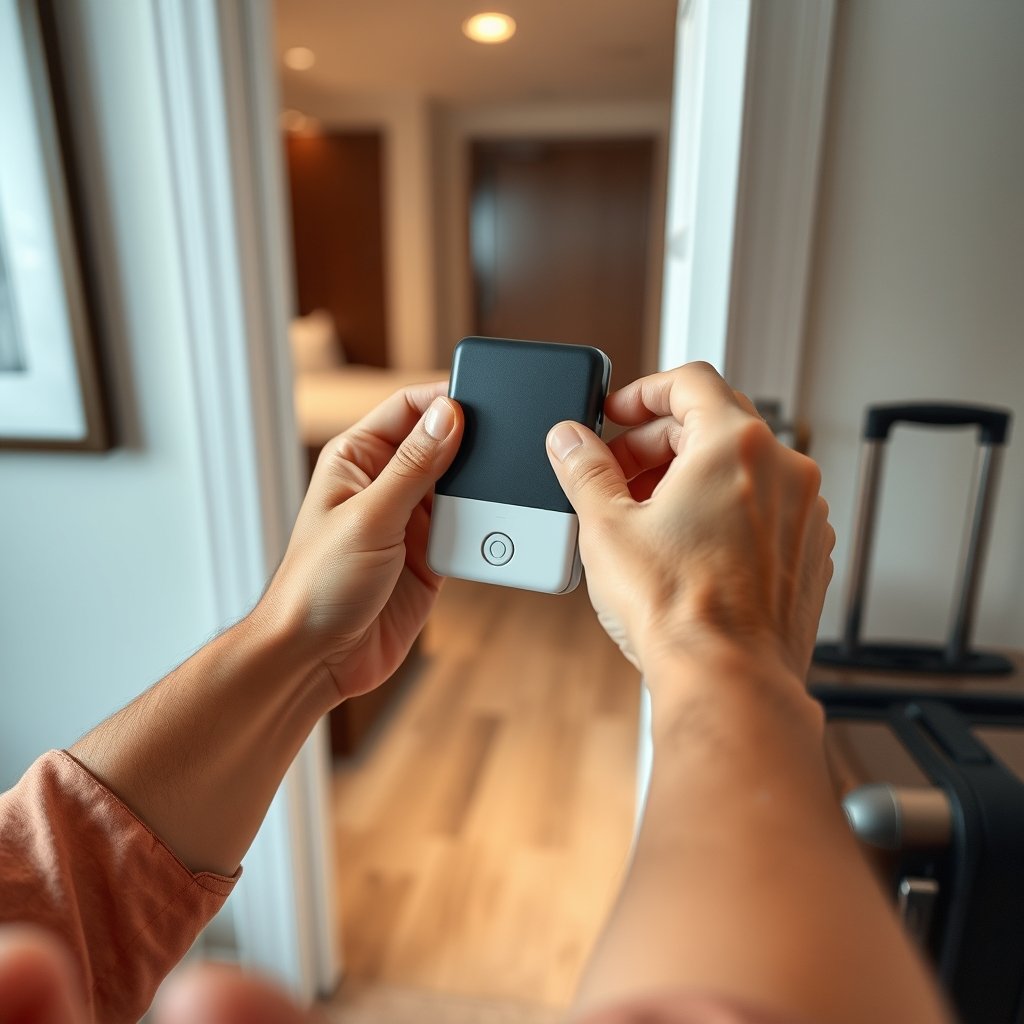
- Inspect your door and frame: Look for gaps, clearance, and whether the frame suits your alarm (magnetic sensors need touching surfaces, wedges need low clearance).
- Test the alarm: Before full deployment, do a “sound test” at the door. Activate briefly and listen in hallway for volume—deactivate once confirmed.
- Perform a “quiet test”: Place the device but don’t arm it; simulate opening/closing to spot fit problems or movement without alarming anyone.
- Check battery indicator or voltage levels: Many alarms flash or beep on low battery. Replace if in doubt before you go to sleep.
- Set and position your alarm: For wedges, push lightly until snug—do not force into place. For sensor or knob alarms, align per manufacturer’s diagram and verify the trigger path.
- Nightly re-test: If you’re staying more than one night, test again after housekeeping enters or before bed.
- Repack carefully: Remove batteries if traveling again soon; use a hard-sided or padded case to avoid accidental activation in your bag.
Do’s and Don’ts
- Do: Always remove your alarm before checkout—inspect for any marks or debris left at the hotel room entry.
- Don’t: Don’t jam, wedge, or tape anything permanently to hotel hardware. Avoid making staff wait for entry in emergencies.
For more in-depth device installation steps, see our setup walkthrough for travel door alarms.
Maintenance, battery tips, and travel packing checklist
Even the best travel door sensor can fail if neglected. Here’s how to maximize device lifespan and performance on every trip:
- Battery types: Use fresh alkaline AAA or button-cell batteries (whichever your model takes). Avoid old or off-brand batteries that may leak.
- Spare battery kit: Pack two sets, in original wrapping or a hard case, kept apart from the device to prevent accidental discharge or shorts.
- Protection in luggage: Use a small hard eyeglass case or padded pouch so the alarm doesn’t activate in-transit; avoid warping or breaking wedge triggers.
- Cleaning: Wipe with a soft, dry microfiber cloth—never use harsh chemicals that could damage electronics or corrode contact points.
- Hotel leave-behind policy: Always double-check drawers, under beds, and entryways before leaving. Lost alarms are rarely returned by hotels.
- Long-term storage: Store your alarm without batteries in a low-humidity area between trips.
See our complete travel packing checklist for security essentials.
6-point buyer checklist + quick picks for Emma (the persona)
Match your next purchase to these criteria for peace of mind and minimal hotel hassle:
- Fit: Confirm device dimensions suit both standard and thicker hotel doors.
- Decibel Level: Target at least 120dB for audible deterrence from inside and out.
- Battery Life: Look for at least 6–12 months claimed battery, and replace after every 3–4 trips if unsure.
- Non-damaging Mount: Only buy alarms with friction, silicone, or non-marring pads.
- Weight/Packability: Under 5oz, smooth casing, flat design packs best in tight luggage.
- Warranty/Return Policy: Choose brands with at least 1-year coverage or 30-day return option for risk-free testing.
Quick Picks for Emma
- Budget Choice: SABRE Door Stop Alarm (~$13)—unbeatable for value, but check door gap at each hotel. See latest prices.
- Balanced Pick: Lewis N. Clark Travel Door Alarm (~$18)—super compact, doubles as a luggage alarm, fits almost any door. Check current deals.
- Premium Pick: Addalock + Alarm Combo (~$35)—physical lock plus siren, great for higher-risk cities, includes travel pouch. Read full review.
Always check TSA battery rules and your hotel’s policy on travel alarms and locks before packing.
Conclusion
Packing the best door alarm for hotel room trips in 2024 means thinking beyond marketing claims or incident statistics. Prioritize fit, volume, easy setup, and damage-free use. Rely on traveler reviews, real-world tests, and always double-check TSA and hotel rules. Ready to step up your hotel room security? See our full setup guide and latest reviews to protect your next trip.
Frequently Asked Questions
Do travel door alarms work in all hotel rooms?
Most alarms work in the majority of standard hotel rooms but may not fit older doors with unusual gaps or security bars. Test your device at home before you travel to make sure it fits typical door thickness and clearance.
Are TSA agents allowed to confiscate my travel door alarm?
Wedge, sensor, and knob alarms using AAA/AA or button-cell batteries are permitted in carry-on baggage. Remove batteries if traveling internationally or if requested by security officers. Always follow the latest TSA guidance.
Can hotel staff disable or remove my alarm?
Yes—hotel staff may temporarily remove alarms if they need room access. Always use non-damaging models and disclose their presence at check-in if asked. Never secure the door to prevent rapid emergency access.
How often should I replace the batteries in my alarm?
Replace batteries every 3–4 trips or when your alarm’s low-battery indicator signals. Always pack fresh spares for trips longer than two nights or international travel.
Can I use a door alarm together with a portable travel lock?
Absolutely—combining a door alarm with a travel lock (like Addalock) creates both a physical and audible deterrent. This is especially helpful in higher-risk locations or for travelers who want maximum reassurance.