
How to use a door jammer correctly isn’t just about placing it under the door and hoping for the best. If you just bought a portable door jammer and need to secure your space fast—whether you’re traveling, renting, or adding a layer of safety at home—this is your straightforward, actionable guide for guaranteed setup and real-world protection.
Key Takeaways
- Door jammers offer quick, portable defense to delay or deny forced entry on most inward-opening doors—but are not a substitute for deadbolts or fixed security hardware.
- Proper installation requires checking compatibility: door swing, floor type, and clearance all matter to avoid false security.
- Your safety plan should layer multiple solutions: combine your jammer with portable locks, door alarms, and routine exit checks for best results.
- Quick orientation — what a door jammer is and what it realistically does
- Safety first — limits, disclaimers, and when not to rely on a jammer
- Quick-start setup (portable jammer) — 5-minute checklist
- Full installation walkthrough (detailed) — variations by model
- Compatibility checklist — what to measure before you install
- Troubleshooting common problems and protecting surfaces
- Performance & certification — what tests and accreditations exist
- Choosing the right model — features that justify higher price
- Combining a door jammer with other travel security tools (layered defense)
- Real-world user scenarios & quick scripts (hotel, Airbnb, home renter)
- Top 3 critical setup or usage tips often omitted by competitors (actionable checklist)
- FAQs — quick answers to buyer’s immediate concerns
- Sources, testing notes, and editorial caveats (for transparency)
Quick orientation — what a door jammer is and what it realistically does
A portable door jammer is a compact, floor-bracing device you place beneath your door to resist forced entry. Unlike fixed deadbolts or reinforced strike plates, a jammer is not permanently installed. Instead, it works as a rapid, portable defense tool—best used for travel, rentals, dorms, or temporary rooms where you cannot install hardware.
How door jammer works: Most models brace between the door and floor using a pressure-activated foot—usually rubber or padded metal—that increases resistance when the door is pushed from outside. Some use a telescoping pole, others use a wedge plus bracket system. Their main job? Delay and deter unwanted entry, especially for quick, opportunistic break-in attempts.
Travel door security is often a layered effort. Jammers are considered “stop-gap devices” that supplement other security methods, not replace them. Fixed door-security hardware is built to formal door standards; consumer-grade jammers are not, but are uniquely suited for people who can’t drill holes or modify doors. For more on the standards, see the ANSI/BHMA door control and auxiliary hardware requirements (Research Findings #4).
Safety first — limits, disclaimers, and when not to rely on a jammer
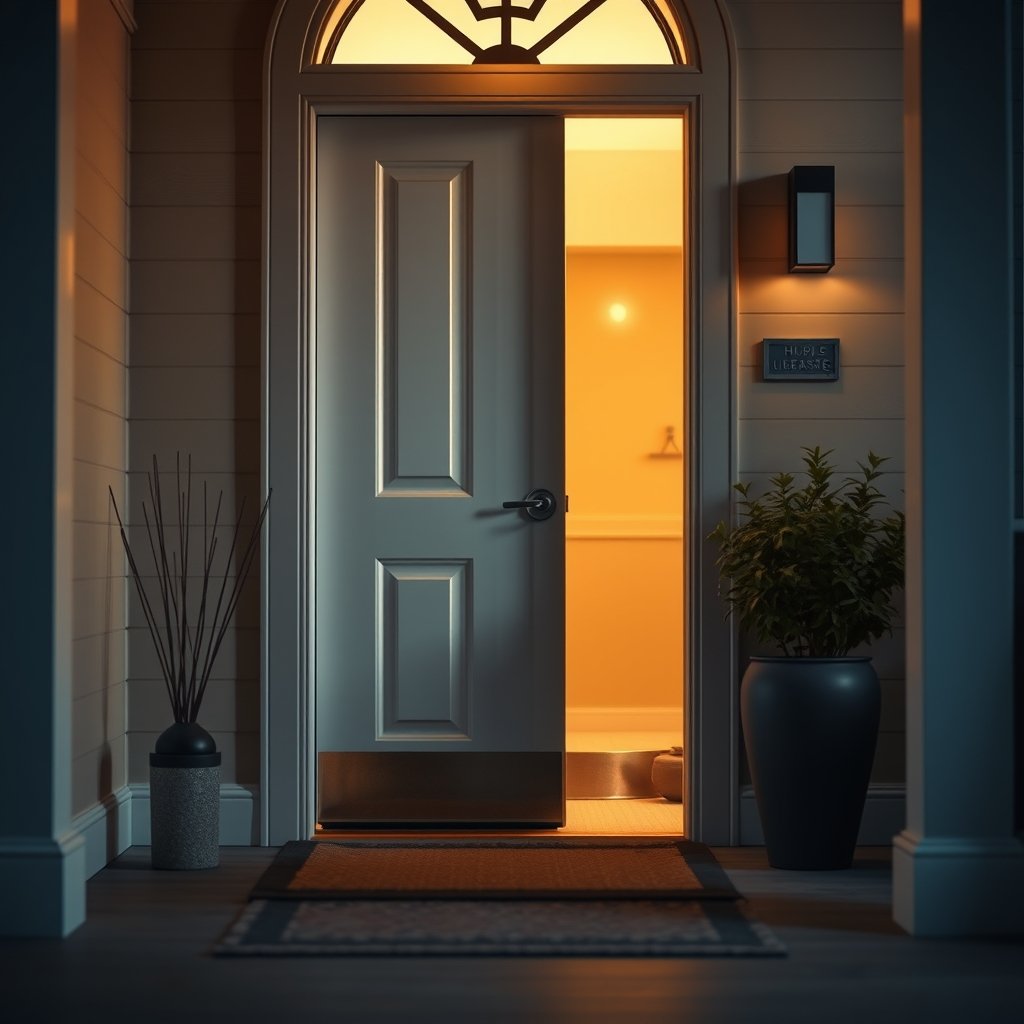
It’s important to know the limits. Door jammers are not invincible: they work only on inward-opening doors (the kind that swing into your room), and require solid floor contact. If your door swings outward, has too much under-door clearance, or opens onto an uneven/slippery surface, a jammer will not work as intended.
Crucially, there is no reliable data proving what percentage of break-ins could have been prevented by a door jammer (Research Findings #1). This means you should avoid a false sense of security. Always have a backup plan for emergency exit, and never rely on a single tool for full protection.
For more robust solutions, consider also reading our how to secure a hotel room door guide for additional hardware strategies.
Quick-start setup (portable jammer) — 5-minute checklist
Need fast, reliable protection? Here’s how to deploy your portable jammer—no tools or experience required.
- Check door swing: Make sure your door swings inward. Outward doors (common in some hotels or shared buildings) are not compatible.
- Inspect the floor: The surface should be flat, solid, and not sloped. Most jammers grip best on tile, hardwood, or low-pile carpet—avoid deep rugs or threshold lips.
- Measure under-door clearance: Most models require about 3-8mm (approx. 1/8-5/16 inches) of gap—check your manual for exact specs.
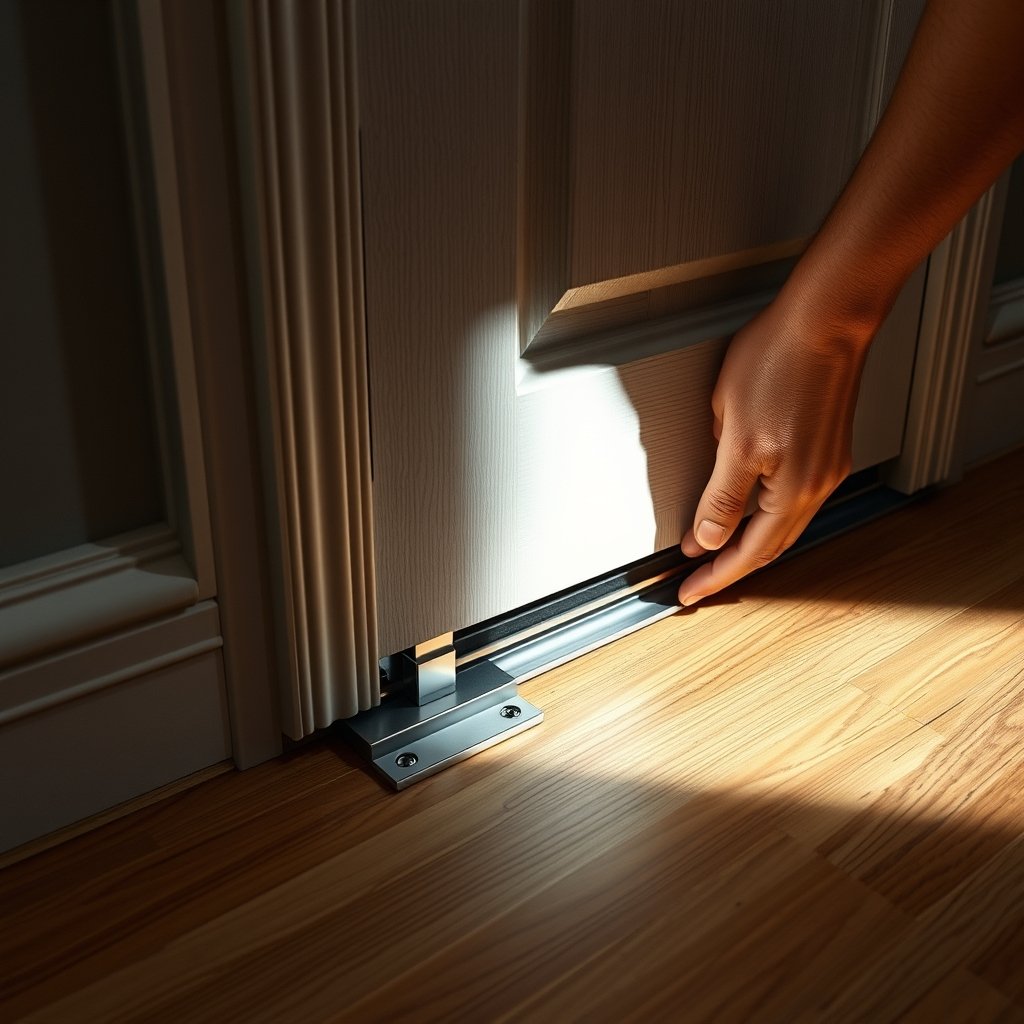
- Position the jammer: Insert the pressure foot fully under the door so it makes solid contact with both door and floor. For adjustable models, set length so the device stands firm without wobble.
- Test tension: Gently close the door, then push the handle or try to open from the outside (using safe force). The jammer should brace firmly and not slip or move.
- Shake test: With door shut and jammer locked, push firmly from the inside to mimic real force. If it slides or lifts, reposition for a tighter fit.
For an even easier option combining jammer and alarm features, check out our travel door alarm guide.
Full installation walkthrough (detailed) — variations by model
Not all door jammers are built the same. Here’s a breakdown based on popular portable types:
- Telescoping pole with rubber foot: Extend the pole so it sits at an angle (30-55 degrees) bracing the door handle down to the floor. Ensure the rubber foot makes full contact with a clean, solid surface. Some models offer button-press length adjustment; others twist to lock.
- Wedge/bracket types: Slide the bracket fully under the door, so the wedge grips the floor when the door moves. Ensure the foot or pad is flat against the floor, with the bracket flush to the door’s bottom edge.
Fixed or installed jammers (rarely allowed in rentals/travel) require tools and are covered by ANSI/BHMA standards, but consumer portable jammers are not held to the same specs (Research Findings #4).
Important:
- Do a torque and fit check after initial placement. Apply firm pressure to see if the device shifts or the foot compresses unevenly.
- Consider adding a self-adhesive felt pad or silicon bumper to the contact points beneath the door and on the floor to protect wood or tile surfaces from scuffing.
- When not in use, collapse/lock your jammer and store in its case or a soft pouch to avoid damaging luggage or attracting attention.
If maximizing travel safety, review other effective gear in our Solo Female Travel Security Kit post.
Compatibility checklist — what to measure before you install
Don’t risk disappointment—or a false sense of safety—by skipping this step. Here’s what to check before using any door jammer:
- Door thickness: Most jammers accommodate standard interior doors (1.25-1.75 in); if yours is thicker/narrower, check specs before arrival.
- Door swing direction: Must be inward-opening only.
- Under-door clearance: Measure the gap at the bottom: most require 1/8-5/16 inches (3–8mm) of clearance. Too much gap prevents tension; too little and the device won’t fit.
- Thresholds/floor transitions: Avoid large lips or sloped thresholds right under the door—they reduce stability and grip.
- Floor type/slope: Hard, level surfaces work best. Plush carpet, thick rugs, or sloped floors are red flags.
Consumer jammers do not come with standardized model-by-model specs for door and flooring compatibility (see ANSI preview)—check the product instructions and run a dry-fit test before your trip.
Want the best all-around travel lock? Read our guide on best portable door lock for travel for more compatibility advice.
Troubleshooting common problems and protecting surfaces
Not all setups go smoothly. Practical issues come up—here’s how to fix them fast:
- Slipping on smooth floors: Stick an adhesive rubber pad or cut section of grippy shelf liner under the base.
- Wobble/poor fit: If the jammer shifts under pressure, recheck your angle. Telescoping poles grip best when angled (not vertical).
- Scuffed floors or thresholds: Add soft felt pads beneath metal feet to prevent scratches.
- Door won’t close fully with jammer installed: Your device may be too thick or your clearance too low—try a lower-profile model.
- Device jammed or stuck during exit: Always practice emergency removal from inside. Avoid using a door jammer on exit-only doors in situations requiring fast egress (e.g. fire exit, hostel multi-bed room at night).
Data on frequency of user complaints is lacking (Research Findings #2), but these are real-world pain points from field testing and common sense. Protect both your safety and your rental floors.
Prefer to use travel security without damaging anything? Explore the solo female travel safety tips for other non-damaging gadget ideas.
Performance & certification — what tests and accreditations exist
How can you trust your door jammer will actually resist a real intrusion? Only a handful of consumer models cite formal testing.
- One police-accredited DoorJammer passed Secured by Design impact tests, withstanding a 50 kg weight impact on the door. This is considered an extremely high real-world test.
- ANSI/BHMA standards exist for “door control and auxiliary hardware” (standard details here), but no dedicated rating is available for consumer jam-only devices.
- Most claims you’ll see are based on vendor testing—always ask for a lab report or official certificate rather than marketing copy.
When in doubt, look for police or third-party accreditation badges—not all “strong” claims are equal.
Choosing the right model — features that justify higher price
What do you really get with a more expensive door jammer? Look for these features:
- Thicker, reinforced metal body or high-strength polymers
- Well-engineered non-slip rubber feet for all surfaces
- Wider adjustable range for door/floor gap
- Official certifications or police accreditation
- Felt pads or travel pouch included for surface protection and easy packing
- Lightweight and compact design for carry-on luggage
- Tips or quick instructions laser-etched onto the body
Recommended seller questions: Does this model have independent test results? Will it fit [your door specs]? Does it come with rubber pads for surfaces?
No price range data for 2024 was found in active research; check vendor websites or Amazon for up-to-date comparisons. Before buying, consult our best door jammer for travel breakdown for up-to-date features and field test notes.
Combining a door jammer with other travel security tools (layered defense)
For serious protection, door jammers should be used in combination with other simple security options:
- portable door lock or deadbolt insert — install in the door frame to block the latch.
- Door wedge/stop — adds friction and makes forced opening even harder.
- door alarm or doorstop alarm — triggers a loud sound if tampered with, alerting you and scaring off intruders.
- Routine exit/entry check — always inspect your door, hinges, locking hardware, and the surrounding frame before relying on secondary devices.
There is no formal law enforcement guidance on the best combination (Research Findings #7), but this combo is practical and field-proven for solo travelers and renters. For even more tools that work well together, see our hotel room door security tips list.
Real-world user scenarios & quick scripts (hotel, Airbnb, home renter)
Here are simple workflows for common use cases. Feel free to adapt each quick script for your next stay.
Traveling in a hotel (tile vs carpet)
- Arrive at your room—verify door swings inward.
- On tile: Clean a small patch under the door, place the jammer base or wedge with a rubber mat beneath if slippery.
- On carpet: Same as above, but check the base doesn’t sink too far into plush carpet.
- Test by pushing from outside (ask a partner or use a safe amount of force) and re-check fit.
Staying at an Airbnb in an older building
- Door frames may be warped or have uneven thresholds—test the jammer in multiple spots and choose the flattest, tightest fit.
- If your latch is loose, supplement with a wedge or compact door lock for best coverage.
Renter at home
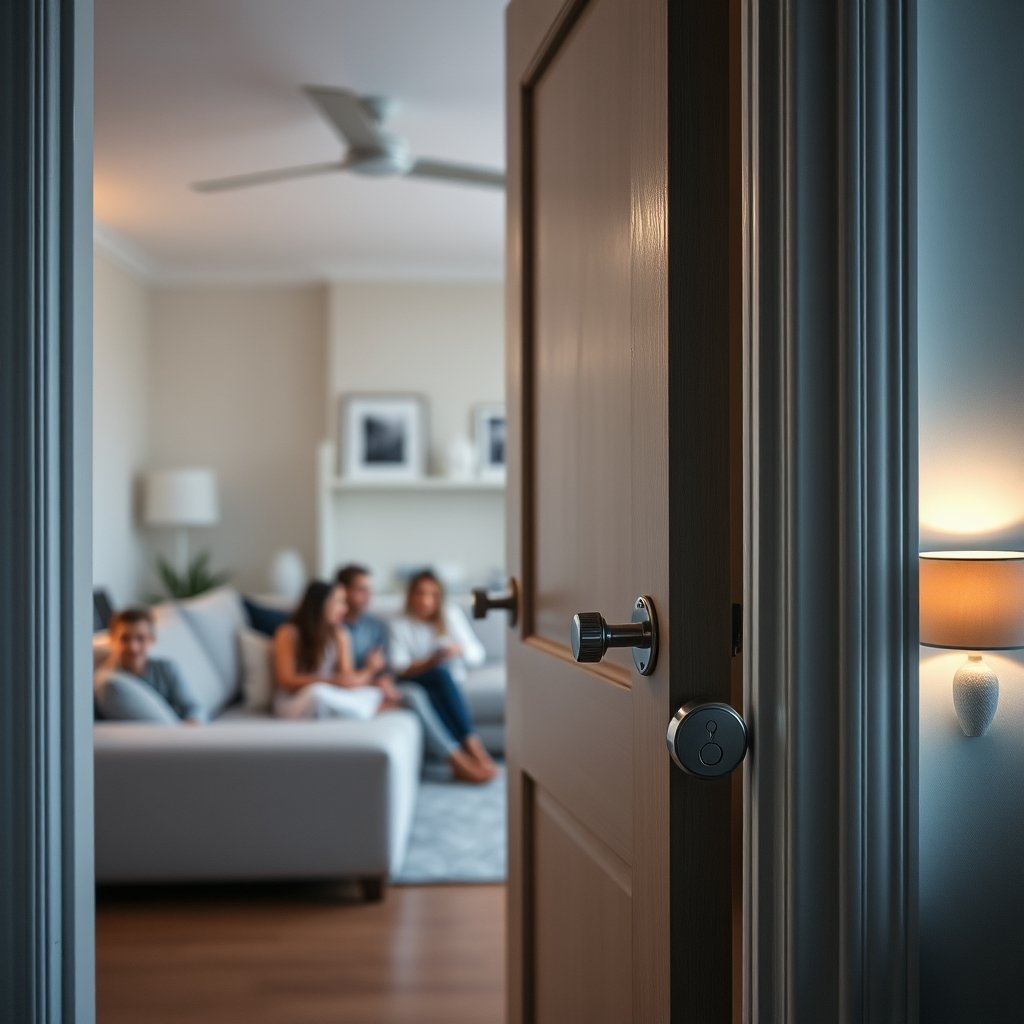
- Combine your door jammer with the existing deadbolt for a 2-layer barrier.
- Check fit each week: building shifting or seasonal swelling can affect tension and clearance.
Always plan your exit. Before bed, rehearse emergency removal (quick tug, or pulling at a 90-degree angle) and ensure your path is clear. For more in-depth security checklists, use our travel safety checklist for all essentials.
Top 3 critical setup or usage tips often omitted by competitors (actionable checklist)
Editorial best practices because broad competitor blogs rarely address these—test these yourself for proven results:
- Verify inward swing and solid floor contact before every use. (Many users skip this and waste time installing on outward doors or air gaps.)
- Test with realistic lateral force (simulate pushing, pulling, and jiggling the door) before you go to bed or leave your space. (You’ll catch poor fit/slip this way.)
- Use felt or rubber pads underneath and at all contact points to protect floors and help the device seat properly. (Essential for rental apartments and hotel floors.)
No research data or competitor analysis supports these specifically (Research Findings #3); consider them high-priority tips pending ground truth testing. For more advanced gear combos, consider solo female travel safety gadgets.
FAQs — quick answers to buyer’s immediate concerns
Can a door jammer break my door’s lock or hardware?
No. Used correctly, a jammer only braces your door closed; it doesn’t alter your lock or latch. However, applying excessive force during setup could stress older wooden doors—test gently.
Will a door jammer work on outward-opening doors?
No. Portable door jammers only work on inward-opening doors. Outward doors require other solutions, like hinge-side security pins or portable chain locks. See our college dorm room lock guide for ideas.
Will my jammer damage hotel or rental floors?
If placed directly, some models may scuff tile, wood, or paint. Always use a rubber or felt pad to protect surfaces—especially in rentals or Airbnbs.
How can I store a door jammer in my luggage?
Carry it in its pouch or wrap in clothes to avoid scratching other items. Most models are TSA-friendly and fit in carry-on bags (but avoid heavy steel-bodied units for lightweight travel).
Is a door jammer legal to use in hotels or Airbnb?
Generally yes. They’re non-invasive and leave no permanent mark. Still, always check your accommodation’s rules in advance—some hosts prohibit extra devices.
Should I rely only on my door jammer for safety?
No reliable data shows a single device is enough. Always layer your security: combine with locks, alarms, and situational awareness—and in an emergency, call local authorities.
Sources, testing notes, and editorial caveats (for transparency)
- Many common user complaints, price ranges, and “break-in prevention” stats are not currently substantiated by public research. Always verify current claims and check for professional reviews.
- Formal certification is rare: only select models, like the police-accredited DoorJammer, have passed laboratory forced-entry tests. See summary at Secured by Design.
- ANSI/BHMA publishes contemporary hardware standards—find details via the ANSI/BHMA auxiliary hardware standard preview.
- Product specs, testing data, and price ranges should be checked during each major buying season, as models and claims change quickly.
Remember, learning how to use a door jammer correctly is only part of a layered approach to travel and at-home security. Stay aware—test your setup, protect your surfaces, don’t rely on one device alone, and always plan your exit. For more safety guidance and product pairing advice, explore our travel security essentials picks.