

### Blog Post:
Addalock portable door lock review: Is this widely hyped travel security gadget actually reliable for real hotel and Airbnb stays, or is it just a false sense of safety? Read this comprehensive, no-nonsense analysis before risking your next trip’s security on popular portable door locks.
Key Takeaways
- The Addalock is best for adding a delay and deter layer, but not for stopping determined threats.
- It works only on inward-opening doors, which excludes many hotel, hostel, and rental doors worldwide.
- Installation is fast and tool-free but mastering removal under stress requires practice.
- What Is the Addalock Portable Door Lock and Why Use It?
- How to Use the Addalock: Step-by-Step Guide
- Advanced Analysis and Common Pitfalls
- Conclusion: Is the Addalock Worth It?
- FAQ
What Is the Addalock Portable Door Lock and Why Use It?
The Addalock is a pocket-sized, chrome-plated carbon steel lock you manually attach to most inward-opening doors. It promises to help travelers, renters, and solo adventurers quickly secure hotel, rental, or dorm room doors—without tools or permanent installation.
But it is important to understand what the Addalock does and does not do. It does not replace proper deadbolts or turn a flimsy keycard door into a fortress. According to security experts and real-world testers, its main purpose is “delay and deter”—making it harder for staff or opportunistic intruders with a working key to quickly burst inside. It especially appeals to solo travelers, people staying in unfamiliar accommodations, and those who want added peace of mind without dealing with landlords or property managers.
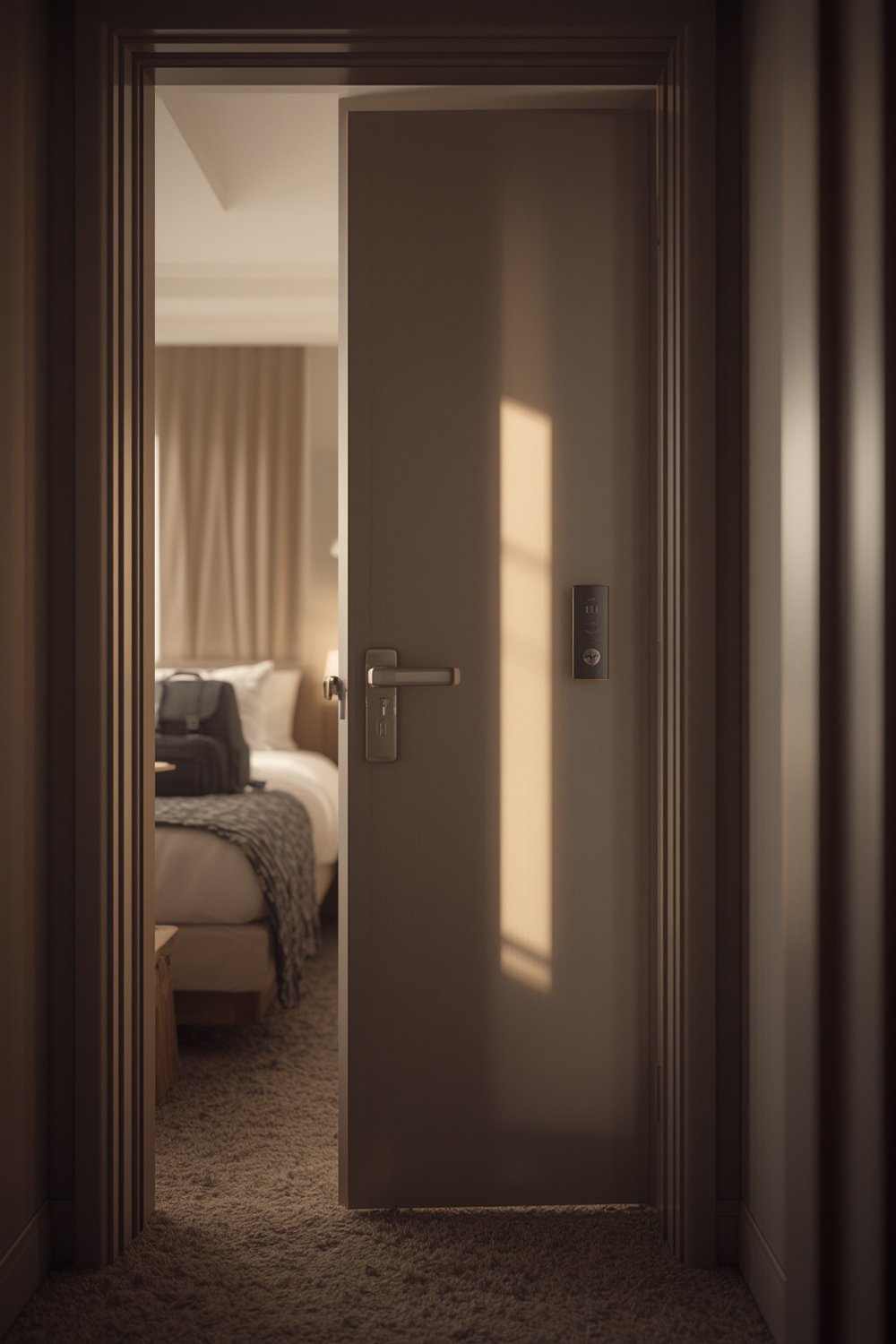
While it is a clever, renter-friendly upgrade, there are real-world limitations you need to know—especially for global hotel and Airbnb users seeking dependable hotel safety tools or solo female traveler security. Always consider your specific door type, local threat level, and whether you need additional alerts such as a travel door alarm hotel for active notification.
How to Use the Addalock: Step-by-Step Guide
Getting the Addalock installed right means the difference between a quiet, secure night and an awkward fumble at midnight. Here is how to set up and remove it safely:
- Open your inward-opening door so you can access the strike plate area on the door frame.
- Insert the Addalock’s steel tongue into the strike plate. It should slide smoothly; don’t force it if your door’s gap is very tight or the mechanism feels jammed.
- Gently close the door. The protruding part of the Addalock should be on your side, with the door shut.
- Slide the red handle (locking bar) into the slot in the steel tongue until it clicks or feels secure.
Correct installation should take under 30 seconds once you practice. The Addalock does not damage your door or frame and requires zero drilling or screws—making it ideal for short-term rentals or vacation rental safety checklist needs.
To remove:
- Pull the red handle straight out; it may require a direct, firm movement.
- Fully open the door, then slide the steel section out of the strike plate slot.
Some travelers recommend timing yourself and repeating this until muscle memory kicks in. Removing it under stress is much easier with a few dry runs, which is a smart move before relying on any best portable door lock for travel abroad or in unfamiliar cities.
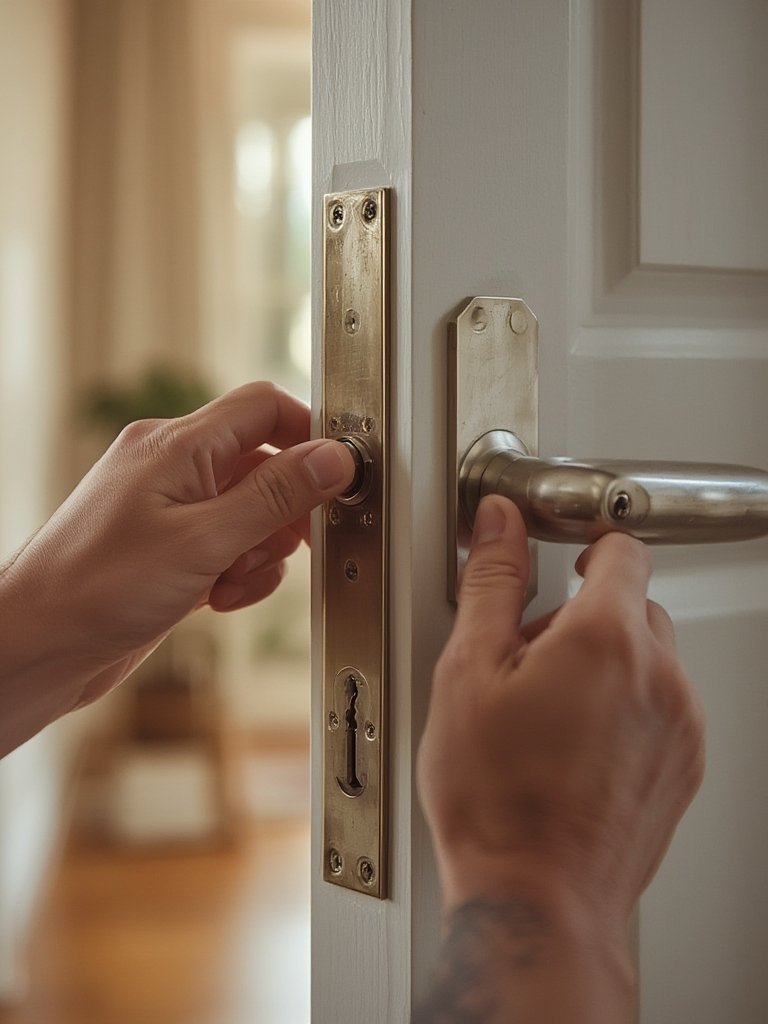
If you have a double-latch or unique door mechanism (keycard or double-bolt), test the fit before relying on it—some doors, especially in new hotels or outside North America, use nonstandard designs that prevent Addalock installation. For smart room monitoring, combine your lock with a best hidden camera detector app to check for covert risks in new accommodations.
Advanced Analysis and Common Pitfalls
The Addalock gets tons of positive buzz, but in-depth evaluation—especially by security professionals and seasoned travelers—reveals hard truths you cannot ignore if you value real security.
Security Ratings and Certifications: What’s Missing
The Addalock is not certified or rated against formal burglary standards such as ANSI, UL, or international durability scores. There are no lab results showing resistance to force or bypass methods. Users must treat it as a supplementary safeguard, not a core defense.
Major Limitations
- Works only on inward-opening doors: Most US hotel doors and some apartments qualify, but in Europe, Asia, or custom properties, outward-opening doors are surprisingly common. Addalock will not secure these doors. (source)
- Does not function as a true barricade: Security professional DeviantOllam highlights that Addalock is not designed to resist determined, forceful break-ins—it is best for accidental, staff, or opportunistic entry delays. (source)
- No TSA approval: Some alternatives such as DoorJammer are TSA-approved, but Addalock has no specific approval, so you may face airport security questions carrying it on planes in some regions (source).
- Removal requires practice: In emergencies, slow or clumsy removal could cost precious seconds—test before your first real use.
Comparative Analysis Table
| Feature | Addalock | DoorJammer | Other Alternatives |
|---|---|---|---|
| Installation Speed | Under 30 seconds (source) | Not specified | Not specified |
| TSA Approval | Not mentioned | Yes (source) | — |
| Weight | 4.2 ounces (source) | Less than 1 lb (source) | Trustella heavy-duty stainless steel option |
| Door Compatibility | Inward-opening only (source) | Not specified | Most inside-opening doors |
| Material | Chrome-plated carbon steel | Not detailed | Stainless steel alternatives |
User Complaints and Underrated Problems
- No rust or resistance data: Addalock gives no numbers on how its chrome plating stands up to humidity or extended use—adventurers in tropical or coastal climates may want a backup.
- Unclear noise profile: No reliable tests reveal if Addalock installation/removal makes enough noise to tip off a nearby intruder before installation is complete.
- No force resistance metrics: There is a lack of published pound-force ratings for break-in attempts. For a lock with “security” marketing, this makes it a leap of faith.
- Does not fit all hotel lock types: Keycard or double-latch doors—often at boutique or new hotels—can make even the best travel lock useless. Always test on arrival.
- Unknown legal gray areas: Few travelers consider that carrying or using aftermarket locks may not be allowed by every landlord, host, or even hotel policy—know the local rules.
Global Reliability
Addalock works seamlessly in many US hotels, rentals, and apartments with simple inward-opening doors. But real-world traveler tests found failures: one user had success in four different countries but reported a “single defeat” where the mechanism just would not fit (source).
If traveling in Asia, Europe, or the Middle East, double-check before you depend on any travel security tool—door types vary widely, and not all portable locks are equally universal. For more universal kits, see our nomadic safety gear 2026 post.
Conclusion: Is the Addalock Worth It?
If you need an inexpensive, lightweight, and simple layer of extra privacy, Addalock is a good choice—especially for solo travelers, renters, or anyone looking for a delay vs. determined intruders. It is well reviewed, fast to install, and usually works on older, inward-opening hotel doors.
However, its use as a “true” security solution—especially in high-risk or non-US settings—is limited. It does not fit outward-opening or many new hotel doors, has no force resistance data, and is not rated against real-world burglary standards.
Want even more security for your next adventure? Consider adding a travel door alarm for loud notifications, or review our how to secure a hotel room door checklist for full details. For the best combo, build a personal security plan with devices that fit your actual lodging type—and always test before your trip.
Bottom line: the Addalock portable door lock review is positive for extra privacy, but do not rely on it as your sole or primary means of defense in serious security situations.
A solid layer for peace of mind? Yes—for many. A total solution for hotel security? Not yet.
FAQ
Will the Addalock work on all hotel or Airbnb doors?
No. Addalock fits only inward-opening doors with a standard strike plate. It will not function on outward-opening doors or doors with certain nonstandard latching mechanisms (example: some keycard, double-latch, or double-bolt systems). Always check the door style on arrival or ask your host in advance.
How much force can the Addalock actually resist?
There are no published, tested figures for force resistance. Addalock is intended as a delay-and-deter tool, not a high-security barricade. Do not rely on it to stop a determined or physically strong intruder.
Is installation or removal noisy? Can it draw attention?
The manufacturer provides no acoustic or noise test data. Most users say it is fairly quiet, but rapid or nervous handling may create a metal-on-metal sound, especially when removing in a hurry. Practice in advance to minimize this.
Are there better options for travel security?
For layered protection, combine an Addalock with a travel door alarm or motion sensor. For all-in-one recommendations and real user experiences, browse our addalock review and solo female travel security kit posts.
Can I use Addalock in dorm rooms or with landlords?
Usually, yes. The Addalock requires no permanent installation and leaves no marks, making it great for short-term rentals, college dorms, or situations where modifying the door is not allowed. Still, check for any policies against aftermarket locks.