
Anti-theft travel backpack sales are surging, especially among solo travelers, commuters, and digital nomads. But not all anti-theft packs are equal—real protection depends on more than just marketing claims. Here’s what to watch for and how to choose gear that actually stops thieves, not just promises it.
Key Takeaways
- Marketing promises don’t guarantee real-world security—understand the true capabilities and limits of anti-theft travel backpacks.
- Critical features are slash-resistant fabric, robust locking systems, and reliable zippers—not all advertised “security” claims have official testing or certifications.
- Pitfalls include fake RFID protection, vulnerable locks, and false confidence. Combine your backpack choice with broad personal safety strategies for best results.
- The Core Concept: What Makes an Anti-Theft Travel Backpack?
- Step-by-Step Guide: How to Pick & Use an Anti-Theft Travel Backpack
- Advanced Analysis & Common Pitfalls
- Conclusion
- FAQ
The Core Concept: What Makes an Anti-Theft Travel Backpack?
“Anti-theft travel backpack” refers to a specific type of bag designed to deter theft and pickpocketing. Security features may include hidden zippers, lockable compartments, slash-proof panels, RFID-blocking pockets, and reinforced straps. But travelers should know there’s no silver bullet—no backpack can make you immune to theft without smart habits, and even so-called “slash proof” packs rarely have official certifications or lab-test data you can verify.

Real-world theft data is patchy. While over 1 million vehicles were stolen in the US in 2022 (NICB), and RV theft rose to 30,000 units in 2024 (AMPLock), there’s no strong statistical link to traveler pickpocketing or clear numbers proving anti-theft pack effectiveness (InsuranceBusinessMag). That’s why smart backpack buyers demand specific features and combine their gear with broader safety strategies.
For many, anti-theft gear is just the start—check the Solo Female Travel Security Kit and portable travel locks if you want to layer protection.
Step-by-Step Guide: How to Pick & Use an Anti-Theft Travel Backpack
- Define your risk profile. Are you visiting crowded metros, remote rural areas, or just airports and hotels? Pickpocketing risk is much higher for urban explorers and commuters.
- Evaluate material and stitching. Look for proven slash-resistant fabric—often aramid, wire mesh, or high-denier textiles. Beware brands that tout “slash-proof” without backing up claims.
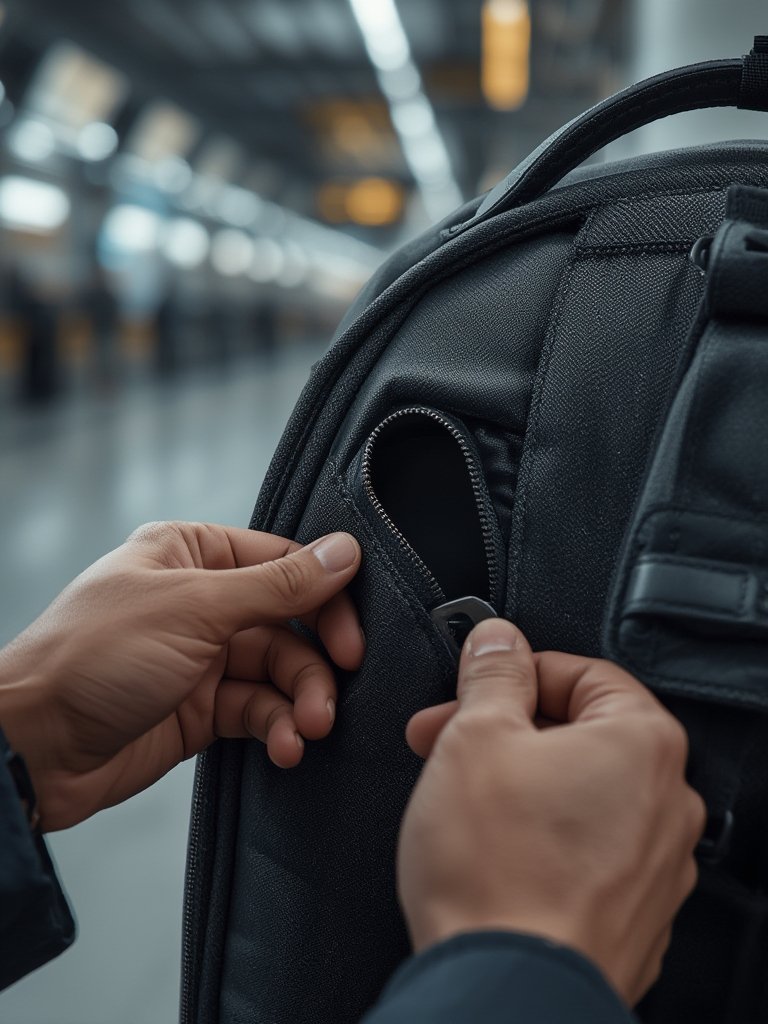
- Inspect lock and zipper quality. Ideally, the main compartments should allow a padlock or use lockable zippers. Locks on flimsy fabric or zippers with exposed teeth can be bypassed easily.
- Don’t rely too much on RFID pockets. The actual risk of RFID theft is relatively low compared to pickpocketing—but if you carry a passport or contactless credit cards, an inner RFID pouch adds peace of mind.
- Test comfort and access. Bulky or hard-to-open packs may stop thieves but also frustrate daily use. Try on your pack, load it up, and practice getting things in and out quickly.
- Layer security with smart travel practices. No backpack is magical. Combine gear with awareness—don’t leave your bag unattended, and watch your surroundings especially in high-traffic zones.
Once you’ve chosen your gear, go beyond the bag. Many solo travelers also add safety apps, self-defense keychains, or discreet safety jewelry for multi-layered security. For those anxious about tech-enabled stalking, an AirTag detection app can offer extra peace of mind.
Advanced Analysis & Common Pitfalls
Anti-theft backpacks promise a lot, but limitations are real. Lab-test data is rare; “slash-proof” claims aren’t standardized. No independent agency certifies anti-theft performance for locks, fabric, or RFID sleeves. Drawbacks include:
- False sense of security: Thieves target distracted travelers, not just bags. Focusing only on your backpack can make you miss broader risks.
- RFID-blocking overhyped: Skimming attacks are rare. Far more common are quick zips and grab-and-runs.
- Locks and zippers fail: Cheap locks and exposed zippers can be broken in seconds. Thick fabric can still be cut by sharp blades, even with mesh lining.
- No standard test data: There’s no meaningful rating or certification body for anti-theft backpacks, making “best” highly subjective.
Here’s an at-a-glance comparison of key features to consider:
| Feature | Actual Protection | Common Issue |
|---|---|---|
| Slash-resistant panel | Deters knife attacks on main compartments | No industry-standard test. Some “mesh” is decorative. |
| Lockable zippers | Delays casual thieves, adds hassle for pickpockets | Cheap locks or zippers easily forced |
| Hidden pockets | Harder to spot/access but no help if bag is stolen | Still vulnerable if thief steals entire bag |
| RFID-blocking | Blocks some card scanning attempts | Low risk—some pockets are untested or fake |
| Cut-resistant straps | May deter bag snatchers on mopeds, at cafes | Adds weight; effectiveness varies |
Cost can be a pitfall too. Without standard price data for 2024, expect “high-quality” anti-theft backpacks to range broadly. Budget models might start around $40-$60 but can offer little more than basic zippers. Premium models go $120 and up—though price alone doesn’t guarantee better materials or security.
There are no recent product recalls or documented design flaws specific to leading anti-theft backpacks, but always check recent buyer reviews for complaints about locks, zippers, or durability. For additional safety, see these guidelines: How to Secure a Hotel Room Door and Safety Tips for Solo Travelers.

Conclusion
The right anti-theft travel backpack gives you peace of mind, but only as part of a bigger safety strategy. Focus less on advertising claims and more on features, comfort, and realistic self-defense. Always pair your anti-theft travel backpack with smart practices: lock your doors, stay aware, and diversify your protection beyond just a bag. Ready to upgrade your travel safety? Start today by researching models and adding essential gear to your packing list.
FAQ
Are anti-theft travel backpacks truly theft-proof?
No backpack is 100% theft-proof. Most “anti-theft” features deter casual pickpockets, not determined thieves. Combine them with travel safety best practices for the best results.
Is RFID-blocking necessary in an anti-theft backpack?
RFID-blocking is a low-risk feature. Physical theft (pickpocketing) is far more common than electromagnetic skimming. Use an RFID pocket for passports/credit cards if it gives peace of mind, but don’t over-prioritize it.
How much should I expect to spend on a quality anti-theft travel backpack?
There’s no clear 2024 pricing, but quality models typically start at around $80 and can run $120+. Cheaper bags may lack real slash-proofing or reliable locks—even premium price tags don’t guarantee better protection, so inspect features closely.
What other safety gear should I pair with my anti-theft backpack?
Layer your security: try a portable door lock, a smart pepper spray with GPS, a door alarm, or AI safety apps for better real-world protection.