

Best portable door lock for travel is one of the most effective tools for boosting personal security and peace of mind in hotels, Airbnbs, and short-term rentals. Whether you’re a solo traveler or sharing a room, these compact locks provide an extra layer of protection that the standard hotel lock often does not. If you’re serious about safe travels, understanding what makes a travel door lock reliable—and how to actually use one—is crucial.
Key Takeaways
- portable door locks offer a simple way to improve travel security, but not all products fit every door or meet the same quality standards.
- Proper installation is key—compatibility issues and incorrect use are the most common reasons for failure.
- Certification, fit, and portability are three overlooked areas when choosing the best portable door lock for travel.
- What Are Portable Door Locks and Why Bother?
- How To Use a Portable Door Lock for Travel: Step-by-Step
- Advanced Analysis & Common Pitfalls
- Conclusion
- FAQ
What Are Portable Door Locks and Why Bother?
Portable door locks are pocket-sized security devices designed for temporary use, typically on hotel, hostel, or rental property doors. Unlike smart locks or electronic systems, these analog tools install in seconds and don’t require batteries, Wi-Fi, or permanent changes to the door. The goal: prevent unwanted entry even if someone else has a valid key or access card.
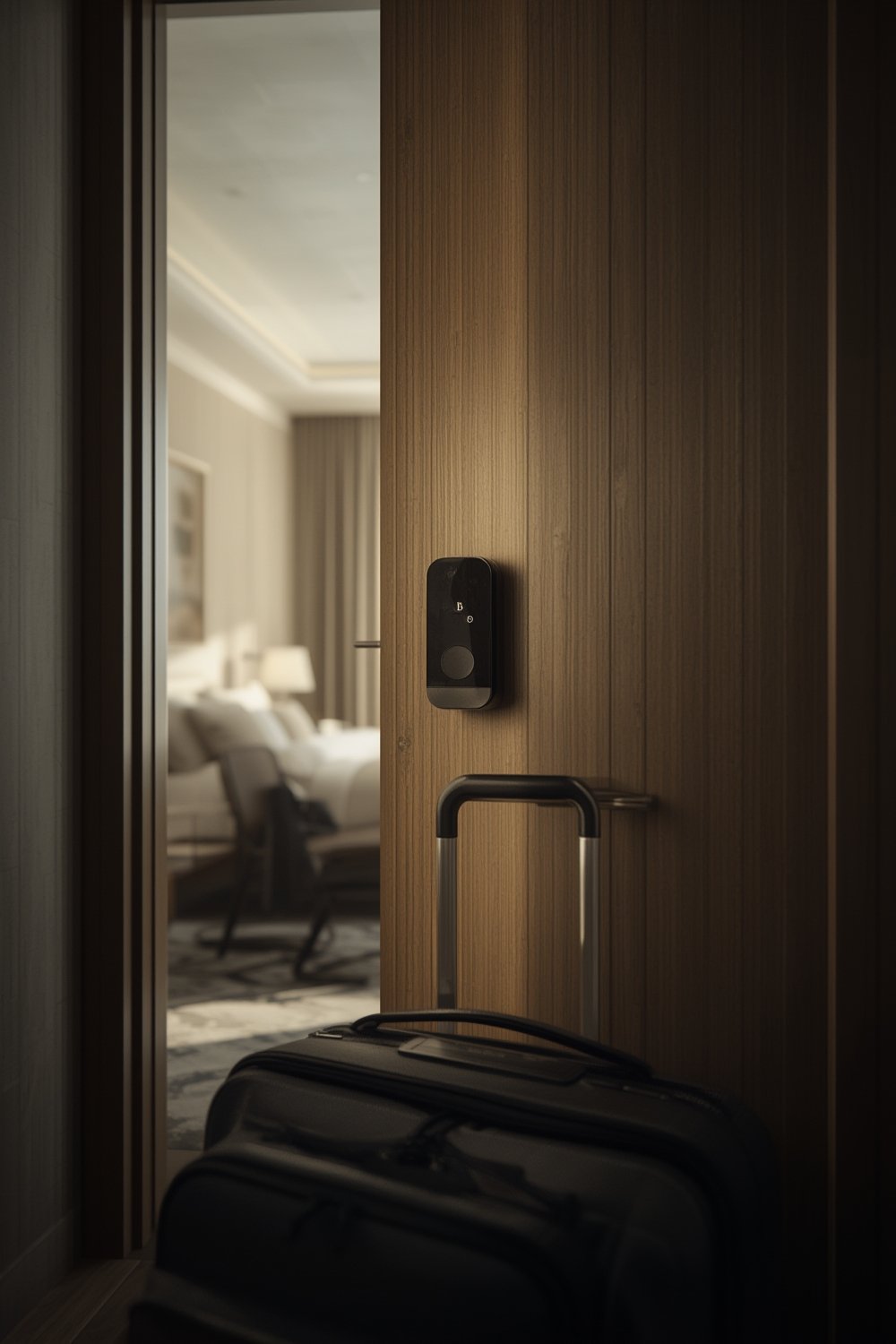
Travelers choose portable door locks because:
- Some hotel locks are outdated or poorly maintained.
- Guests, staff, or prior renters can have unauthorized access.
- Peace of mind is worth the minor effort of setup.
This personal security measure is especially vital for solo travelers, businesswomen, or anyone concerned about privacy. With rising solo travel trends, especially among women (see our Solo Female Travel Security Kit guide), the demand continues to grow. While the hotel lock market is booming and moving toward smart solutions, portable options fill a practical gap not addressed by electronic locks.
For situations where you can’t change the hardware—think dorms, Airbnbs, or international hostels—a quality portable door lock is the most realistic solution.
How To Use a Portable Door Lock for Travel: Step-by-Step
Every portable door lock works slightly differently, but the core principles for safe and effective use are the same. Here’s how to avoid the most common mistakes and maximize your security:
- Pick the right lock. Check your destination’s door type. Most portable door locks only work on inward-opening doors with visible strike plates. Confirm compatibility before your trip.
- Read the instructions completely at home. Practice once on your own door before traveling. Many users struggle the first time, especially under stress.
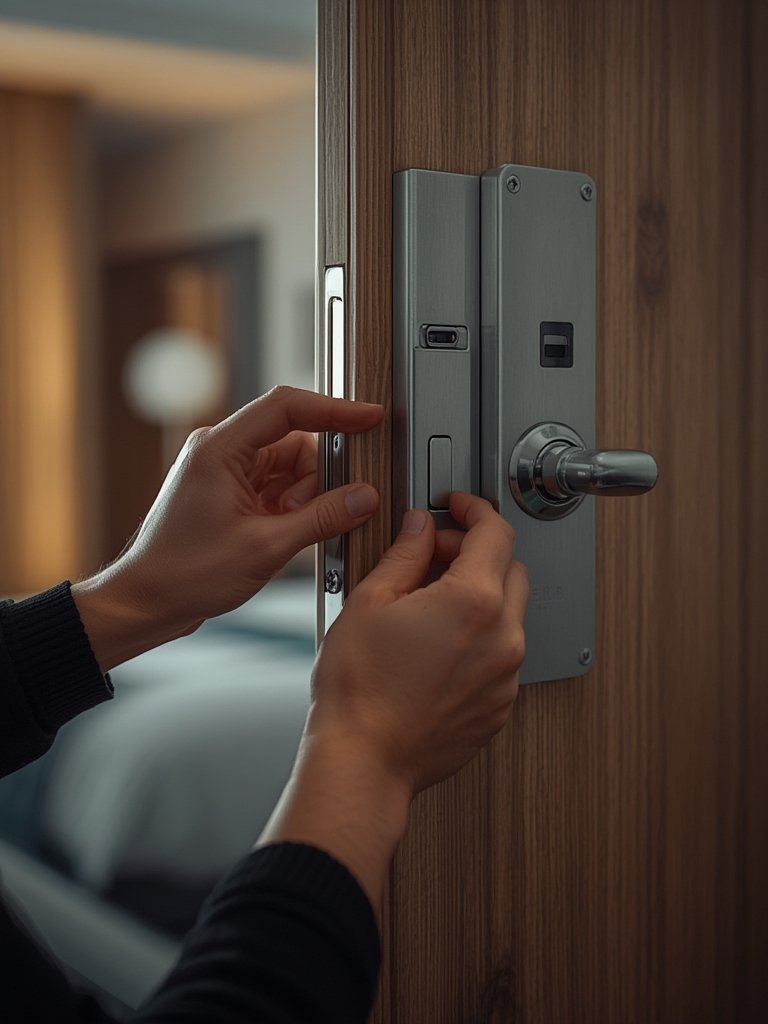
- Insert the portable lock plate. Open the door, position the metal plate into the strike of the door frame, and close the door so the plate locks in place.
- Secure the mechanism. Attach the secondary locking mechanism. Depending on product, this may be a pin, wedge, or slide device that prevents the door from opening.
- Test with gentle force. Push from outside and ensure the lock holds and doesn’t come loose.
Extra Advice: If you travel internationally, expect considerable door-to-door variance. In some countries, hotel doors may have a nonstandard latch or open outward. In those cases, a physical deterrent (like tactical gloves or a door alarm) may be more practical.
Combine your portable lock with a smart pepper spray with GPS or a self defense smart jewelry for multi-layered personal safety.
Advanced Analysis & Common Pitfalls
Despite their simplicity, portable door locks for travel are not foolproof. The most common pitfalls include compatibility failures, poor build quality, and the false assumption that “any” portable lock will work everywhere. Review these potential issues before you buy or rely on your device:
| Aspect | Potential Problem | What To Check |
|---|---|---|
| Door Compatibility | Many portable locks don’t fit thick doors, outward-opening doors, or doors without a standard strike plate. | Measure the door thickness and inspect the lock type before departure. |
| Build Quality | Low quality plastic or poorly machined parts can break or jam, rendering your lock useless. | Choose steel or aircraft-grade aluminum models with solid user reviews. |
| Ease of Use | Poorly written instructions or small/awkward parts lead to improper installation. | Always test and practice at home, not at your hotel for the first time. |
| Security Certification | Most portable locks lack formal certifications or independent testing—performance is often unverified. | Look for independent reviews or third-party testing, even though options are limited (see related security market research). |
| Travel Restrictions | Some locks could be flagged by airport security if they resemble tools or weapons. | Carry locks in checked luggage, especially if traveling internationally. Review local laws and airline guidance when packing other self-defense gear (more in our security kit guide). |
| False Sense of Security | These locks improve safety but are not unbreakable. A determined intruder or forced entry may not be slowed for long. | Combine with additional safety measures and never ignore situational awareness. |
If you want the extra edge, use your portable lock alongside a hidden camera detector app to check for surveillance devices in hotels or rentals. This layered approach has become crucial as tech-enabled stalking risk has increased (see market trends here).
Conclusion
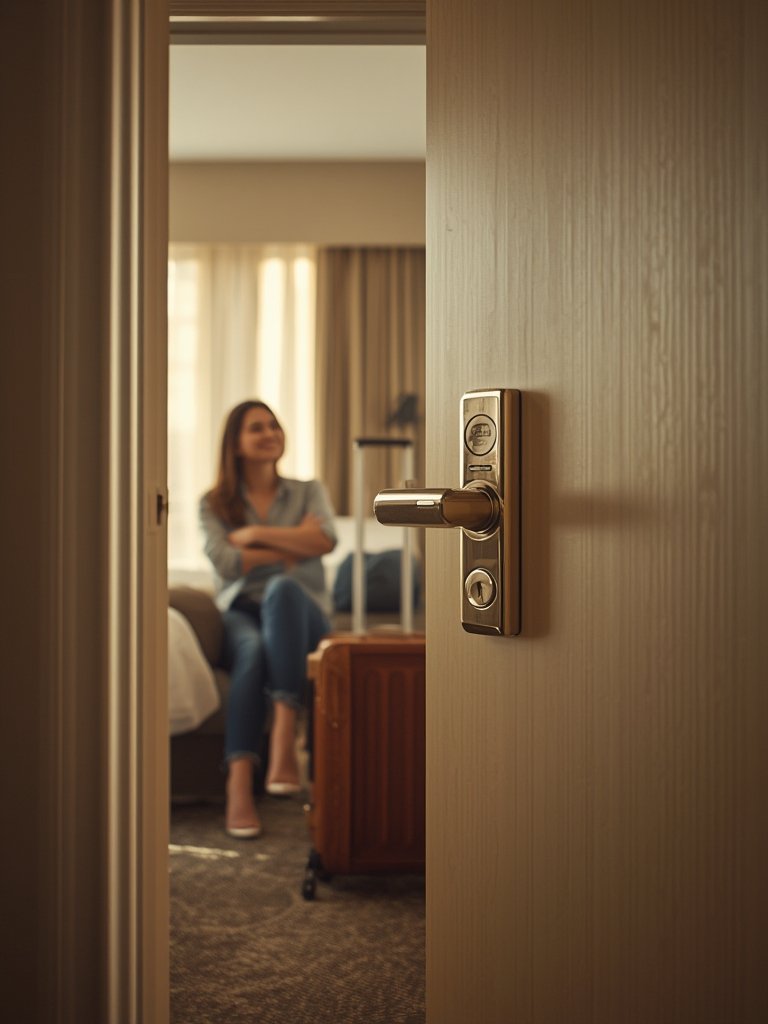
Travel with confidence but not complacency. While the best portable door lock for travel can dramatically improve your sense of security, they work best as part of a broader safety plan. Practice at home, check compatibility at each new lodging, and combine your portable lock with other personal safety tools. Ready to step up your travel security? Invest in a quality portable lock before your next trip—and consider rounding out your setup with a travel security kit or get more solo travel safety tips here. Your peace of mind is worth it.
FAQ
Will a portable door lock work on all hotel room doors?
No. Most portable door locks are designed for standard inward-opening doors with exposed strike plates. They rarely work on outward-opening doors or those with unusual lock hardware.
Is it legal to carry a portable door lock on a plane?
Yes, portable door locks are generally allowed in both carry-on and checked luggage. However, some models with sharp parts or that resemble tools might need to go in checked bags. Always verify with your airline and destination country.
Which brands are most trusted for portable travel door locks?
While there are many options, common choices include Addalock and DoorJammer. However, no lock is perfect—choose based on verified user reviews, material quality, and known compatibility.
Can hotel staff bypass a portable door lock?
If properly installed, most staff cannot bypass a well-designed portable door lock without visible force or tampering. These devices add a deterrent but, like any physical lock, cannot prevent all types of entry.
How can I maximize security while traveling solo?
Combine your portable door lock with visual deterrents (like door alarms), self defense tools such as AI safety apps, and consistent situational awareness. Read our full safety tips for solo travelers for more ideas.
—
[…] many, anti-theft gear is just the start—check the Solo Female Travel Security Kit and portable travel locks if you want to layer […]
[…] checklist helps you avoid forgotten steps—like setting up a portable door lock in your hotel (see best travel locks), checking for RFID skimmers at ATMs, or confirming emergency contacts work abroad. The checklist […]