
### Blog Post:
How to stay safe in a hotel is a concern every traveler should take seriously—no matter how modern or upscale the property. Digital threats are surging, classic door locking systems remain vulnerable, and even major hotels face outages or security gaps. Here’s what you really need to know to keep yourself and your belongings protected during any stay.
Key Takeaways
- Even leading hotels can’t guarantee safety from cyberattacks or door lock exploits—defensive personal habits matter.
- Extra hardware such as portable locks, door alarms, and privacy tools can bridge the gap where hotel security falls short.
- Proactive preparation and tech awareness are now just as important as classic safety steps.
- Understanding Hotel Safety in 2024
- Step-by-Step: How to Stay Safe in a Hotel
- Advanced Analysis & Common Pitfalls
- Conclusion
- FAQ
Understanding Hotel Safety in 2024
Hotel safety is no longer as simple as locking the door and trusting the staff. With 82% of hotels in North America hit by cyberattacks in 2024, disruptions now go beyond physical theft. Digital key systems, online reservations, and customer data are often targeted, sometimes leaving guests locked out or exposed. At the same time, basic door security has fallen behind and many doors—especially in older or budget hotels—remain easy to bypass.

Hotel guests report frustration when outages force paper check-ins, cash-only payments, or when digital keys fail. Although physical theft statistics are scarce, the biggest risks now blend the digital and physical, such as hackers exploiting door lock systems or bad actors obtaining entry via compromised hotel systems. This complex landscape demands a new, layered approach to personal and digital defense during your stay.
Step-by-Step: How to Stay Safe in a Hotel
-
Research the property before you book.
Look up recent guest reviews not just for amenities, but for mention of safety incidents, keycard malfunctions, or suspicious activity. Choose brands known for prioritizing security. For those seeking extra peace of mind, consider specialized travel security gear and hotels with strong past records. -
Request a secure room location.
Opt for a room between the 3rd and 6th floors—these are less accessible to street-level threats but close enough for quick evacuation. Avoid ground-level or rooms far from main elevators. -
Inspect the physical door and locks at check-in.
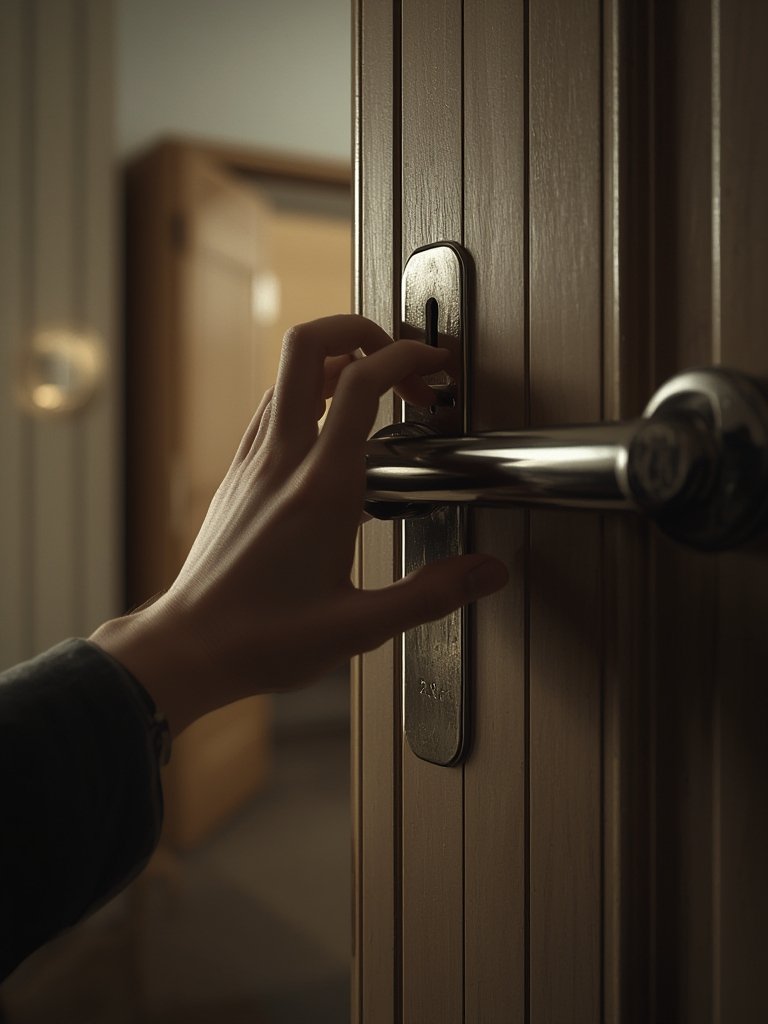
Test the deadbolt, latch, and peephole. If the secondary lock is broken or missing, ask for a new room. -
Always add your own layer of door security.
Invest in a portable travel door lock or a compact door alarm. These are easy to install and prevent unauthorized entry—even if a hotel staff member attempts to open your door. -
Check for hidden surveillance devices.
Use a hidden camera detector app to sweep your room for privacy risks, especially in unfamiliar or budget properties. For serious concerns, a physical lens detector adds extra certainty. -
Keep valuables and digital devices secure.
Don’t trust room safes. Use an anti-theft backpack, RFID-blocking wallet, and only connect to hotel Wi-Fi via a personal VPN. Be alert for phishing attempts—major data breaches expose customer details and credit cards. See recent case studies of hotel data breaches for real-world risks. -
Do not disclose your room number in public.
Be discreet at check-in. Never broadcast your room number aloud or display it on luggage tags where others may see it. -
Familiarize yourself with evacuation plans.
Know the nearest fire exits and have an escape route in mind. Place shoes and essentials within reach of your bed overnight. -
Maintain digital vigilance.
After major hacks, some hotels revert to manual (paper) check-ins and cash payments, causing chaos. Prepare backup payment options, and watch your account for suspicious activity after your stay.
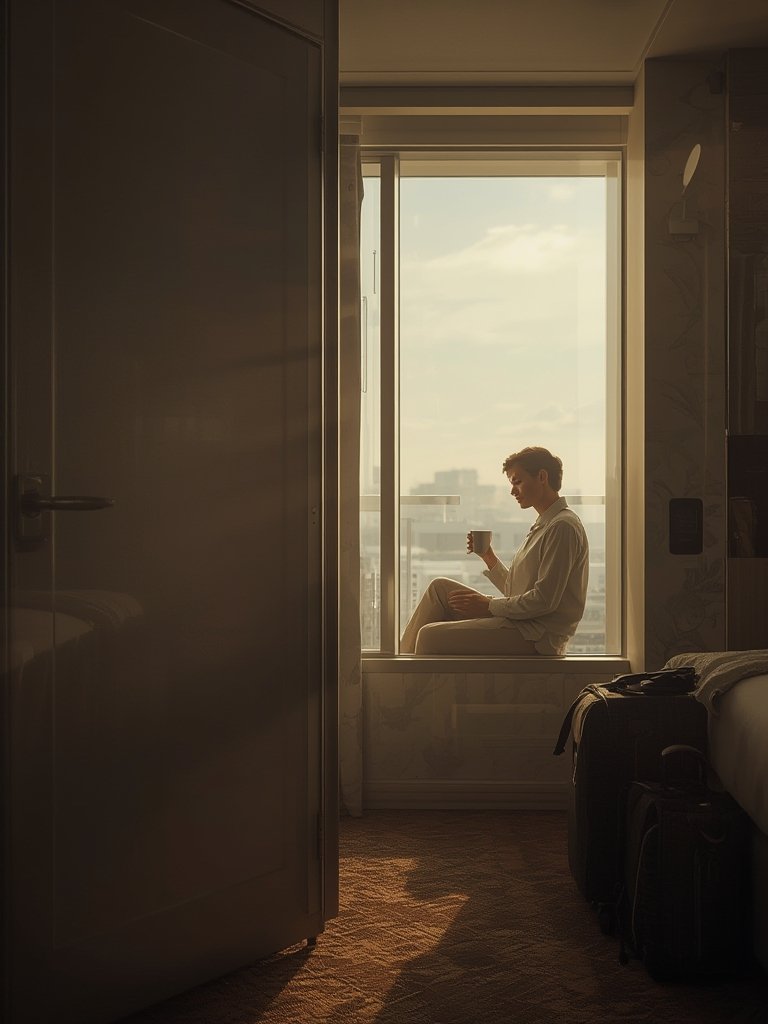
For solo travelers, especially women, an extra layer of precautions is wise. Carrying a small, legal pepper spray—like options found in smart connected sprays—adds digital SOS functionality now in demand by modern travelers. For more tips, check out our complete travel safety checklist.
Advanced Analysis & Common Pitfalls
Staying safe in hotels comes with hidden obstacles—especially as security threats evolve. Here are the most common pitfalls and vulnerabilities every traveler should understand:
| Risk/Problem | How It Happens | Why It’s a Problem | Mitigation Steps |
|---|---|---|---|
| Digital Key Failure | Outage/cyberattack disables mobile access or check-in | Locked out, long waits, potential exposure of personal info | Request a physical key, always carry ID/payment backup |
| Poor Door Security | Old/compromised locks, easily bypassed with simple tools | Unauthorized entry by thieves or predators | Use a portable lock or alarm |
| Data Breaches | Hotel records get hacked—names, payment, and booking details stolen | Identity theft, credit card fraud, exposed travel plans | Monitor your accounts, use one-time credit card numbers |
| Hidden Cameras/Spying | Unlawful devices in clocks, smoke detectors, or USB chargers | Breach of privacy, footage risks, blackmail threats | Scan room with detection apps |
| False Sense of Security | Assuming higher price=safer room, or being complacent | Overlooked vulnerabilities, badly maintained locks, inattentive staff | Double-check all points personally, don’t rely on brand reputation alone |
Cyberattacks are now the top threat facing both guests and hotels, leading to outages (as seen in the 2024 Omni Hotels incident), data loss, and even compromised room locks. Vulnerable door mechanisms remain common—many hotels delay upgrading or lack penetration testing, with fewer than 28% performing proper assessments. Don’t expect safety guidelines to be consistent globally, either. Regulations are patchy and often focus on digital risks, not physical room safety.
Conclusion
Hotel safety in 2024 means more than just using the room deadbolt. To truly master how to stay safe in a hotel, you need a blend of upgraded gear, digital awareness, and local vigilance from booking to checkout. Don’t wait for incidents—start now: research properties, add your own locks, monitor for privacy risks, and never rely 100% on hotel security. Take these steps, and you’ll sleep more soundly on any journey.
Ready for practical solutions and hands-on gear recommendations? Check out our best portable door lock for travel roundup or our travel safety checklist and protect your next trip before you even check in.
FAQ
What should I do if I notice my hotel door lock is broken?
Report it immediately to hotel management and request a new room. Never stay in a room if either the deadbolt or secondary lock is missing or defective.
Can I use portable locks on any hotel room door?
Most portable travel locks work on standard hinged doors without complex latches or gaps. Always test your portable lock at home before your trip. Some electronic locks with unusual frames may not work with add-ons.
Is it safe to use the hotel room safe for valuables?
No. Many safes can be easily reset or bypassed by hotel staff or even previous guests. Use a lockable, slash-resistant bag and keep truly important items with you.
How common are hidden cameras in hotels?
Big chains rarely have issues, but reports have been rising in budget and non-chain hotels—especially outside North America and Europe. Always scan for unusual or out-of-place electronics, and use a reliable detection app.
What if my digital room key or reservation system fails?
This has become a common problem after cyberattacks. Always prepare backup physical keys, carry ID and a backup credit card, and consider booking with providers who maintain manual check-in procedures. More tips are in our safety tips for solo travelers guide.
—