
How to secure a hotel room door is an urgent concern for travelers who want peace of mind during their stay. Even in reputable hotels, vulnerabilities in electronic lock systems and simple design oversights can put your safety and privacy at risk. Here’s what you need to know, step by step, to take control of your room’s security tonight.
Key Takeaways
- Most hotel door locks—even expensive electronic ones—can be bypassed, so personal precautions are essential.
- Simple tools like portable travel door locks and door alarms provide powerful extra security.
- Always layer your defenses: physical devices, smart tech, and awareness of common vulnerabilities work best together.
- The Core Concept: Hotel Room Door Security Explained
- Step-by-Step Guide: How To Secure A Hotel Room Door
- Advanced Analysis & Common Pitfalls
- Conclusion
- FAQ
The Core Concept: Hotel Room Door Security Explained
Many travelers assume that hotel room doors are secure by default. Unfortunately, widely reported technical flaws in electronic lock systems (like recent dormakaba Saflok vulnerabilities and historical Onity issues) reveal that faith may be misplaced. While most guests will never encounter a break-in, the risk from both technical exploits and basic forced entry is real enough that taking personal precautions is smart—especially for solo travelers.
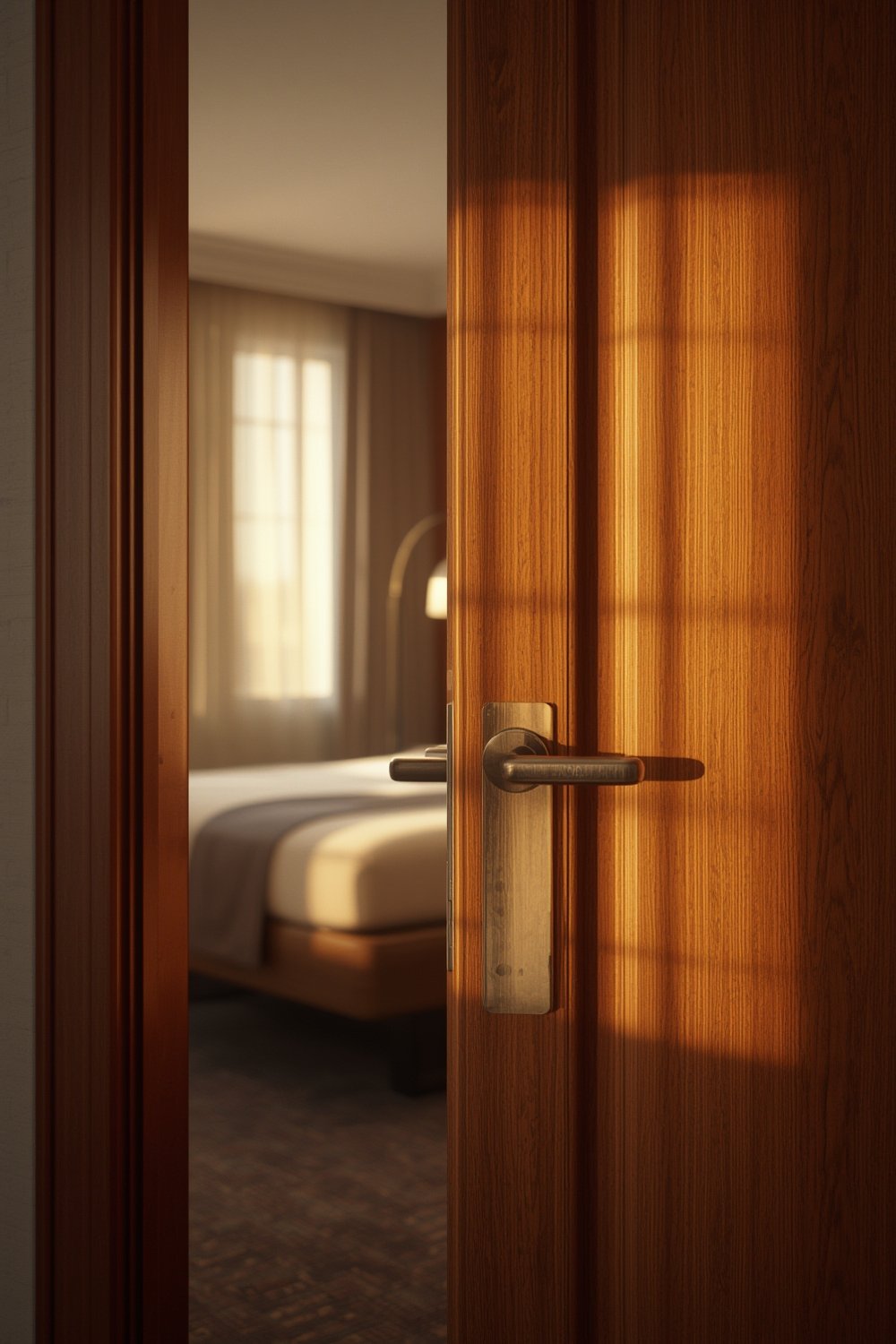
The goal: Make unauthorized entry so difficult or noisy that intruders give up, and you gain valuable time to react.
Step-by-Step Guide: How To Secure A Hotel Room Door
Follow these actionable steps as soon as you check in. Each layer adds measurable security.
- Use All Built-In Locks
Engage both the main deadbolt and the secondary locking device (like swing bar, chain, or latch). If your door only has a basic handle lock and no deadbolt, make a note for management and request extra accommodations—or seek a better-equipped room or hotel next time. - Add a Portable Door Lock or Barricade Device
Bring a portable travel door locks that installs instantly, such as Addalock or SABRE, for less than $30. These devices effectively prevent forced entry even if someone has an electronic keycard or access to staff override tools. - Set up a Door Alarm
Install a temporary door alarms or wedge alarm. These sound instantly if anyone tries to open your door, and are especially useful for heavy sleepers or those worried about staff entering unexpectedly. Explore options in our Solo Female Travel Security Kit. - Leverage Smart Personal Defense Tools
Equip yourself with modern options like self-defense smart jewelry or safety apps that alert contacts if triggered. These tools are discreet and add another crucial layer of protection if the worst happens. - Double Check Secondary Entry Points
Don’t forget balcony doors, connecting room doors, and windows. Lock them and, if possible, block with a travel security bar for maximal resistance. - Inspect for Hidden Devices
Sweep your room with a hidden camera detector app. It’s not just burglars—privacy threats can also enter via undetected cameras.
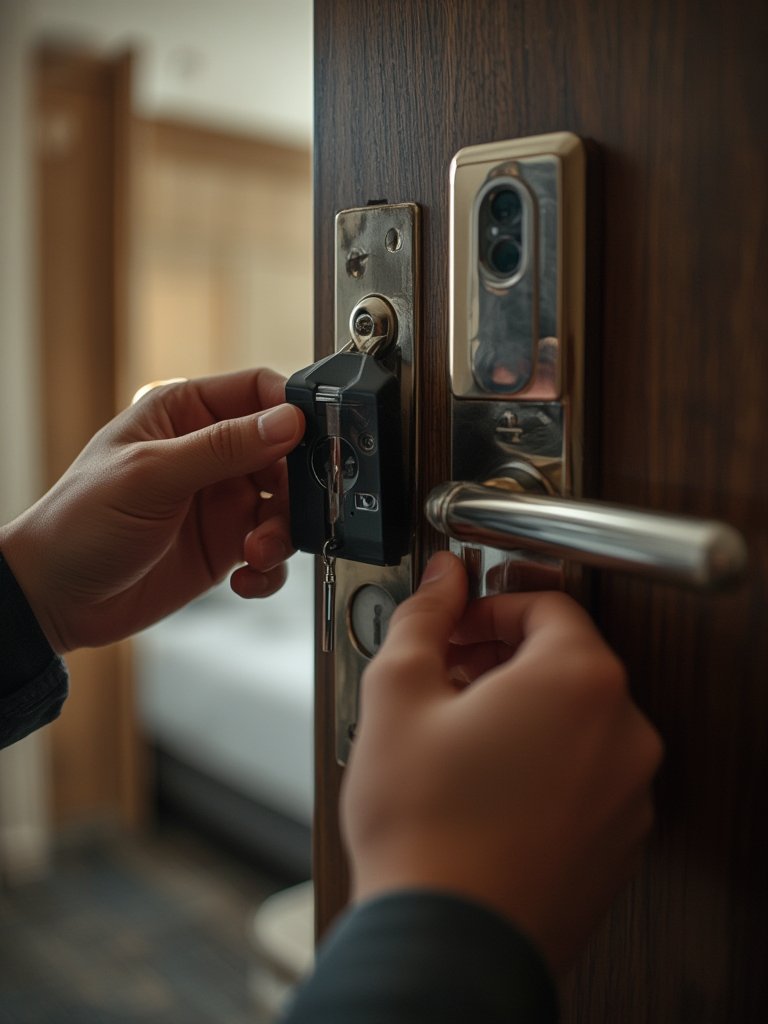
Always keep emergency self-defense tools close at hand. Stylish options like self-defense smart jewelry are increasingly popular for business and solo travelers seeking subtle, quick-access safety without compromising their look.
To go deeper, see our complete guides on safety tips for solo travelers and creating a personal safety plan.
Advanced Analysis & Common Pitfalls
Effective hotel door security is more nuanced than “lock the door and forget it.” Here are practical failures, overlooked issues, and how to critically evaluate your risk:
- Lock Vulnerabilities Are Widespread
Even chain hotels may use electronic lock systems (like dormakaba Saflok and Onity) that have been proven hackable. Until all affected doors are updated or replaced, you must add personal layers of defense. - Not All Portable Devices Fit Every Door
Some portable door locks or wedges don’t work with doors that have extra-wide gaps, swing outward, or lack a standard strike plate. Test your gear at home and watch for online reviews with compatibility insights. For deeper analysis, check our in-depth comparison of travel locks: Best Portable Door Lock For Travel. - Hotel Policy or Local Laws Can Restrict Devices
Some hotels prohibit using personal door barricades or alarms for fire safety reasons. Always check the property’s policy or ask at the desk. Certain countries also restrict import or use of self-defense sprays or smart alarms. - Overconfidence in Staff or “Good” Neighborhoods
Most break-ins exploit weak points, not always violent entry. Staff master keys, adjacent rooms, or pro thieves can circumvent basic locks without visible evidence. Assume nothing. - Tech Reliance (Alone) Is Not Enough
Safety apps, smart jewelry, and alarms work best as part of a system—not a total solution. Network or battery failures can render smart tools useless in an emergency.
| Solution | Pros | Cons | Best For |
|---|---|---|---|
| Built-In Locks Only | Fast, always present | Vulnerable to bypass and master keys | Low-risk hotels, frequent guests |
| Portable Door Lock | Strong forced-entry resistance, affordable | May not fit certain doors; risk of loss | Solo travelers, high-crime regions |
| Door or Wedge Alarm | Immediate deterrence, draws attention | False alarms or malfunction risk | Light sleepers, all travelers |
| Smart Defense Jewelry | Discreet, quick access SOS | May fail if signal lost or battery dies | Business and solo travel |
| Camera Detector App | Covers privacy threats | App reliability varies; not foolproof | Privacy-conscious guests |
Conclusion
Protecting yourself on the road requires more than trust in your hotel’s infrastructure. Real-world vulnerabilities and evolving burglary methods mean travelers must proactively address how to secure a hotel room door using a layered approach. Start with built-in locks, supplement with proven travel security devices and smart protection tools, and remain aware of both your own habits and your hotel’s unique risks. Don’t take chances—invest in your safety every stay.
Ready to take the next step? Discover our tested hotel door lock reviews or explore additional tips for solo travelers and digital privacy in our best guides. It’s your room—assert your security.
FAQ
Do portable door locks work on all hotel room doors?
No travel lock works for every door. Devices may not fit if the gap is too wide or too narrow, or if the door design is unconventional (like outward-opening doors). Always check specifications and test your gear before your trip. See our comparison guide for more details.
Is it legal to use a personal defense device or barricade in hotels?
Most countries allow personal travel locks and alarms, but hotels and local fire codes sometimes restrict them. Pepper sprays and some electronics may be illegal or restricted in specific regions. Check hotel policy and local regulations before packing.
Should I worry about electronic keycard locks being hacked?
Yes, documented exploits (like Unsaflok and Onity) prove that determined intruders can bypass even modern electronic locks. While rare, these attacks are real and affect millions of doors worldwide. Always add personal layers of defense for peace of mind.
Can hotel staff enter my room when I’m inside?
Yes, staff master keys or override codes can unlock most hotel doors from the outside, though reputable properties require knock or notification except for emergencies. Use secondary locks, a door alarm, or a travel barricade for extra control when you’re inside.
What’s the best affordable way to secure a hotel room door?
Combine your room’s built-in locks with an inexpensive portable door lock or wedge alarm. This physical layer is effective, affordable, and easy to use for almost every traveler.
—