
RFID blocking wallet for travel is a must-have for anyone concerned about digital pickpocketing while exploring new destinations. As contactless payments and chip-enabled passports become the norm, travelers face growing risks of data theft—even if recent statistics specific to travel aren’t widely reported, the global trend of payment fraud is unmistakably rising.
Key Takeaways
- RFID blocking wallets provide layered protection for passports and cards, reducing your risk from digital skimming attacks while abroad.
- It’s essential to understand wallet construction and certification—some products overpromise, while the right materials make a real-world difference.
- Pair your RFID protection with broader travel security techniques for next-level peace of mind.
- What Is an RFID Blocking Wallet for Travel & Why Should You Care?
- How to Choose and Use an RFID Blocking Wallet for Travel
- Advanced Analysis & Common Pitfalls
- Conclusion
- FAQ
What Is an RFID Blocking Wallet for Travel & Why Should You Care?
An RFID blocking wallet for travel is a specially designed accessory that prevents unauthorized access to the radio frequency identification (RFID) chips embedded in your credit cards, passports, transit cards, and some government-issued IDs. These chips broadcast your sensitive information using radio waves, often at frequencies like 13.56 MHz for credit cards and passports.
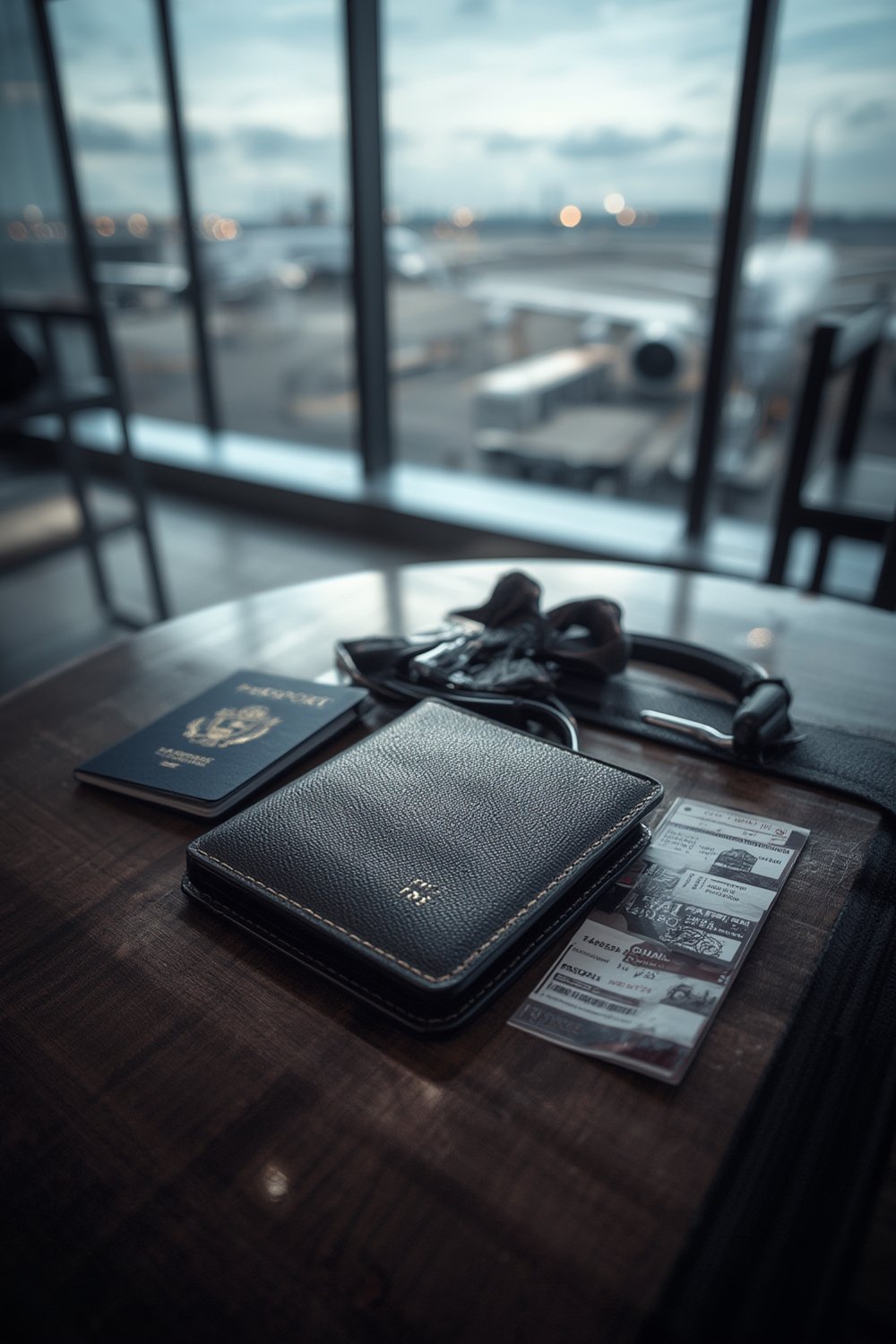
Thieves, sometimes called “digital pickpockets,” can use portable scanners to skim your card data even from a few feet away—especially in busy travel hubs. While specific 2024 data about RFID skimming targeting travelers is lacking, global fraud losses have surged to over $12.5 billion for US consumers alone in 2024 (source), and digital skimming tactics are known to include hotel lobbies, airports, and restaurants as target zones.
RFID blocking wallets physically shield your chipped cards and e-passports using metal-infused layers or specialized synthetic fibers that disrupt the radio signals scammers rely on. In practice, they’re an easy way to upgrade your travel safety and keep your identity, finances, and travel plans secure.
Proactive travel security is more than just gear: pairing RFID protection with techniques like travel door alarms, portable door locks, and smart notification tools gives you a complete travel security setup.
How to Choose and Use an RFID Blocking Wallet for Travel
Choosing the right RFID blocking wallet and using it properly can make the difference between simply owning another “travel gadget” and actually protecting your data.
Step 1: Know What You Need to Protect
Check your credit and debit cards, passport, and any contactless ID cards. Anything with an RFID chip is potentially vulnerable to skimming. Prioritize protecting these items in your travel wallet.
Step 2: Understand How RFID Blocking Works
RFID skimming relies on remote readers transmitting a signal at a certain frequency (usually 13.56 MHz for most payment and ID cards) to wake up the chip and steal its data. A wallet lined with conductive materials (like aluminum, copper, nickel alloy, or special metallic textiles) forms a Faraday cage that blocks these signals—even if the reader is placed right next to the wallet.
Step 3: Choose the Right Construction & Materials
Not all “RFID wallets” provide equal protection. Look for independent lab-tested lining, multiple layers, or visible metallic mesh. Avoid wallets that simply use thick leather without any shielding material—these will not block radio frequencies at all.
If you want a more all-in-one approach to travel security, consider pairing your wallet with an anti-theft travel backpack with RFID blocking pockets.
Step 4: Check for Certifications
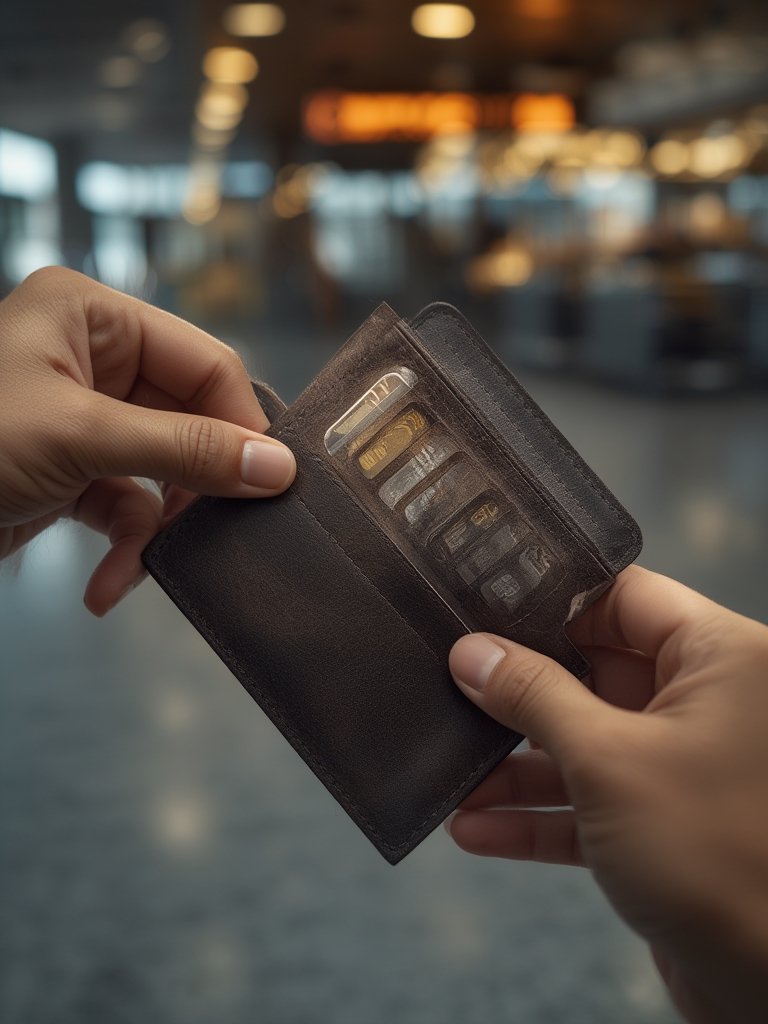
Genuine RFID blocking wallets will sometimes comply with standards like ISO/IEC 14443, FIPS-201, or offer lab test documentation. Look for evidence of third-party testing or standards compliance on the packaging or product page.
Step 5: Organize Your Cards & Documents
Place all RFID-enabled items inside the wallet’s secure section. Some wallets have only a few shielded slots—double-check your layout before travel.
Step 6: Use It Consistently
The best RFID blocking wallet only works if you use it for every card and always keep your e-passport inside when not in official use. Don’t stash vulnerable cards elsewhere in your bag.
RFID blocking is just one part of your holistic travel safety plan. For layered defense, combine physical wallet safety with techniques like self-defense keychains or tracker scanning apps—especially if you’re a frequent solo traveler.
Advanced Analysis & Common Pitfalls
While RFID blocking wallets for travel are marketed as a bulletproof solution, there are limitations and realistic problems to be aware of.
Common Real-World Pitfalls
- False Security: Most credit card data is encrypted, and financial institutions cover fraud losses—physical card theft remains a bigger risk for most travelers.
- Not All Products Are Equal: Many “RFID blocking” wallets use marketing language without effective shielding layers, or protect only select slots.
- Testing Is Inconsistent: There are no widely enforced global standards or certifications for consumer RFID wallets. Lab tests may use conditions that don’t match real street settings.
- Items Left Unprotected: Cards or tickets left in backpacks or loose in your pocket remain vulnerable, even if you own a high-end wallet.
- Bigger Digital Trends: NFC relay attacks and other scams increasingly use social engineering and mobile apps to compromise travelers’ cards (Visa Threat Report 2024), meaning wallet protection should be paired with smart usage habits.
Comparison Table: RFID Blocking Wallet Materials & Effectiveness
| Material Type | Frequency Shielded (MHz) | Durability | Common Use | Notes |
|---|---|---|---|---|
| Aluminum Foil / Mesh | 13.56 | Medium | Budget wallets, liners | Effective but can tear; not very aesthetic |
| Nickel/Copper Alloys | 13.56, 125 kHz | High | Premium RFID wallets | Resists wear, blocks more frequencies |
| RF Fabric (poly-blend w/ metal threads) | 13.56 | High | Modern travel wallets | Flexible, lightweight, used in designer wallets |
| Plain Leather | 0 | High | Standard wallets | Does not block RFID |
Price & Costs Pitfalls
RFID blocking wallets in 2024 range from approximately $15 to $80 USD, with premium brands offering built-in trackers or passport covers at the higher end. Watch out for hidden costs like international shipping, poor warranty coverage, or limited return policies. Always check the protection offered relative to the price.
Some travelers mistakenly believe high price equals better RFID protection, but this isn’t always the case. Functionality matters more than luxury branding.

For a full travel safety approach, integrate your wallet solution with a personal safety plan and gear up with new tools like smart self-defense sprays.
Conclusion
RFID blocking wallets for travel protect your data and peace of mind, but are just one layer in your broader travel defense. Always verify your wallet’s effectiveness, use it consistently for all RFID-enabled items, and stay alert to evolving scams—especially as payment fraud is climbing globally (source). Pair this with tools like hidden camera detector apps and TSA-compliant door alarms for a safer journey.
Before your next trip, upgrade to an RFID blocking wallet for travel and review your complete security kit—it could make all the difference. Want more practical security gear reviews and advanced travel tips? Explore our related guides now.
FAQ
Are RFID blocking wallets really necessary for travel?
While the risk of RFID skimming is lower than many vendors imply, the rise in digital payment fraud and the low cost of reliable RFID wallets make them a worthwhile addition for anyone carrying contactless cards and e-passports—especially when traveling through crowded airports or cities.
How do I know if my wallet actually blocks RFID?
Try scanning a contactless card or gate access card while it’s inside your wallet. If it won’t scan, it’s blocking. You can also look for ISO/IEC 14443 or equivalent standards on the product page.
Will my passport fit in all RFID blocking wallets?
No. Passports require a larger sleeve or wallet section. Always check product measurements and look for “passport compatible” in the wallet specs.
Can smart thieves get around RFID blocks?
RFID blocking wallets are highly effective against low-tech skimming, but sophisticated attacks may exploit other weaknesses, such as NFC relay attacks via malicious apps (Visa 2024 Threat Report). Combining RFID wallet use with careful card management and travel vigilance is best.
What other travel safety tools should I use with an RFID wallet?
Layer your defenses: use portable door alarms, discreet self-defense jewelry, and tracker scanners when on the move. Stay aware of new travel scams in your destinations.