
Key Takeaways
- Most safety guides ignore mindset skills, local support resources, and knowing your legal rights—these are crucial for truly feeling and being safer.
- Women’s top fears when walking alone at night are being followed, isolated, or suddenly targeted; most cope by changing their routines or using portable protection, but real social change is slow.
- Tech gear and products help but aren’t perfect—false security, usability problems, and legal issues can get in your way, so always plan for more than gadgets.
- Understanding Why Many Are Scared to Walk Alone
- Step-by-Step Guide to Walk with More Security & Confidence
- Advanced Analysis & Common Pitfalls
- Conclusion
- FAQ: Scared to Walk Alone
Understanding Why Many Are Scared to Walk Alone
Feeling cautious or scared to walk alone at night is based on real experiences and common fears. Survey data shows that over half of women feel unsafe walking after dark on a quiet street, while only about one in seven men feel the same (source). The most cited anxieties are being followed, verbal harassment, or even outright assault—especially in areas with poor lighting or no escape options.
Common coping tactics include calling friends, choosing more public routes, carrying alarms, switching to public transport, or even avoiding going out after dark at all. Many avoid walking alone unless it’s familiar territory. Some walk with their dog or take a detour through a busier area—comfort that can mean the difference between anxiety and confidence.
But most guides only scratch the surface. They focus on surface-level advice or gadgets and overlook practical skills, community resources, and mental resilience—leaving you to fill in the gaps.
Step-by-Step Guide to Walk with More Security & Confidence
If you’re serious about tackling the fear of walking alone, use this approach. Change doesn’t come from wishful thinking—it’s about real preparation and community awareness.
- Plan Your Route—and Share It
Choose the most crowded, well-lit route, even if it takes longer. Share your live location with a friend using your phone or a connected safety device. Travel security kits for solo female travelers often include simple tools for this. - Leverage Smart Personal Protection Devices
Basic pepper spray is still widely trusted, but modern gadgets are gaining ground. For example, smart pepper sprays send your SOS location to contacts when activated. Learn more in this review of SABRE smart spray with GPS. Don’t just stow it away—practice drawing and activating it quickly, even if you never need to use it.
For those who prefer subtlety, smart jewelry for self defense offers an inconspicuous panic button, combining style and security for daily use. - Tech-Enabled Safety Apps
Shift from manual SOS apps to solutions that detect threats without user input. Agentic AI safety apps analyze audio and movement for signs of distress, automating alerts if needed. However, always have a backup plan in case of lost connections or phone issues. - Grow Your Mindset Skills
If your anxiety level is high, most mainstream safety guides fail to address mindset. Use quick calm-down techniques (such as counting your breaths and visualizing safe arrival). Consider talking to peers who walk the same routes—a “buddy system” reduces isolation and reinforces shared awareness. - Scout Community Resources
Don’t go it alone. See if your area has neighborhood watch, volunteer escorts, or group walking meet-ups. City student areas often offer these, though most guides ignore them. - Understand Your Legal Rights
Research your area: Does your city have easy reporting for harassment? Are safety alarms and pepper spray legal? Knowing what’s allowed helps you act without hesitation. For a breakdown of popular options, see our Paulina Reyes pepper spray guide.
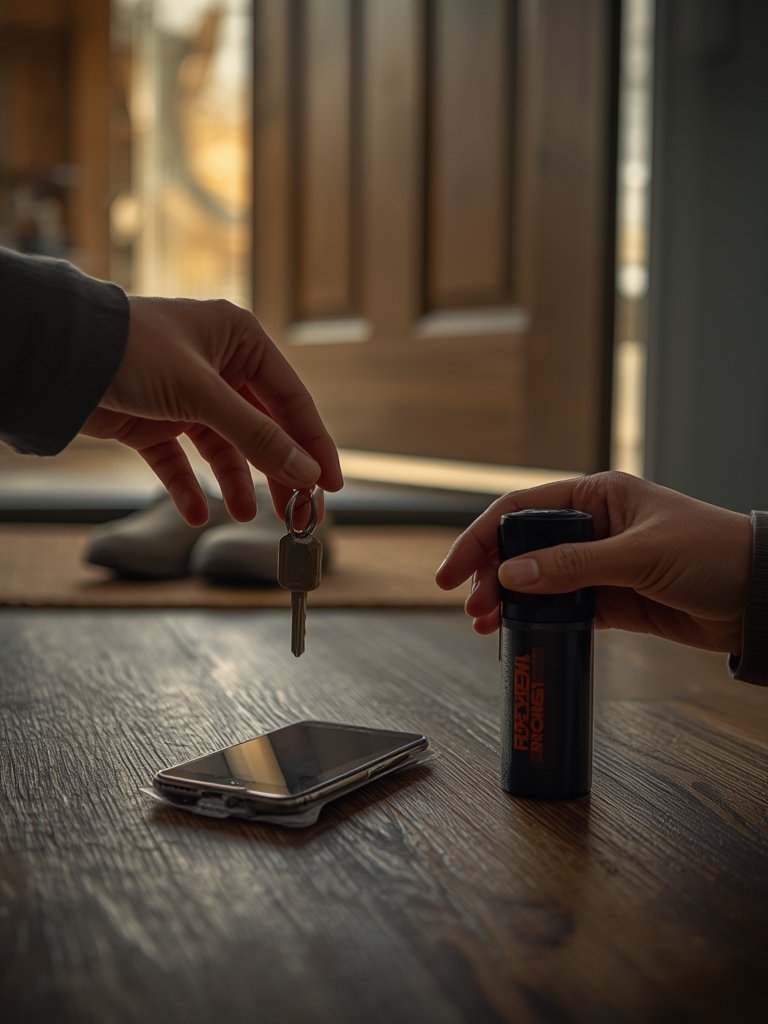
- Carry tech, but don’t rely on it as your only protection. For example, if you’re worried about being tracked or stalked with hidden devices, scan your environment with a hidden camera detector app or keep a Bluetooth tracker detector handy.
- Mix up your schedule; predictable routines make you an easier target. If possible, occasionally vary your start time or route.
- Check out this nomadic security guide for strategies that work on business trips and vacations alike.
Advanced Analysis & Common Pitfalls
Plenty of guides and press pieces focus on carrying an alarm, keeping phone in hand, or avoiding “dangerous” areas. But that barely scratches the surface. Here’s what often goes wrong:
- Over-Reliance on Tech: Safety apps sound smart, but they depend on your phone’s battery life, data signal, and your ability to access the app under stress. Some apps are slow to send alerts, or worse, might accidentally trigger false alarms if you move suddenly.
- Gadget False Sense of Security: Carrying pepper spray or a safety keychain without practicing draws or understanding local laws can create false confidence—or even legal hassles.
- Lack of Mindset Training: When panic hits, remembering to use your device or app isn’t guaranteed. Most mainstream guides ignore psychological resilience or on-the-spot coping methods.
- Missing Community Support: Many never find out that campuses, business districts, or even certain city councils offer group walking services, volunteer nighttime escorts, or “safe places” along routes.
- Legal Blindspots: Some tools (like certain pepper sprays or tactical gloves) aren’t legal in all areas. Be sure before you carry. Impact-resistant gloves may be ideal for some, but double-check your local laws.
| Safety Tool | Strengths | Potential Downsides |
|---|---|---|
| Pepper Spray | Rapid, effective deterrent Compact and legal in many areas |
Illegal in some cities/countries Requires aiming & quick access Wind can cause blowback |
| Personal Alarms | Loud, draws attention Easy to activate |
May go unnoticed in noisy areas No direct GPS/location by default Can malfunction or be forgotten |
| Safety Apps/Smart Jewelry | Share location instantly Silent distress signals possible Discrete and blends with style |
Depends on battery/signal Setup can be confusing May delay activation in panic |
| Self-Defense Classes | Builds skills, reduces panic Boosts confidence |
Cost and scheduling Skills may fade without practice Doesn’t work in every scenario |
| Community Escorts/Watch | Low/no cost Built-in deterrence |
Not always available Limited coverage after hours Requires advance booking |
Many testimonials also cite that even after using these tools, anxiety remains high. Most products are designed for active defense, but few address just-in-time mindset shifts or offer instant access to community support.
Policy and law shifts are lagging—rarely does a city roll out new, impactful safety services or meaningful bystander intervention laws (as confirmed in recent research (source)).

Conclusion
Being scared to walk alone isn’t just a personal issue—it’s shaped by our environments, our technology, our communities, and our mindset. Overcoming this fear means thinking beyond gadgets, practicing realistic safety routines, and seeking out community support systems. Don’t settle for a false sense of security—combining practical tools, legal awareness, and confidence-building skills gives you a real edge.
If you want to feel prepared the next time you’re walking after dark, start today: map out your safe routes, check your gear, learn your legal rights, and reach out to your local support network. You deserve to walk wherever and whenever you want—confidently.
FAQ: Scared to Walk Alone
What is the most effective way to feel safer when walking alone at night?
The most effective strategy combines practical planning (choosing well-lit busy routes, letting someone know your ETA), carrying a tested self-defense tool, and using technology like safety apps. Also, practicing confidence-boosting habits—such as walking briskly, making eye contact, and staying aware—can deter most opportunistic threats.
Are there laws about carrying pepper spray or self-defense devices?
Yes, rules vary widely by city and country. In some places, pepper spray or tactical gloves are illegal or require permits. Always check local laws before carrying any self-defense device—see our guide to popular pepper spray legality and tips for more details.
Can safety apps or smart jewelry really help in an emergency?
They can help by alerting contacts, sharing your location, or silently calling for help. However, they require your phone to be working and you to activate them (unless using auto-detect AI apps). Keep a backup plan in case of device failure.
Is it better to take self-defense classes or buy products like alarms or sprays?
Both can be helpful. Classes build skills and confidence for physical defense and situational awareness, while products like alarms or sprays offer fast deterrence. Ideally, combine both and keep your gear up to date with your skills.
What mindset techniques are useful for keeping calm when anxious about walking alone?
Quick strategies include box breathing (four counts inhale, hold, exhale, hold), self-talk (“I am alert, and I know my plan”), and visualizing safe arrival. Focus on what you can control, not what-ifs—practice before you need it.