
Solo female travel safety gadgets are rapidly becoming must-have essentials as more women venture out on their own worldwide, but gear alone is never the full solution—and the consequences of picking the wrong device (or ignoring the risks) are real.
Key Takeaways
- Solo female travel is at an all-time high, but significant safety risks persist—71% of solo travelers are women, and 70% express concern over personal safety.
- The right travel safety gadgets—including portable door locks, alarms, and smart tech—can offer a vital layer of protection, but understanding their limitations is crucial.
- Blending modern gadgets with situational awareness, cultural knowledge, and smart planning leads to safer, more confident travel.
- Understanding Solo Female Travel Safety Gadgets
- Step-by-Step Guide: Choosing and Using Safety Gadgets
- Advanced Analysis & Common Pitfalls
- Conclusion
- FAQ
Understanding Solo Female Travel Safety Gadgets
Solo female travel is surging, accounting for 71% of all solo travel globally and rising more than 60% in the last three years. This growth also brings sharp increases in safety concerns. According to a 2024 report by Riskline, 70% of women report anxiety about personal security while traveling, a number still rising. The threats are diverse: harassment, assault, theft, and unwelcome attention can occur in transit, in accommodation, or even digitally. Safety gadgets have evolved to address these risks—but their effectiveness depends on the scenario and on the user’s expectations.
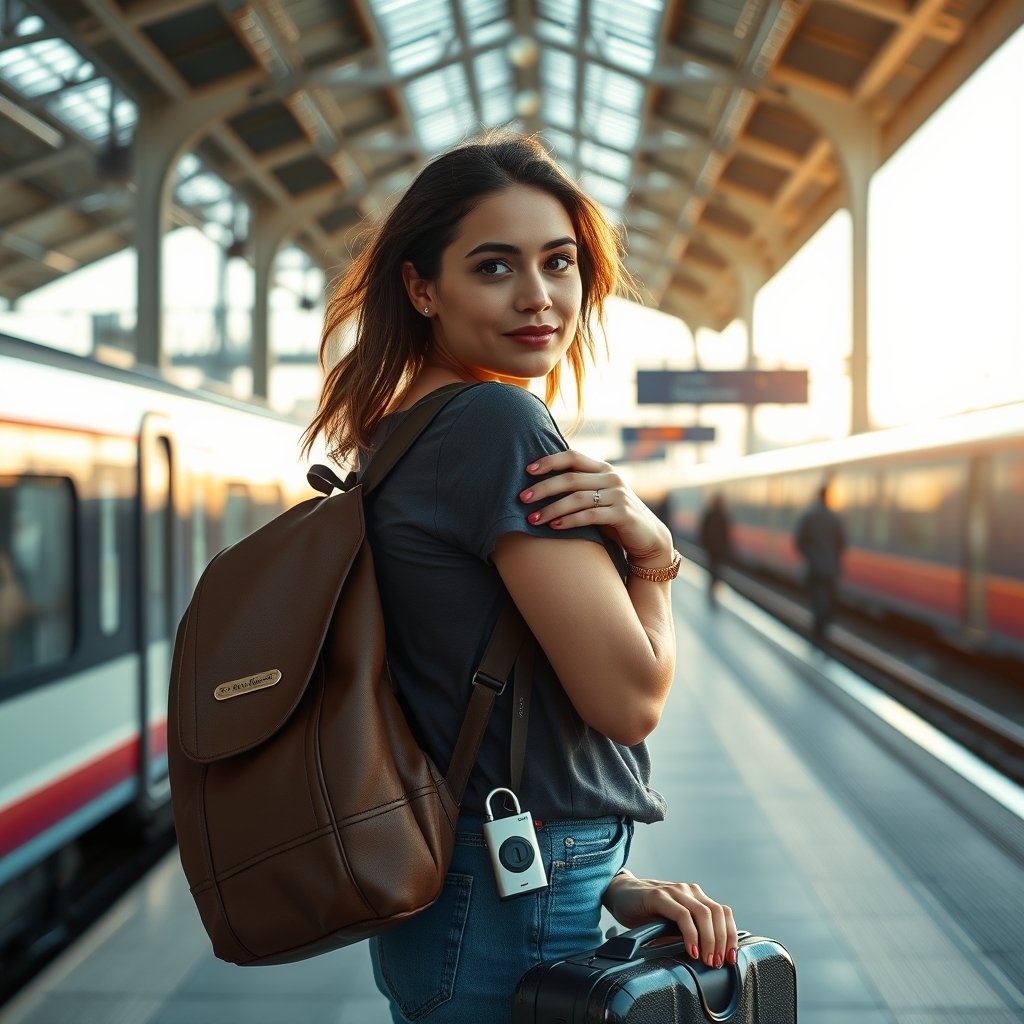
Today’s solo female travel safety gadgets go far beyond pepper spray. Travelers now have access to connected personal alarms, portable door locks, hidden camera detector apps, self-defense jewelry, RFID-blocking wallets, and even AI-enabled apps that predict threats. But no single device can guarantee total safety. The right strategy combines these tools with location research, situational awareness, and travel community support. Understanding how, when, and where to use each gadget—and its real limitations—is a requirement, not a bonus.
Step-by-Step Guide: Choosing and Using Safety Gadgets
-
Research the Safety Landscape of Your Destination
Always review up-to-date information about your travel destination. The Riskline Female Traveller Safety Map flags 29 high-risk countries for women in 2024. Scrutinize local norms, transport options, and criminal activity to know which gadgets are most relevant and legal.
-
Prioritize Gadgets That Address your Real Risks
For hotel/Airbnb stays, prioritize a portable door lock or travel door alarm for physical barriers. If digital surveillance or privacy is a concern, use a hidden camera detector app or portable locator. For late-night commutes or unknown streets, carry a loud, easily accessible personal safety alarm or self-defense keychain.
-
Evaluate Portability, Ease of Use, and Legality
Make sure your chosen gadgets are legal both in airports and at your destination—pepper spray, for example, is banned or restricted in many countries. Opt for compact, TSA-approved devices when flying. Check whether your hotel room’s door type is compatible with your chosen travel lock; not all portable locks work on all doors.
-
Layer Your Defense: Use Multiple Devices, Not One
No single tool stops every threat. Combining a door alarm with a hidden camera app and a wearable panic button means you have multiple ways to detect, deter, or escape if needed.
-
Test All Gadgets Before You Depart
Do a practice run at home with every device. Make sure alarms work, locks fit, tracker apps launch as expected, and support contacts are programmed into your phone. Rehearse using them in realistic “what if” scenarios.
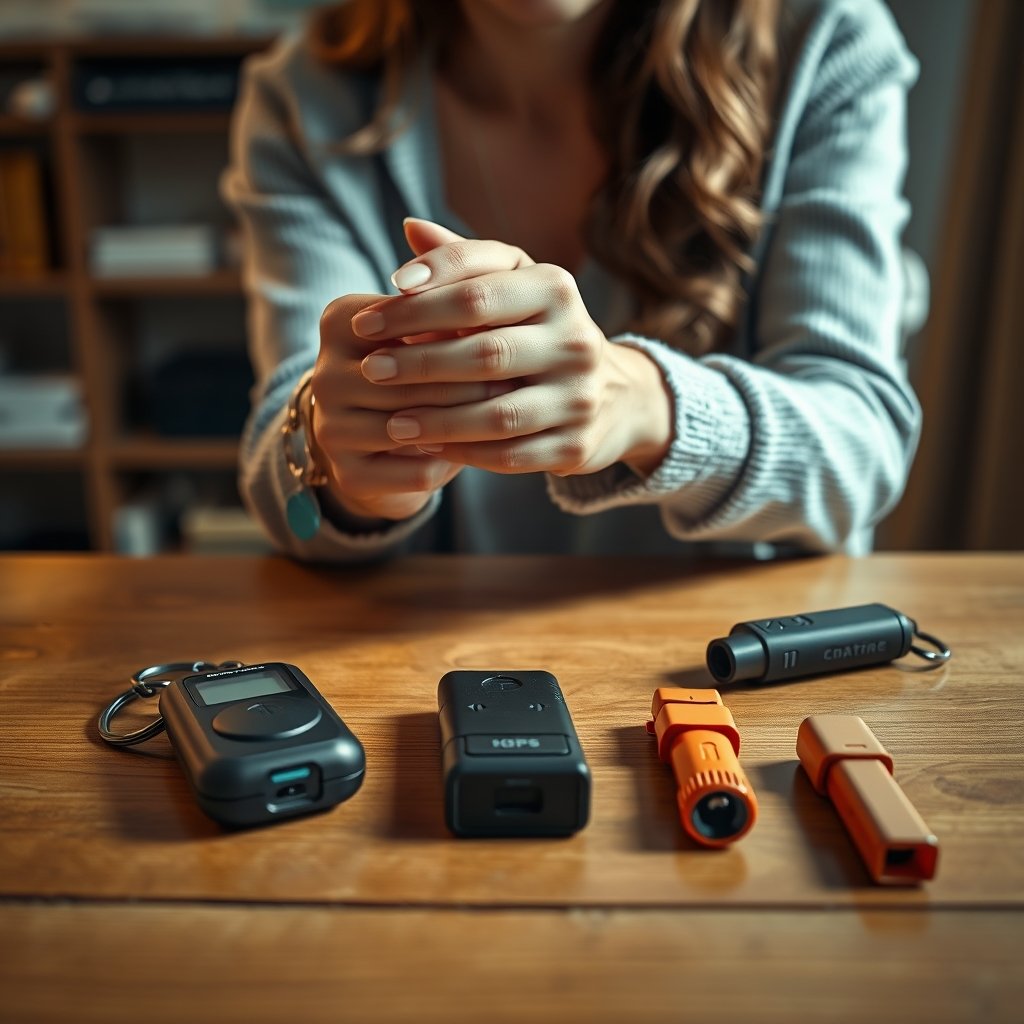
When selecting gadgets, look for independent test results or genuine user reviews—not just marketing claims. Features like 130dB alarm volume, GPS-enabled SOS alerts, or tamper-proof lock construction matter more than clever branding. Also, check battery life and ease of activation—devices that are cumbersome or hard to trigger might fail when you need them most.
Advanced Analysis & Common Pitfalls
While the range and availability of solo female travel safety gadgets have exploded, travelers routinely fall into the same traps. Here’s what to watch for—based on hard evidence, real incidents, and the latest travel safety data:
| Device Type | Strengths | Pitfalls / Limitations | Tips & Alternatives |
|---|---|---|---|
| Portable Door Locks | Blocks unauthorized entry in hotels, hostels, rentals | May not fit all door types; some settings ban them; can be hard to install under stress | Try multiple lock models; practice setup beforehand; consider a door jammer for extra security |
| Personal Alarms | Very loud deterrent—attracts attention | Batteries can die; accidental activation; in remote places, help may not come | Carry a spare; choose easy-on, easy-off models; combine with a wearable panic button |
| Pepper Spray | Strong deterrent if attacker is close | Illegal in many countries and airlines; wind can blow spray back; can be taken away and used against you | Check legalities; use smart variants with GPS and SOS; always have a backup plan |
| Safety Apps / GPS Trackers | Can share location, trigger emergency alerts, detect threats passively | Require connectivity and strong battery; false alarms possible; privacy concerns | Choose reputable apps; configure offline features; regularly update permissions |
| Hidden Camera/Device Detectors | Scans for privacy risks in Airbnbs, hotel rooms, rentals | Can give false positives; can be fiddly to use correctly | Pair with careful visual checks; use guides like how to find hidden cameras in hotel rooms |
| RFID-blocking Wallets | Protects cards and passport against digital theft | Not needed in all countries; low threat compared to physical crime | Use combined with a slash-proof travel backpack for best coverage |
Other major pitfalls include misunderstanding local laws (leading to confiscated gear or legal issues), choosing flashy but impractical tools, or having gadgets that are too obvious (risk of escalation). Remember that according to a 2025 Hostelworld report, “Safety is the top barrier for solo female travelers”—but over-dependence on gadgets is cited by experienced nomads as a frequent mistake.
Conclusion
The explosion in solo travel represents new possibilities for women—but also demand for smarter, more realistic safety solutions. Combining portable travel door locks, discreet alarms, safety apps, and situational awareness is more effective than relying on any single product. Review risks at your destination, double-check gear compatibility and legality, and always have a backup plan. Solo female travel safety gadgets are only truly effective when used as part of a thoughtful, flexible defensive strategy.
Ready to plan your next adventure? Start by choosing the safety tools you’ll actually use—and practice them before you leave. For more in-depth guides and gear recommendations, explore our full solo female travel safety tips collection, or compare top-rated options in our portable door lock for travel guide.
FAQ
Are door locks and personal alarms legal everywhere?
No, some countries or airlines ban or restrict certain safety gadgets (like pepper spray or even some alarm types). Always check local and transit laws before your trip. For more on locked room security, review our Airbnb door lock security guide.
Do I need different gadgets for hotels versus Airbnbs?
Absolutely. Some locks work better on hotel doors, while rentals may have different locks or sliding doors. Always verify compatibility and use guides like our best portable door lock for travel article for recommendations.
What’s the best way to test my safety gadget before travel?
Set up and practice using each gadget at home until it feels effortless. Simulate stressful or awkward situations—try installing a lock in a hurry, or activating an alarm with gloves on. Practice makes a real difference in emergencies.
Can gadgets replace situational awareness?
No device eliminates the need to trust your instincts, research your surroundings, and adapt quickly. Use gadgets as layer of protection, not as an excuse to let your guard down—especially in places flagged by maps like Riskline’s global safety index.
How much should I budget for a full safety kit?
While specific prices vary month to month, expect to spend between $50 and $150 for a kit including a portable lock, loud personal alarm, and at least one safety app or hidden camera tool. For the latest pricing breakdown, see our solo female travel security kit guide.