
Travel door alarm is a simple but powerful tool for hotel, Airbnb, or hostel guests who want extra room security when away from home. With rising hotel attacks, critical lock vulnerabilities, and surging solo travel, adding a portable alarm is one of the quickest, lowest-effort ways to instantly improve your personal safety behind any door.
Key Takeaways
- Travel door alarms add a critical layer of security to any hotel, hostel, or Airbnb entryway in seconds—especially when standard locks can be bypassed.
- They are affordable, easy to use, and ideal for solo travelers or anyone concerned about unauthorized entry or “inside job” threats.
- Not all models are equally loud or reliable; know the key features and installation tips before buying for best results.
- What Is a Travel Door Alarm and Why Does It Matter?
- How to Set Up and Use a Travel Door Alarm: Step-by-Step
- Advanced Analysis and Common Pitfalls
- Conclusion
- Frequently Asked Questions
What Is a Travel Door Alarm and Why Does It Matter?
A travel door alarm is a portable security device that instantly alerts you if someone opens, tampered with, or even tries to force your door—no complicated tools or setup needed. These alarms work by detecting movement, vibration, or pressure. Once triggered, they emit a loud siren—usually 90 to 120dB—to startle intruders and warn you of danger even if you’re asleep.
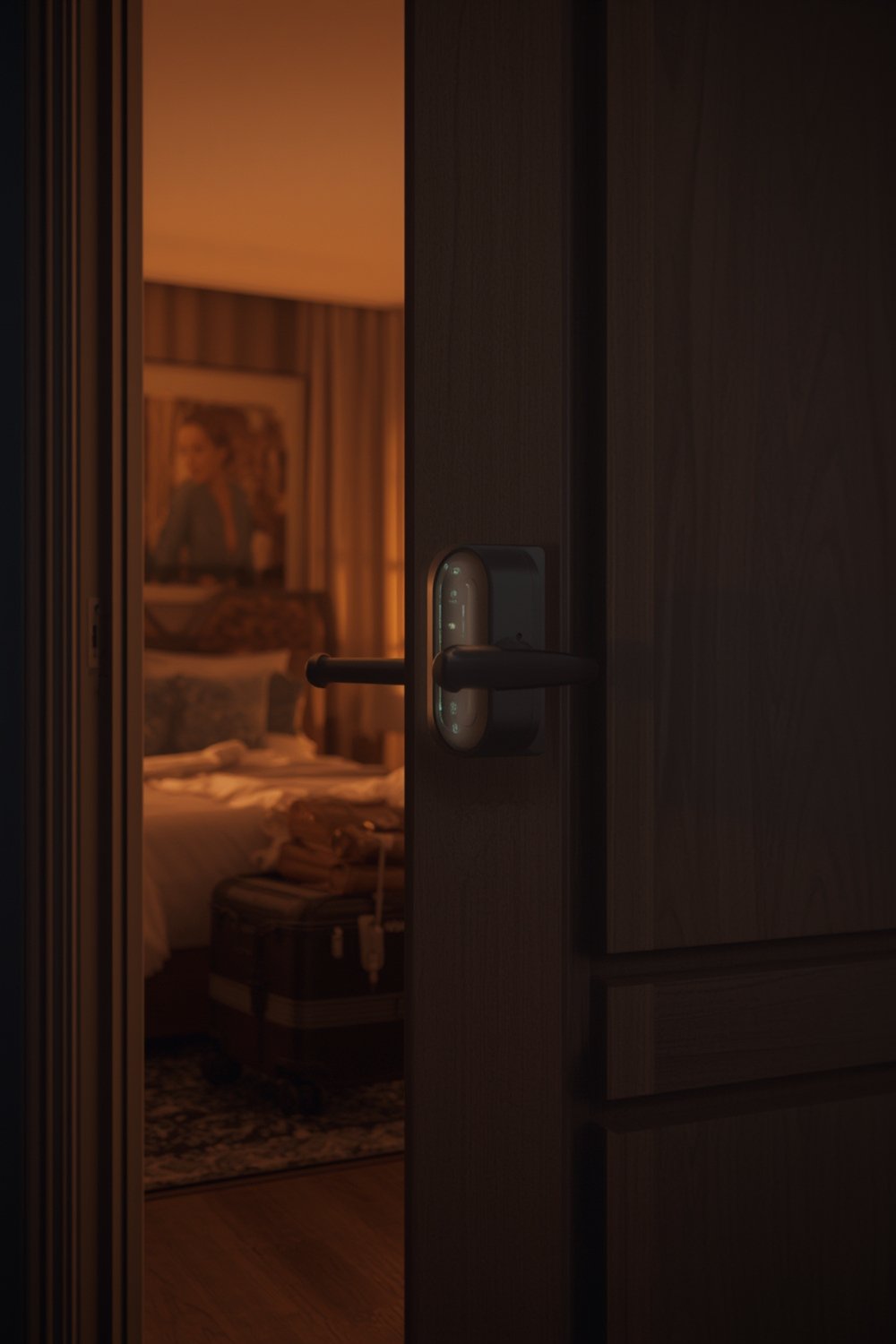
From simple wedge alarms to high-tech motion-sensing models, these devices are designed for travelers who don’t trust a single lock—especially when millions of hotel locking systems have proven hackable in recent security tests. Even the best digital locks aren’t immune to bugs or “inside job” risks from staff. Portable door alarms give you a quick and effective layer of early warning you control, not the property owner or staff.
Travelers increasingly view them as “table-stakes” security gear, right alongside smart jewelry and nomadic safety kits, especially for solo trips and unpredictable destinations.
How to Set Up and Use a Travel Door Alarm: Step-by-Step
Getting maximum protection from your travel door alarm is about proper placement, quick activation, and always having backup power. Here’s a field-tested step-by-step for fail-proof setup:
- Test before your trip. Unpack it at home, insert batteries if needed, and simulate a trigger to verify it’s working and loud enough. Practice removing and installing batteries so you’re not caught off guard in an emergency.
- Scout the door type on arrival. Not every alarm fits every entryway. Wedge alarms are best for inward-opening doors. Loop alarms work for most double doors and sliding doors. If you’re staying in a shared hostel, measure the gap under your door beforehand.
- Place the alarm before bed or when away. Wedge alarms go at the base, facing inside. Other styles hang from the doorknob or attach via adhesive pads or clips. Engage the activation switch so it is live the moment the door moves, vibrates, or is forced open.
- Position for maximum volume. The loudest siren angle is usually with the speaker facing away from the wall or door, to prevent muffling. Avoid thick rugs or towels where wedge alarms can get squished and reduce sensitivity.
- Keep a backup battery ready. Most are powered by AAA or button-cell batteries. Always pack extras in your travel kit.
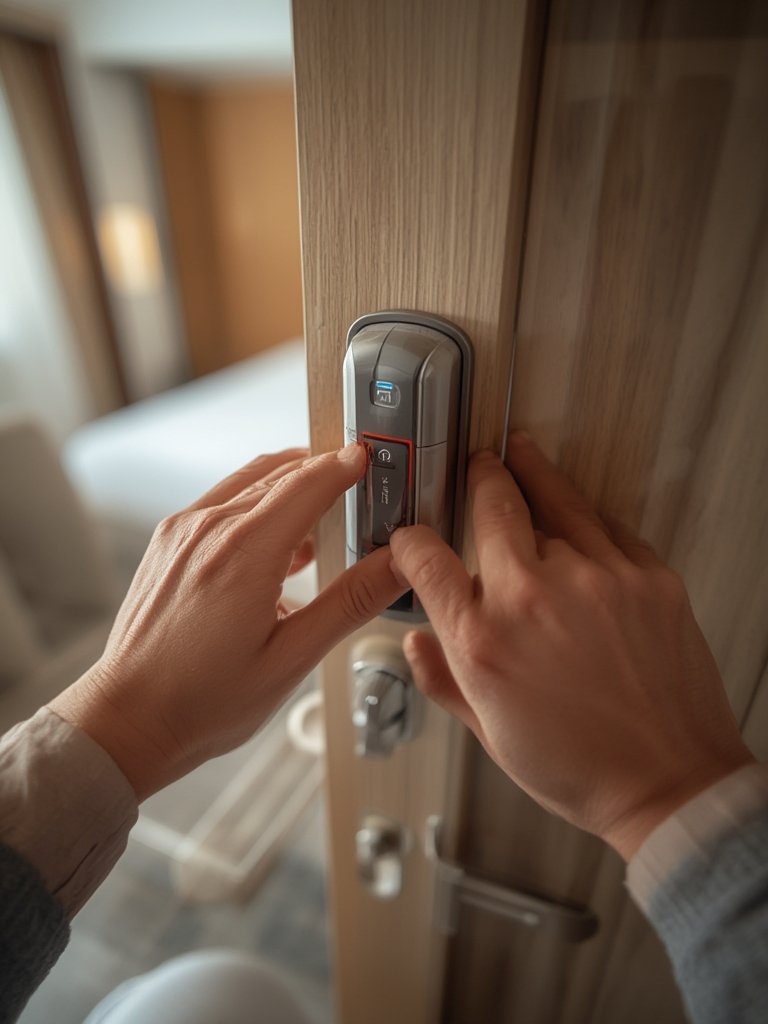
Some alarms take just 10 seconds to deploy or remove—easy to pack every night even if you shift hotels daily. Rechargeable models now exist but battery types remain most failsafe (no need to hunt for a USB charger when traveling).
If using in a shared Airbnb or hostel, always tell your roommates so you don’t cause a false alarm. In high-traffic areas, consider a model with adjustable sensitivity to reduce unintentional triggers.
Proactive travelers fold these steps into a simple checklist, creating instant peace of mind wherever they sleep. For more tips on turning any hotel room into a safer retreat, see our hotel room security setup guide.
Advanced Analysis and Common Pitfalls
Even the best travel door alarm isn’t magic. Here’s what research and real traveler feedback reveal about their performance, limitations, and what to expect:
- Compatibility varies: The most common complaint is alarms not fitting under thick hotel doors or not sticking to non-standard Airbnb doors. Wedge alarms only work for inward-opening doors—double-check your lodging before relying on one device only.
- False alarms in shared spaces: Sensitive models can trigger when a roommate or cleaning staff jiggles the door. In hostels, some users silence their alarm too quickly out of embarrassment, reducing its value as a true deterrent.
- Some models are not loud enough: Anything under 95dB may not be heard through thick hotel walls or by nearby guests, making it less useful as a real-world deterrent.
- Battery life varies widely: Cheaper models may drain quickly, especially if left activated all day. Always travel with fresh spare batteries, or choose a model with a low-battery warning signal.
- Advanced features raise new risks: Alarms with Wi-Fi or Bluetooth can be more versatile, but may raise privacy concerns or add points of failure. Simpler mechanical siren models rarely fail and present fewer cybersecurity risks.
| Model Type | Loudness (dB) | Battery Type/Life | Fits These Doors | False Alarm Rate | Best Use Case |
|---|---|---|---|---|---|
| Classic Wedge Alarm | 110-120 | AAA / 3-6 months | Inward-swing, hotel | Medium | Hotel rooms |
| Sensor/Loop Alarm | 100-110 | Button cell / 1-3 months | Double/sliding/hostel | Low | Airbnbs & hostels |
| Wi-Fi Enabled Alarm | 100-115 | Rechargeable / varies | Universal | Low to Medium | Long stays/smart homes |
For solo female travelers or anyone prioritizing peace of mind, we recommend pairing your alarm with a personal safety kit and reading up on extra room safety hacks—not relying on hardware alone.
The explosion in hotel cyberattacks—82% of hotels hit in 2024—creates operational chaos, sometimes leaving locks offline or making staff distracted. Portable alarms remain fully functional during blackouts or systemic failures. For multi-layered safety (especially in regions or properties with poor guest reviews), a travel door alarm simply makes sense.
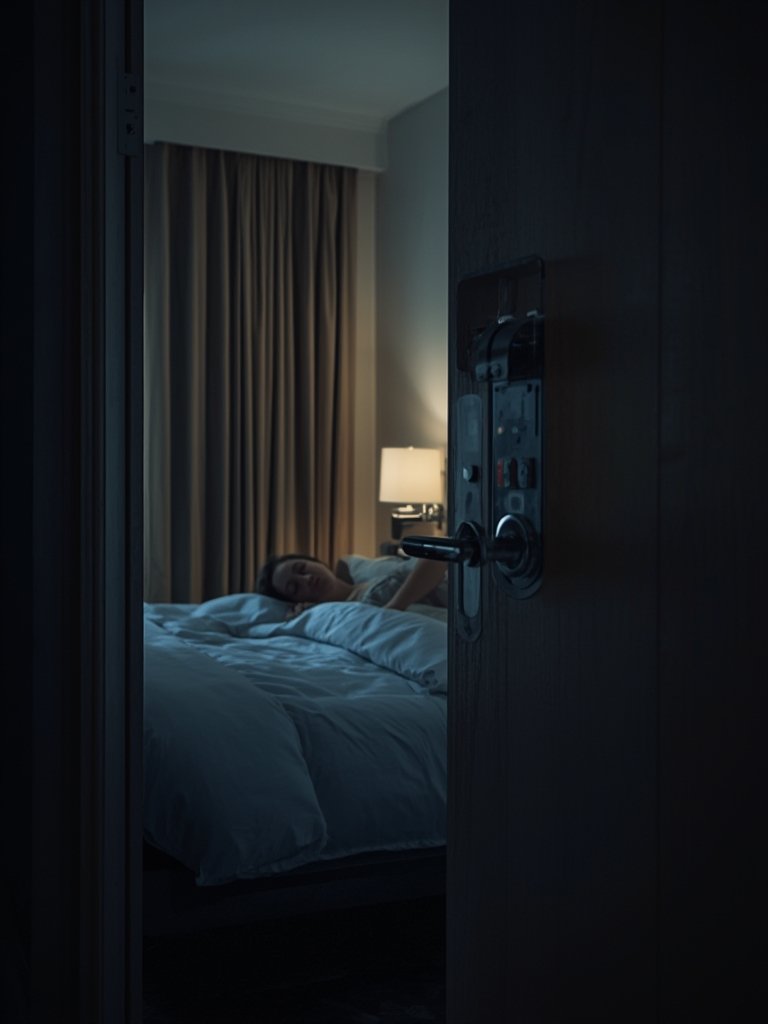
It’s also worth noting that while some guests think of these devices mainly for hotels and resorts, coverage for solo tours, hostels, or quirky Airbnb listings is even more critical—where staff checks, “master” keys, or shared spaces raise risk and reduce privacy.
If you’re weighing whether to invest, consider the rise in hotel data breaches and system failures. These incidents can leave rooms unlocked and staff too overwhelmed to respond quickly to intrusions. A personal alarm adds an essential self-managed warning layer, regardless of the property’s security protocols.
Conclusion
As travel security concerns rise worldwide, a travel door alarm is no longer a luxury—it’s standard equipment for anyone serious about safe, low-stress lodging. Choose a model that matches your destination, door style, and noise tolerance. Back it up with practical safety routines, and always read real-user reviews before buying. Protect your peace of mind with the travel door alarm that’s right for your journey. Want more actionable safety tips? Check out our complete solo travel safety guide and personal safety plan best practices. Safe travels start with smart habits—take action now.
Frequently Asked Questions
Do travel door alarms work on all types of doors?
Most alarms work best on standard inward-opening hotel doors. For sliding doors or outward-opening entries, look for loop-style or vibration sensor alarms for best compatibility.
Are travel door alarms legal to use in hotels or Airbnbs?
Yes, portable alarms are legal to use in nearly all countries, as they do not damage hotel property and only alert the guest. Always confirm property rules for shared hostels.
How loud should a travel door alarm be?
Choose an alarm rated above 100dB for guaranteed effectiveness. Quieter models may not wake you up or attract attention if you’re sleeping deeply or in a noisy environment.
What batteries do these alarms use, and how can I ensure they don’t fail during my trip?
Most use AAA or button cell batteries. Test before you pack, and always bring spare batteries for multi-night stays or long trips.
Can I use a travel door alarm together with other security tools?
Absolutely. Combining an alarm with a portable door lock and a hidden camera detector maximizes both physical and privacy protection in unfamiliar accommodations.