
Travel safety checklist — having one can be the difference between a smooth trip and a travel nightmare. Every year, millions of travelers face avoidable risks, yet most do not act until after a problem. The right checklist is your shield against accidents, theft, unwanted surprises and stress.
Key Takeaways
- A travel safety checklist reduces your vulnerability and improves confidence on any journey.
- 2024 air travel saw increases in flight accidents and fatal incidents, highlighting ongoing risk, especially in certain regions [source].
- Smart gear (portable locks, RFID wallets, hidden camera apps) and knowledge are essential parts of modern travel security—don’t rely on luck.
- What Is a Travel Safety Checklist? Why Does It Matter?
- Step-by-Step: Building & Using a Travel Safety Checklist
- Advanced Analysis & Common Pitfalls
- Conclusion
- FAQ
What Is a Travel Safety Checklist? Why Does It Matter?
A travel safety checklist is a structured list of everything you need to do, pack, and prepare for safe travels. It covers essentials like protecting valuables, preparing documents, securing accommodations, and anticipating both common and rare threats. In 2024, risks are real: the International Air Transport Association (IATA) reported an all-accident rate of 1.13 per million flights and seven fatal airline accidents this year, up from just one last year (source). While air crashes are rare, other threats like theft, scams, hotel entry break-ins, and privacy violations (e.g., hidden cameras) remain common.
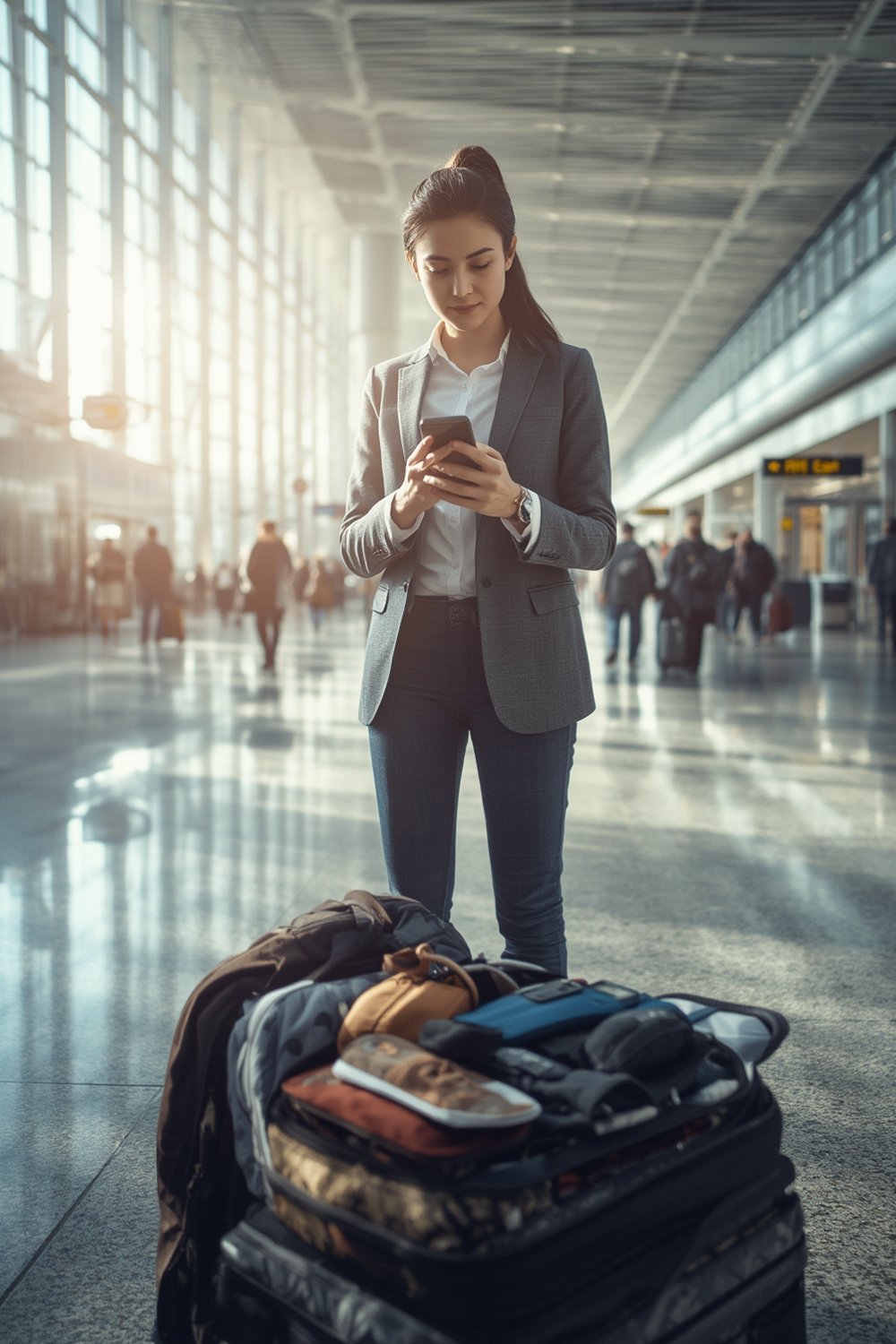
Most disasters are preventable. A travel safety checklist helps you avoid forgotten steps—like setting up a portable door lock in your hotel (see best travel locks), checking for RFID skimmers at ATMs, or confirming emergency contacts work abroad. The checklist acts as your safety net and mental stress reducer, so you can explore instead of worry.
Step-by-Step: Building & Using a Travel Safety Checklist
Creating a travel safety checklist isn’t just copying a downloadable template. You need a tailored approach, considering destination risk, personal needs, and current threats.
Here’s a step-by-step checklist for safer travel:
-
Secure travel documents and backups:
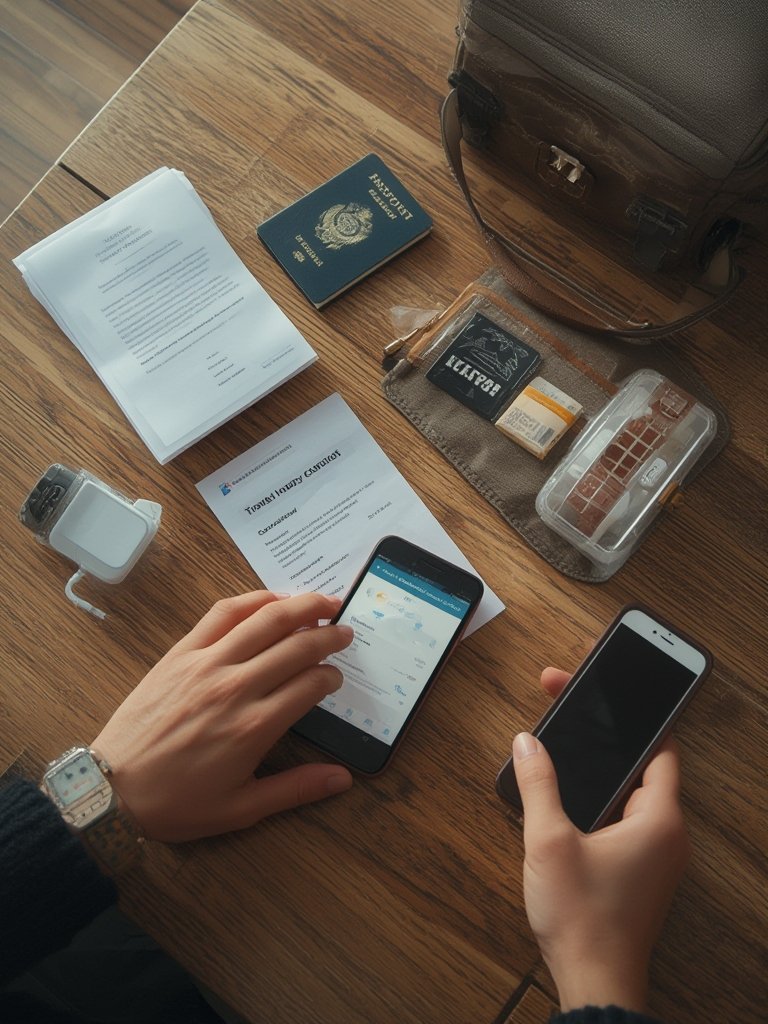
- Scan and save copies (paper & digital) of passport, visa, travel insurance, and key medical info.
- Store originals and copies separately.
-
Protect your physical valuables:
- Use an anti-theft backpack with RFID-blocking pockets.
- Carry a RFID-blocking wallet to reduce digital skimming.
- Leave valuables you don’t need at home.
-
Choose safer accommodations:
- Confirm hotel or rental reviews mention security.
- Pack a portable door lock and travel alarm, especially when staying in unfamiliar hotels or Airbnbs.
- Upon arrival: check door and window locks, and scan for hidden cameras using trusted detector apps.
-
Plan for medical and emergency access:
- Carry your own basic first aid kit and any prescription meds in their original packaging.
- Know the local emergency number and embassy contact for your country.
- Save a PDF of insurance and key contacts on your phone for offline access.
-
Prepare for solo or high-risk travel:
- Share your itinerary with someone you trust and set regular check-ins.
- Consider a specialized kit for solo/female travel: includes door alarms, personal defense tools, and inconspicuous safety apps (keychain personal alarms work for all travelers).
- Map out safe areas and transport options ahead of time (read public transport safety tips).
-
Be aware of tech-based threats:
- Scan rooms for Hidden camera detector app or GPS trackers as soon as you arrive (get app guide here).
- Avoid free, unsecured public Wi-Fi; use a VPN or only access sensitive sites via your mobile network.
- Disable Bluetooth and AirDrop in public places unless needed.
-
Stay alert to evolving hazards:
- Monitor global safety and airline performance via IATA, FlightGlobal, or EASA updates (see 2024 report).
- Download emergency mapping and alert apps for the countries you visit—many offer localized incident alerts and guidance.
Don’t just print a static checklist; review before every trip, adjust for location and type of travel, and add any items based on your personal health or regional risks.
Advanced Analysis & Common Pitfalls
Even experienced travelers get surprised. Here’s where most travel safety checklists fall short:
- Ignoring local laws and customs: Some countries have strict rules on items like self-defense sprays, certain medications, or types of locks. Always check local regulations to avoid border problems.
- Over-reliance on mobile devices: If your phone is stolen or loses power, only digital backups won’t help. Always have some printed essentials.
- One-size-fits-all checklists: Most downloads miss hazards for your actual destination or itinerary—like altitude risks, tropical diseases, or tech-based scams. Customization is critical.
- Complacency after the first trip: Using a checklist just once, and then neglecting it, increases risk as environments, laws, and threats evolve.
Let’s compare checklist items that most people include versus those most likely to be forgotten or skipped:
| Common Checklist Items | Crucial But Overlooked |
|---|---|
| Passport & flight tickets | Portable door lock for hotel security [how to secure hotel doors] |
| Cash & credit cards | Hidden camera detector app (get details) |
| First aid kit | Backup documents in separate location |
| Phone & chargers | List and offline copies of emergency contacts |
| Travel insurance policy | Customizing checklist for destination risks |
| Maps/navigation apps | Testing safety apps and tools before departure |
According to IATA, 2024 saw most aviation accidents in Africa (rate: 10.59/million sectors), while Europe’s most frequent mishaps were tail strikes and runway excursions [details]. While airline fatality risk remains low, risks on the ground (theft, health, tech threats) still demand traveler vigilance.
Conclusion
A strong travel safety checklist is more than a routine—it’s a critical step for stress-free, secure journeys. 2024 data shows real threats still exist in air and ground travel, with region-specific risks and a rising trend in tech-based incidents. Don’t gamble on luck. Create your own travel safety checklist, update it per trip, and equip yourself with modern tools and information.
If you want more practical tips, read our nomadic security guide, discover the latest solo travel safety tips, or browse travel door lock reviews to level up your next adventure. Don’t leave home without your travel safety checklist—your peace of mind is worth it.
FAQ
Do travel safety checklists really reduce the risk of problems while abroad?
Yes, a checklist helps you prepare for common and uncommon threats, ensuring you don’t overlook vital safety steps. Most real-world issues stem from missed items or forgotten precautions—having a structured list dramatically reduces those gaps.
What if I travel to different countries—do I need a new checklist every time?
It’s best to customize your checklist for each destination. Laws, health requirements, and physical risks differ by country—make sure to add items relevant to your itinerary before every trip.
What’s the average cost to build a travel safety kit?
Exact prices vary, but basic essentials (portable door lock, RFID wallet, personal alarm, first aid, and safety apps) usually total $80–$250. Specialized or high-tech gear costs more but can be bought individually as needed.
How do I check if my hotel room is really safe?
Upon entering, inspect the door and window locks. Use a portable lock or travel alarm for extra security and quickly scan for hidden cameras using a detector app. For more detailed guidance, see our hotel security checklist.
Are downloadable checklist templates enough?
Templates are a good start, but you should always personalize them. Add regional threats, personal health needs, and consider evolving tech-based risks. The most effective checklist is always tailored, not generic.