
TSA approved luggage lock use is fast becoming essential for travelers who want both convenience and compliance. Whether you fly for business or leisure, understanding how these locks work and what sets them apart will save you time, prevent damage to your bags, and keep your belongings more secure.
Key Takeaways
- TSA approved luggage locks allow airport security to inspect checked bags without breaking your lock or damaging your luggage.
- Combination locks dominate the market for their convenience and affordability, but biometric and smart locks are fast-growing premium options.
- Many competitor guides overlook practical maintenance, lock-setting instructions, and unbiased brand comparison tables.
- What is a TSA Approved Luggage Lock and Why Does It Matter?
- How to Choose, Set, and Use a TSA Approved Luggage Lock: Step-by-Step
- Advanced Analysis: Pitfalls, Brand Comparison & Real-World Issues
- Conclusion
- Frequently Asked Questions
What is a TSA Approved Luggage Lock and Why Does It Matter?
A TSA approved luggage lock is a specialized lock designed to let airport security agents open and re-lock checked luggage if an inspection is needed. Instead of cutting your lock or damaging your bag—common with standard locks—TSA agents use a special master key to access your luggage.
With over 8 billion air travelers expected annually by 2028, and US regulations requiring accessible checked luggage, these locks are now a must-have for anyone checking a bag [source]. Choosing the right lock ensures that your belongings are protected without risking destroyed zippers or broken locks during security inspections.
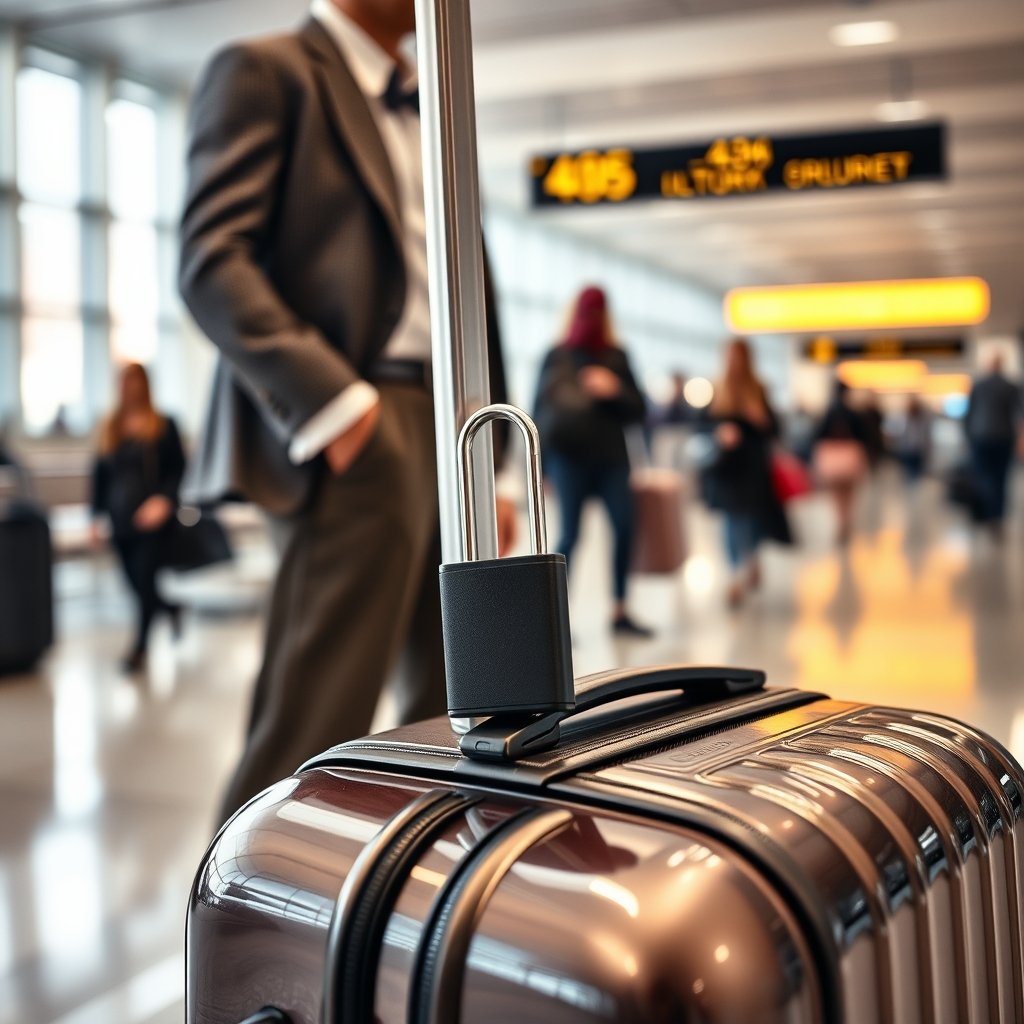
TSA approved locks align with standards not just in the US, but are also accepted in several countries where similar airport security protocols are in place. If you use a non-TSA lock during international travel, there’s a much higher chance it will be forcefully removed at security checks, costing you both time and money.
For travelers concerned about personal safety, pairing a TSA lock with tools like a portable door lock or a travel safety checklist further improves your overall peace of mind.
How to Choose, Set, and Use a TSA Approved Luggage Lock: Step-by-Step
- Decide Which Type of Lock Fits Your Needs
- Combination Lock: Most popular for cost and no need for a physical key.
- Keyed Lock: Simple but less convenient since losing the key is a risk.
- Biometric/Electronic Lock: Best for tech-savvy users and frequent flyers.
- Cable Lock: More versatile for awkward zipper placements or larger cases.
- Smart Lock: Premium, with features like remote app control (fastest-growing segment).
Top-selling locks in 2024 remain classic combination units, but biometrics and digital options are on the rise [source].
- Check for the Right Certification & Marking
- Look for a red diamond symbol (Travel Sentry) or “TSA Approved” branding.
- Don’t use regular padlocks — these will not be accepted and may be broken at inspection.
- Follow the Manufacturer’s Lock-Setting Procedures
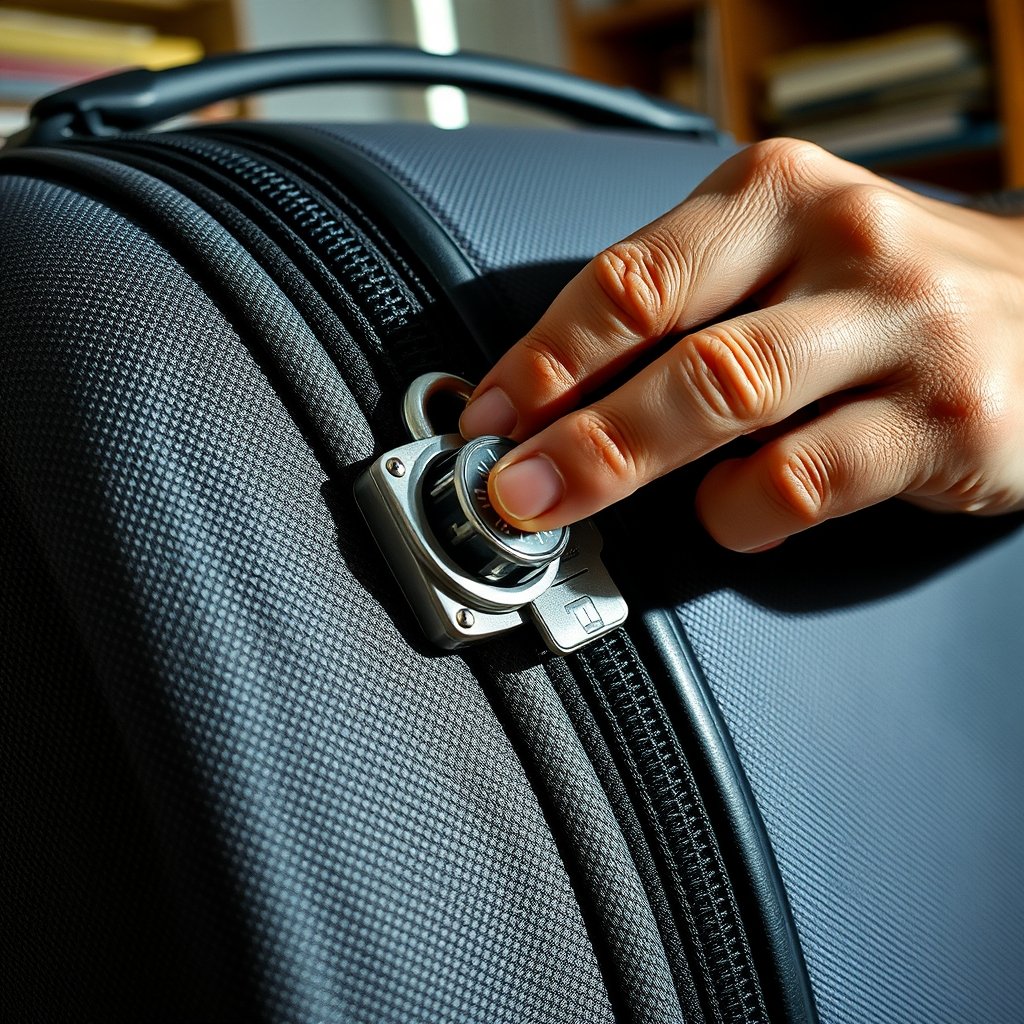
- Set your own combination immediately—most locks ship with a factory default of “000.”
- Instructions usually involve holding down a reset button or lever while changing digits.
- Choose a memorable number, but avoid obvious sequences (like 1-2-3) for better security.
💡 Pro Tip: Photograph your lock and write down your combination in a phone note or an offline travel notebook. This saves you panic at your destination.🔥 Hacks & Tricks: If your bag has double zippers, run a single cable lock through both sets for extra protection—and consider using two lock styles to confuse opportunistic thieves. - Attach the Lock Properly
- Secure both zipper pulls, or any entry points, to keep your bag tightly closed.
- For suitcases with built-in locks, test it before reaching the airport to prevent last-minute surprises.
- Some travelers use lock tags in addition for easier identification at baggage claim. Combine this with anti-theft travel backpacks for maximum deterrent against tampering.
- Know TSA Rules & Airport Specifics
- TSA only inspects checked baggage. For carry-on, locks are optional but recommended.
- Other regions (like parts of Europe and Asia) accept TSA-style locks, but check regulations for your itinerary.
TSA approved locks do not make your bag “immune to theft”—but they ensure you’ll avoid damage and meet airline compliance requirements.
For extra travel security, some solo travelers add alarms or layer their protection strategy with a personal safety alarm for women or RFID-blocking wallets on long international trips.
Advanced Analysis: Pitfalls, Brand Comparison & Real-World Issues
Market trends from 2024 show TSA approved luggage lock sales reaching $1.2–$1.4 billion, and growth driven by regulatory mandates, the surge in post-pandemic air travel, and growing traveler security consciousness. But what are the downsides and critical mistakes many people make?
Common Pitfalls
- Forgetting Your Combination: User error is the most frequently reported headache. If you lock your own bag and forget the code, recovery is nearly impossible without tools or professional help.
- Poorly Built Budget Locks: Ultra-cheap models may jam, fail to lock securely, or snap open under pressure. Avoid no-name or imitation brands with questionable Amazon reviews—sometimes these break after one trip.
- Misunderstanding What “TSA Approved” Means: These locks protect you from forced entry by inspectors—not from determined thieves. A lock is mainly a deterrent, not a guarantee.
- Overlooking Maintenance: Most travelers never clean, oil, or inspect their locks, leading to increased jamming and broken mechanisms over time. Regular maintenance significantly extends lock lifespan.
- Assuming International Acceptance: Not all airports outside North America observe the same TSA master key protocols. Always check the rules at your destination.
Brand & Type Comparison Table
| Lock Type | Advantages | Downsides | Best For |
|---|---|---|---|
| Combination TSA Lock | Affordable, no keys, easy to reset, widely accepted | Can be forgotten, budget options may jam or break | Most travelers, budget-friendly |
| Keyed TSA Lock | Simple operation | Risk of lost keys, less convenient, hard to replace | Occasional travelers, backup use |
| Biometric TSA Lock | High tech, no keys/codes needed, fast access | Expensive, battery reliant, risk of malfunction | Frequent flyers, tech users |
| Smart/Electronic TSA Lock | App control, alerts, remote locking | Very expensive, battery reliance, compatibility issues | Business travelers, those seeking cutting-edge protection |
| Cable TSA Lock | Versatile for awkwardly placed zippers, larger luggage | Can be bulkier, not ideal for small bags | Adventure travel, large duffels, backpacks |
Still comparing value? Check our detailed Addalock review for a breakdown of portable lock pros, or combine a lock with digital monitoring tools like the Airtag scan detect & tracker app for double layer tracking of your checked luggage.
Pricing: High-End vs. Budget TSA Approved Locks
- There’s a wide price spectrum. Combination locks start at a few dollars apiece, while smart or biometric TSA locks can cost $30 to $100 or more. Maintenance costs remain low, and there are no “hidden fees” if you buy from established retailers [source].
- Premium digital locks are ideal for frequent flyers or those with valuable gear but can be overkill for infrequent travelers.
Essential Maintenance Tips
- Clean the lock with a soft cloth after each trip and periodically lubricate using a graphite or Teflon-based product to avoid jamming.
- Inspect locking mechanisms and test before every trip.
- Store your spare keys (for keyed models) in a separate, secure place from your bag.
Want even more security tips for every stage of your journey? Our hotel room door security guide is packed with travel-tested advice.
Conclusion
A robust, reliable TSA approved luggage lock is mandatory for safe, hassle-free travel in 2024 and beyond—especially for checked baggage across North America and destinations with similar security protocols. Choose your lock wisely, follow maintenance and setup procedures, and leverage the lock as part of a bigger travel security toolkit. Ready for your next trip? Invest in the right TSA approved luggage lock today, and give yourself peace of mind every time you check a bag.
Take action now: Review the lock setup guide above, test your lock before your next flight, and explore our other travel security tips for an all-around safer journey.
Frequently Asked Questions
What makes a lock “TSA approved”?
TSA approved locks can be opened by security officers using a universal master key. This lets agents inspect luggage without damaging the lock or suitcase. Non-TSA locks may be cut off if an inspection is needed.
Are TSA locks more secure than regular locks?
TSA locks are no safer from theft than regular locks, but they prevent forced entry by security staff during baggage inspections. Both types act as basic deterrents rather than strong anti-theft devices.
Can I use a TSA approved lock on carry-on bags?
Yes, you can use TSA approved locks on carry-on bags, but they’re mainly recommended for checked luggage since security can inspect your carry-on in person. Locking your carry-on can still deter theft and tampering at busy airports.
What should I do if I forget the combination to my TSA lock?
Check the original packaging or paperwork for reset instructions. Some locks allow code resets if left open; otherwise, contact the manufacturer. If locked shut, you may need to cut it off and replace it.
How often should I maintain my TSA luggage lock?
It’s best to inspect and clean your lock after every major trip. Lubricate as needed and test functionality before each use to avoid jams or stuck zippers on the road.
—