

Window lock for travel is a must-have for travelers who want more control over their safety in unfamiliar hotels, Airbnbs, or vacation rentals. With rising concerns around unauthorized entry, having your own portable window lock can mean the difference between a restful night and vulnerability.
Key Takeaways
- Portable window locks give travelers more security control in hotels, Airbnbs, and rentals.
- Installation is quick but requires choosing the right style for your window type.
- Lack of oversight on guest-installed locks means travelers should balance security with legal and emergency considerations.
- What Is a Window Lock for Travel and Why Use One?
- How to Secure Your Rental with a Portable Window Lock: Step-by-Step
- Problems, Pitfalls, and Real-World Analysis
- Conclusion: Should You Bring a Window Lock for Travel?
- FAQ: Portable Window Locks for Travel
What Is a Window Lock for Travel and Why Use One?
A window lock for travel is a portable window lock mechanism that prevents windows in hotels, Airbnbs, or rentals from being opened from the outside—or sometimes at all. Unlike travel door locks, these are small devices (often clamp-based or adjustable latches) that you quickly install and remove without any permanent change to the window or property.

Why do travelers bring their own? Studies link short-term rental stays to temporary spikes in neighborhood crime, with burglary risks rising in properties that cycle new guests frequently (read study). While no precise statistics exist for window entry, Airbnb guest reviews mentioning crime lead to sharp drops in bookings and guest confidence (source). Many travelers—even in nice hotels—report anxiety about unlocked or poorly secured windows, especially in ground-level or easily accessible rooms.
If you care about privacy and physical safety, bringing your own window lock is one of the few actions you can directly control—no need to trust old hardware or ask the host for permission.
For a full review of door security options (locks, alarms, barricade bars), see our practical hotel room door security guide.
How to Secure Your Rental with a Portable Window Lock: Step-by-Step
Installing a travel window lock is simple, but there are crucial details you shouldn’t overlook. Here’s the proven process, regardless of window type (slider, sash, or casement):
- Choose the right portable window lock: Generic clamp-style locks fit most horizontal or vertical slider windows. Adjustable bar types also block window opening—but measure in advance to confirm compatibility. Note: Some windows (older sash or crank designs) may need a specialized solution.
- Inspect the window frame and track: Clean out dust or grit, and make sure the track is solid. Portable locks often need a friction fit to work reliably.
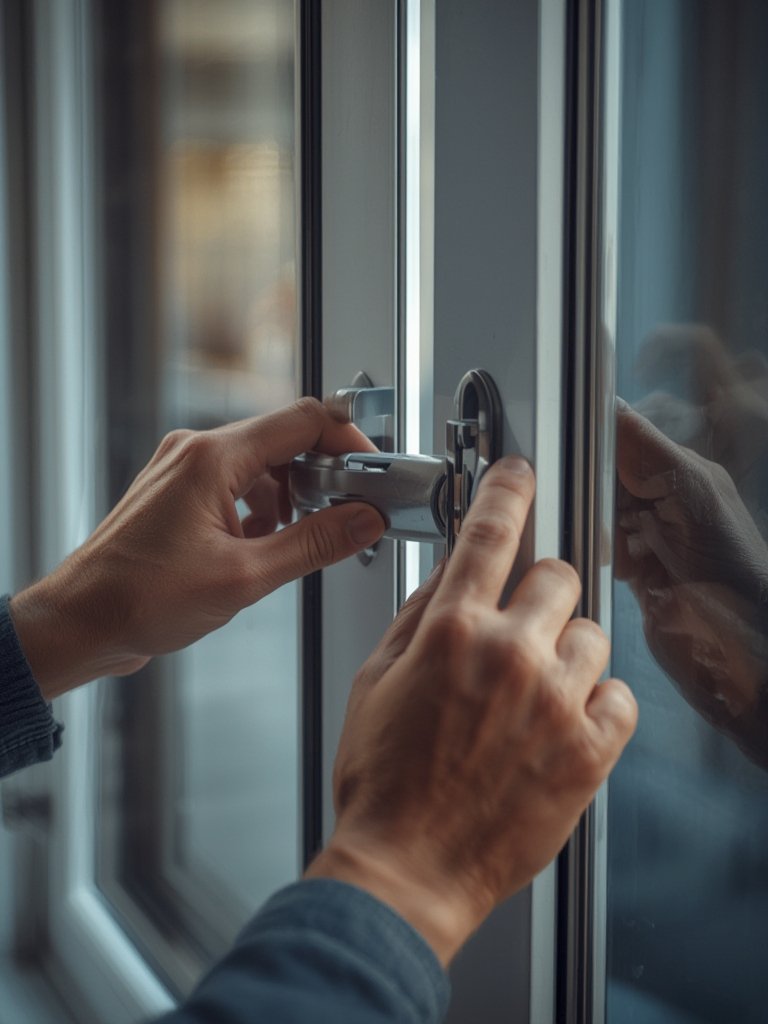
- Position the lock: For clamp types, align on the window track or frame and tighten firmly by hand. For bar types, set the bar length so it’s snug against the window and frame.
- Test it: Gently try to open the window to ensure the lock holds. Repeat on every window you wish to secure—don’t assume uniform fit or performance.
- Decide on visibility: Some travelers prefer visible locks as a deterrent; others want them discreet if hosts are sensitive about modifications.
- Set a reminder: Always remove and pack your window locks before check-out to avoid disputes with hosts or cleaning staff.
- Don’t compromise safety: Never install a lock so secure that it would prevent you (or children) from opening the window in an emergency, such as a fire. A window lock should delay an intruder—but never trap you inside.
For a broader travel safety setup, many combine window locks with a portable door lock or travel door alarm for multi-layered security. Solo travelers can find even more actionable advice in our Solo Female Travel Security Kit.
Problems, Pitfalls, and Real-World Analysis
Portable window locks promise peace of mind, but it’s important to be realistic about their limitations and implementation issues.
| Potential Problem | Impact | What You Can Do |
|---|---|---|
| Poor compatibility with window type (sash, casement, or slider) | Lock won’t fit or function. May fall off or be easily bypassed. | Research window design before your trip. Bring multiple lock styles if uncertain. |
| Weak or damaged frames | Lock offers very limited real security. | Test frames on arrival. If weak, add makeshift reinforcement (e.g., wedge, chair), or request a new room/fix from host. |
| Legal or host policy issues | Some hosts object to any guest modifications, even temporary. | Hide locks when leaving the room, or discuss discreetly if you notice security deficiencies. See more on Airbnb’s enforcement policies here. |
| Overconfidence or false sense of security | Relying entirely on your lock may cause you to ignore other vulnerabilities. | Always combine with habits like shutting curtains, locking doors, hiding valuables, and using other tech (see hidden camera detector app guide). |
| Emergency egress hazard | Window lock blocks your primary fire escape route. | Never install on your emergency exit window. Review fire escape routes every stay. |
There’s no perfect lock for every travel scenario. Reviews of window locks are limited—many travelers simply don’t report problems until after an incident. Yet safety perceptions significantly affect which rentals get rebooked (source). Airbnb, for example, removed over 400,000 low-compliance listings between 2023-2024 and stepped up background checks, but guest-installed security devices still operate in a gray area (see report).
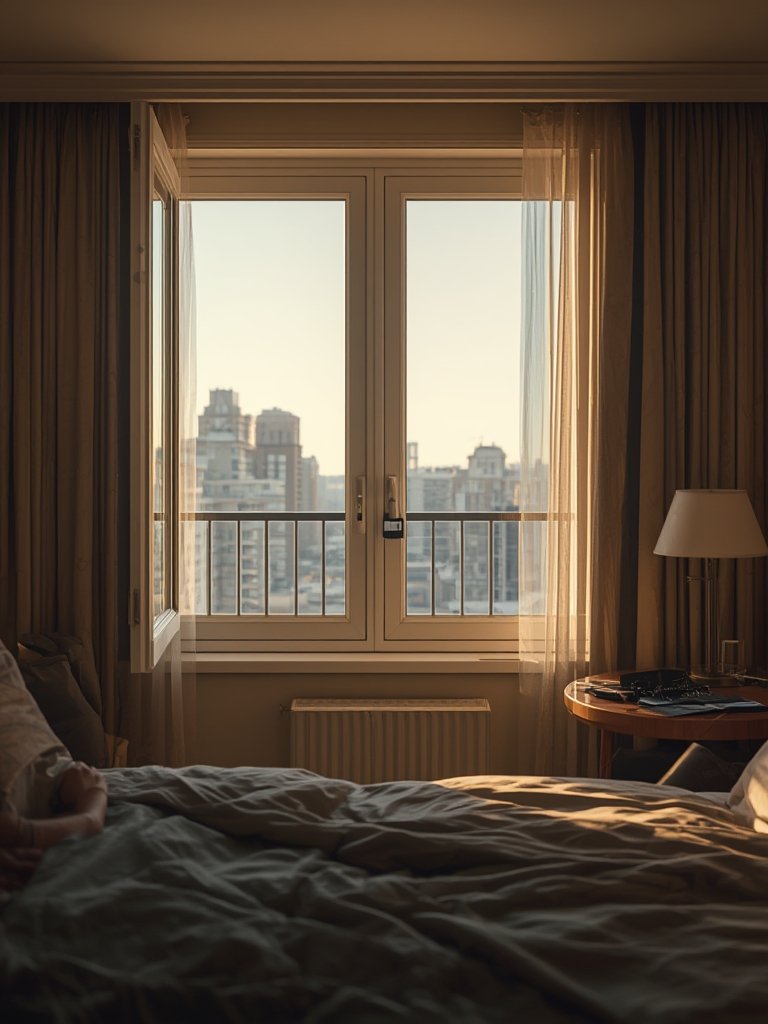
Be sure to read your host’s policies and local laws. If you’re traveling with children, prioritize child safety as some window locks can pose choking or pinching risks if handled improperly.
For more advanced guides and security gear roundups (including RFID wallets and anti-theft backpacks), see our complete travel safety checklist.
Conclusion: Should You Bring a Window Lock for Travel?
The research is clear—while precise crime statistics for window entry are lacking, guest safety concerns are enough to change travel behavior and booking patterns. A portable window lock for travel is a practical, affordable way to regain control over your safety without relying on hosts or outdated hardware.
Always balance security with practicality. Test your lock, avoid blocking emergency exits, and combine with other safety tools for maximum peace of mind.
Ready to protect your peace of mind? Pack a portable window lock for travel on your next trip—and explore our other safety guides to build a full defense plan. Learn more here.
FAQ: Portable Window Locks for Travel
Do portable window locks fit all types of windows?
Most generic locks work with slider windows, but not all fit sash, casement, or crank styles. It’s best to bring multiple lock types if you’re unsure of the window design at your destination.
Are portable window locks allowed in hotels and Airbnbs?
Most hotels and hosts do not explicitly ban portable window locks, but it’s safest to check property rules or use locks that don’t leave marks or damage. Always remove any security devices before checking out.
Can using a window lock for travel violate local laws?
Laws rarely restrict bringing your own lock, but some cities have rules about modifying rental properties—even temporarily. Read property and local guidelines, especially outside your home country.
Is it safe to use a window lock in rooms with children?
Yes, but ensure locks are installed out of children’s reach and check for small parts that may pose a choking hazard. Always prioritize easy emergency egress.
What if my travel window lock doesn’t fit or fails?
If your lock doesn’t work, improvise with strong objects as wedges or talk to the host about adding security. For backup peace of mind, consider pairing with a travel door alarm or moving to a higher floor.