
Travel identity theft protection isn’t an abstract worry—it’s what stands between you and financial, logistical, and emotional havoc while abroad. But reliable data on identity theft while you travel is harder to find than you’d expect. Here’s what’s really known, where the evidence stops, and what practical steps you can take right now to protect yourself in 2024.
Key Takeaways
- Reliable 2024 data on travel-specific identity theft is essentially nonexistent—so prioritize broad, proven precautions and adapt to new tech changes in the travel industry.
- Expert recommendations agree: backup documents securely, protect devices, use VPNs, split your IDs/cards, and be proactive with financial alerts.
- New tech like biometric passports, digital ID pilots, and internet reservations heighten both convenience and electronic fraud risk—knowing how to opt out and recover is critical.
- Why travel identity theft protection matters — quick reality check
- The data blindspot: what the research actually shows (and doesn’t)
- Where thieves target travelers — likely hotspots and document types (inferred guidance)
- Real traveler pain points and recovery headaches (what victims report)
- RFID-blocking travel products — benefits, common complaints and limitations
- Cost vs. value: how much do RFID wallets, passport covers and safety devices cost?
- Expert-verified methods to prevent identity theft while traveling (actionable checklist)
- New tech and policies shaping passport theft prevention in 2024
- What leading competitor articles miss — three critical subtopics to expand
- Practical packing list and travel-day routines to reduce risk
- If the worst happens — step-by-step recovery plan abroad
- Final takeaways and reader resources (templates & links)
Why travel identity theft protection matters — quick reality check
Identity theft at home is stressful. On the road or across borders, the disruption multiplies: lost passports, financial shutdown, access to funds frozen, and the emotional toll of trying to prove who you are to officials who’ve never met you. Compounding this: if you’re looking for reliable 2024 statistics that isolate travel identity theft from general numbers, you’ll find the evidence stops short. For now, travelers need to work with indirect signals and precautions—because the impacts of losing your identity abroad, even by accident, are real and deeply disruptive.

The data blindspot: what the research actually shows (and doesn’t)
There is no reliable data found for 2024 on identity theft incidents involving travelers, including location or targeted documents. Most available studies lump all identity theft together—including online shopping fraud, stolen mail, and domestic issues. For you, the traveler, that means headlines you may see about “soaring identity theft” don’t reflect the on-the-ground risks of crossing borders or dealing with a lost passport in a new country. It’s a blindspot that makes personal risk hard to quantify—but you can still act on what’s universally effective.
Where thieves target travelers — likely hotspots and document types (inferred guidance)
Even without definitive stats, seasoned travelers and experts broadly agree on high-risk zones: crowded airports, bus and train stations, busy tourist centers, and especially spots with unsecured public Wi-Fi. The most targeted documents? Passports top the list, followed closely by credit cards, smartphones (with payment or ID apps installed), and paper/printed travel documents. Protecting these increases both your physical and digital safety—so gear your defensive tactics to those environments, a smart practice for passport theft prevention and overall travel document safety.
Real traveler pain points and recovery headaches (what victims report)
Losing your identity abroad triggers a cascade of problems. The usual recovery process involves long waits at embassies or consulates (often with limited local language help), emergency passport replacement, potential cross-border banking freezes, and the stress of not knowing what’s happening to your data. Victims commonly cite:
- Difficulty securing replacement documents (passport, driver’s license).
- Frozen or fraudulent bank accounts and credit lines.
- Delays in getting home or continuing travel.
- High emotional impact, especially for digital nomads or business travelers on deadlines.
No reliable 2024 data found summarizing the frequency of these events—emphasizing why prevention should be prioritized.
RFID-blocking travel products — benefits, common complaints and limitations
RFID-blocking wallets and passport covers are popular for a reason: they promise peace of mind against digital pickpocketing (RFID skimming) in crowded places. Benefits include:
- Blocking most passive RFID scans targeting newer passports or cards with RFID chips.
- Easy to add to your travel routine.
However, verify their limitations. Common complaints and flaws include:
- Poor fit for international passports or multiple cards.
- Short durability—flimsy stitching or worn interiors.
- False sense of security: RFID attacks are rare compared to old-fashioned theft, and these blockers don’t help if your entire wallet gets stolen.
- No impact on non-RFID risks such as physical theft or phishing scams.
For an in-depth look at the pros and realistic limitations, see our RFID wallet and passport holder review.
Cost vs. value: how much do RFID wallets, passport covers and safety devices cost?
Based on typical 2024 pricing:
- Budget RFID wallets/covers: $10–$20
- Mid-range, branded models: $20–$45
- Premium/high-end, organizer-style: $45–$100+
Materials like leather or multi-layered synthetics boost price but don’t always equal better protection. Look for clear warranty terms, proven brand reputation, and confirmed compatibility with your passport size. Keep in mind that even the most expensive products don’t guarantee protection from all types of theft or loss—effectiveness depends on your overall travel document safety habits, not just the gear itself. For more on anti-theft travel products, read our anti-theft travel backpack guide.
Expert-verified methods to prevent identity theft while traveling (actionable checklist)
A comprehensive approach beats a single gadget. Law enforcement and most credible travel security advisors recommend these core strategies:
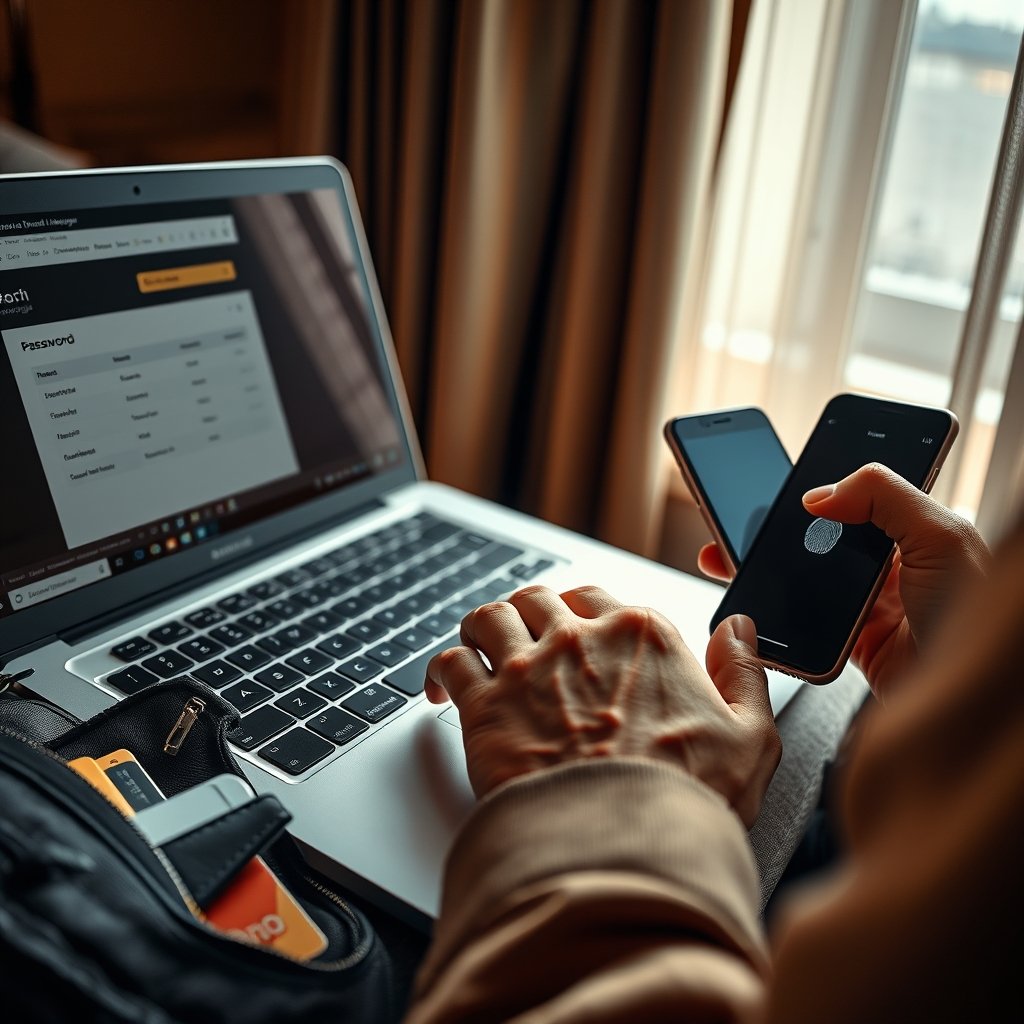
- Secure digital and paper backups: Scan your passport, key IDs, tickets, and store encrypted copies online (cloud storage with strong password and two-factor auth) and offline (secure USB or print copy, kept apart from originals).
- Enable two-factor authentication on all financial and important accounts before travel.
- Use a hard, lockable case or RFID-blocking sleeve or wallet—preferably one that fits snugly into an underclothes money belt.
- Plan for emergency passport replacement: Know the location and contact info for nearby embassies or consulates at your destination.
- Set up credit monitoring and fraud alerts for the duration of your trip.
- Practice safe cash, card, and ATM use: Use indoor ATMs only, shield PIN entries, never hand over cards out of sight.
- Always use secure Wi-Fi or a trusted VPN for financial or personal data online. Never transmit sensitive information over public hotel or café Wi-Fi.
For a downloadable, step-by-step safety checklist, see this travel safety essentials guide.
New tech and policies shaping passport theft prevention in 2024
Innovation is changing the travel identity theft protection landscape—both for better and worse. Concrete developments include:
- Biometric check-in: Airports including London Heathrow and Singapore Changi now use facial recognition and fingerprint-based systems for faster, more secure traveler verification.
- Blockchain-based digital passports: Digital ID pilots are underway, aiming to make forgery harder but raising personal privacy debates. See this FutureMarketInsights report for examples.
- Airline identity-protection integration: Loyalty programs from Delta and Lufthansa now include digital monitoring and protection for frequent flyers (against cyber theft and unauthorized transactions).
- Internet reservations and rising electronic fraud: IATA research shows over 60% of travel bookings in 2024 are made online, increasing risk of digital fraud and data phishing.
These changes bring new convenience but also new data privacy tradeoffs. Travelers should understand how to review, opt out, or request deletion of biometric data when possible. Expect more digital ID pilots to appear in coming months—watch for official opt-out instructions from airlines and border agencies.
What leading competitor articles miss — three critical subtopics to expand
Many articles recycle the same generic tips, but here are three crucial concerns often skipped:
- The evidence gap: assessing your personal risk without traveler-specific stats. Most guides cite generic identity theft numbers that don’t reflect risks abroad. Be proactive: consider the environments you’ll be in and tailor your defenses accordingly.
- Step-by-step recovery mechanics across borders: Know in advance how to contact your country’s consulate, what documentation they’ll need, and how to create a timeline for emergency passport and ID recovery if the worst happens abroad. Our practical hotel and document security checklist is a good start.
- Privacy tradeoffs of biometric/digital ID adoption: Understand what data is collected, how long it’s retained, and what rights you have to access or delete it. When possible, travelers can opt for manual document checks, though this may mean longer wait times.
No reliable 2024 data found to quantify these issues, underlining why awareness and personal prep matter.
Practical packing list and travel-day routines to reduce risk
- RFID-blocking sleeve or wallet (optional, not a cure-all—see this review)
- Hardcase passport holder to prevent both skimming and physical damage
- Secure wallet or money belt worn under clothes
- Print or encrypted USB drive copies of travel documents (kept separately from originals)
- Portable charger to keep phone and 2FA active
- Active VPN subscription for travel
On the travel day: Store originals in your carry-on, split cards and cash between two places, and use hotel safes for anything you won’t need that day. For extra ideas, check out our solo traveler security kit picks.
If the worst happens — step-by-step recovery plan abroad
Should your passport or identity documents be lost or stolen while traveling, act fast and methodically:
- File a report with local police—get written documentation (important for both embassy and insurance).
- Contact your home country’s nearest embassy or consulate for emergency passport issuance and a list of accepted proof-of-identity options.
- Notify your banks and credit card providers—request freezes or replacements as needed.
- Contact credit monitoring agencies and set up fraud alerts.
- Document every action—dates, locations, officials spoken with, and copies of correspondence.
- Contact your airline or travel insurer if you face delays, missed flights, or need emergency expense coverage.
Each country and embassy operates differently, but most will issue an emergency passport within several days to a week if you have police documentation and backup digital copies. Act fast to minimize the risk of fraudulent use of your documents, and get clear timelines for every replacement step. For more info on securing your valuables, see how to prevent hotel room theft.

Final takeaways and reader resources (templates & links)
Proactive travel identity theft protection boils down to verified preparation and vigilance. The lack of reliable 2024 incident data means you need to focus on practical, expert-backed routines, avoid relying on gadgets alone, and stay informed about the latest digital and policy changes. Below, grab practical checklists and further guides to keep your travels smooth and secure.
- Travel Safety Checklist (Printable PDF)
- Anti-Theft Travel Backpack Guide
- Traveler Identity Protection Technology Trends (2024 Research)
- Solo Female Travel Security Kit
- Hotel and Document Security Checklist
Download and adapt the following ready-to-use toolkits:
- Police report checklist (fields: date, location, officer name, incident number, stolen item list, signature).
- Embassy contact script: “Hello, I am a [nationality] citizen. My passport was lost/stolen on [date] in [location]. I have filed a police report and can provide backups and a copy of my travel itinerary. What is your process for emergency document replacement?”
- Digital-copy storage checklist: Cloud location (drive/folder), password, 2FA status, encrypted USB backup, paper backup address.
For continuous updates and more tips to prevent identity theft traveling, bookmark this guide and revisit after each trip. Take action with the recommended steps—confidence (not luck) is your best travel companion.
FAQ: Travel Identity Theft Protection
Are RFID-blocking wallets and sleeves enough to prevent identity theft traveling?
RFID-blocking wallets and sleeves protect against digital skimming of modern passports and credit cards, but most real-world theft is still physical (pickpocketing, loss, snatch-and-run). Use them as one part of a broader travel document safety strategy.
What should I do if my passport is stolen abroad?
File a police report immediately, then contact your nearest embassy or consulate for emergency passport replacement. Notify your bank, credit card companies, and set up fraud alerts. Keep careful documentation of all reports and correspondence.
How do I securely back up travel documents before going abroad?
Scan all important documents and save them to an encrypted cloud folder with a strong password and 2FA. Also keep an encrypted USB drive and a paper copy stored separately in your luggage or with a trusted contact.
What are the most common mistakes travelers make regarding identity theft?
Relying solely on gadgets, ignoring secure Wi-Fi/VPN use, not separating digital and physical backups, and not having a step-by-step recovery plan are the biggest mistakes. Always prepare for both digital and real-world risks.
How is travel identity theft risk changing with new tech in 2024?
Biometric verification, digital IDs, and airline integration add convenience but also expand attack surfaces for digital fraud. Know your options for opting out, keep devices updated, and request deletion of biometric data if possible.