
How to prevent hotel room theft is a growing concern for frequent travelers—but most advice online misses several crucial facts. If you want realistic, evidence-based hotel room theft prevention that works right now, this guide delivers clear steps you can use tonight, not just vague myths. Here’s what you must know before your next check-in—and a quick checklist to double-check before you leave the room.
Key Takeaways
- Comprehensive data on hotel room theft is lacking for 2023–24; prevention is your best defense.
- Simple changes—like using portable locks, verifying safes, and hiding valuables—can sharply reduce your theft risk.
- Always document and report losses immediately; compensation often depends on timely action and following the hotel’s policies.
- How common is hotel room theft right now? What the 2023–24 data shows
- Why reliable global/statistical reporting on hotel theft is scarce (and why that matters)
- The most common traveler mistakes that increase theft risk
- High-impact, practical hotel room theft prevention tips (what to do today)
- What distinguishes the most secure hotel safes (and are in-room safes effective?)
- How thieves actually break into hotel rooms, safes and luggage — documented methods (what to watch for)
- Which hotel security measures work — and which are often overrated
- If your valuables are stolen — typical hotel compensation policies and how to maximize recovery
- Three high-value prevention tips most competitor articles miss
- Quick traveler checklist — arrival, during stay, and before checkout
How common is hotel room theft right now? What the 2023–24 data shows
Recent incident statistics on hotel room theft are patchy at best. There is no single source for global hotel burglary prevention data. Here’s what we know: A 2023 survey of hoteliers found theft of coffee makers rose from 6.9% in 2019 to 11.4%, mattresses from 4.2% to 6.6%, and tablets from 12.0% to 18.3%. Mini-fridge theft was reported by 3.3% of hoteliers, occurring 2.5 times more frequently in 4-star hotels. The American Hotel & Lodging Association (AHLA) estimates hotel brands lose about $1 million a year to theft, but no specific incident counts for 2023–2024 exist. Tablet theft risk is six times higher in 5-star properties. These numbers reflect hotel property theft overall—very few sources track guest property loss, and nothing close to global coverage is available.
To see the details:
Wellness Heaven hotel theft study,
AHLA and Washington Informer hotel theft costs,
BJS Report.

Why reliable global/statistical reporting on hotel theft is scarce (and why that matters)
You won’t find comprehensive worldwide data on hotel room theft prevention. Why? Hotels aren’t required to report incidents in a standardized way, guest losses are usually uninsured and unreported, and negative press can harm a hotel’s brand. Even official data sets—such as police or insurance reports—miss most “small” or unconfirmed incidents. In 2023–24, no reliable data was found for global incident counts (Research Findings).
This means most prevention advice can’t be ranked by proven effectiveness. Instead: your best protection is evidence-based habits and situational awareness, not statistics.
For a wider perspective on general hotel safety in Europe, see our guide on hotel security tips Europe.
The most common traveler mistakes that increase theft risk
While hard data on specific errors is missing, security experts and travel industry insiders routinely identify these common mistakes:
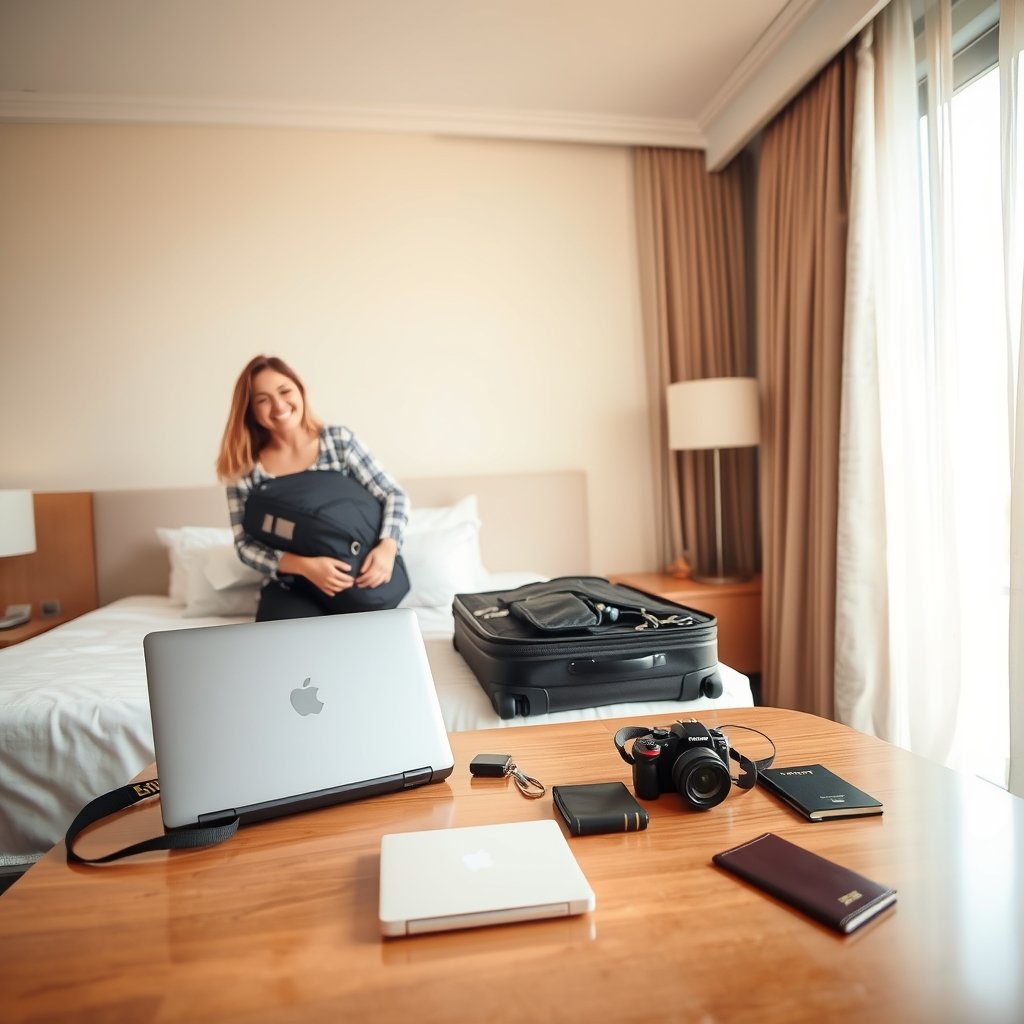
- Leaving valuables—like laptops, tablets, jewelry, and passports—in plain view, even briefly
- Relying on the in-room safe without verifying its integrity or hotel security policies (many safes are poorly anchored or have default override codes)
- Neglecting to lock internal connecting doors or use additional locks (like portable door locks or wedges)
- Propping the room door open or failing to check it latched each time
- Registering personal or travel data in public forums/social media before or during a trip, tipping off opportunistic thieves
Note: No reliable data found for a ranked incident list or victim self-reports (Research Findings). Instead, these are consensus best practices drawn from industry safety guidelines.
Want to reinforce your door against these mistakes? Read: best portable door lock for travel.
High-impact, practical hotel room theft prevention tips (what to do today)
Want to know exactly how to prevent hotel room theft right now? Here are prioritized, actionable steps you can implement—from check-in to check-out—regardless of location or hotel rating:
- Use a portable travel safe or lockbox for electronics and sensitive items. Anchor it to fixed furniture if possible.
- Test the hotel safe immediately upon arrival. Check for default codes (like 0000 or 1234) and make sure it is bolted down.
- Stash valuables in split locations: keep cash, cards, and backup IDs in more than one place (not all together).
- Request a room away from ground level or back corridors. Upper floors with fewer direct exits are less appealing to thieves.
- Use luggage locks even inside your room. Zipper pulls and luggage loops can be secured with TSA-approved locks or cable ties.
- Leverage portable door locks or wedges at night or when in the room: see our detailed guide on hotel room door security tips.
- Enable device tracking and remote wipe on all electronics before leaving home (Find My iPhone, Android Device Manager).
- Photograph all valuables and receipts before your stay; store digital copies securely in the cloud as backup for insurance or claims.
- Use the hotel’s front desk or manager’s safe deposit service for the highest-value items if available (especially jewelry or travel documents).
- Register key valuables with the front desk using policy forms if offered.
- Close all windows, sliding doors, and balcony doors securely if not in use; consider portable window locks for vulnerable access points.
- Inspect your room for hidden cameras or suspicious modifications; for tips, see our guide: how to find hidden cameras in hotel room.
What distinguishes the most secure hotel safes (and are in-room safes effective?)
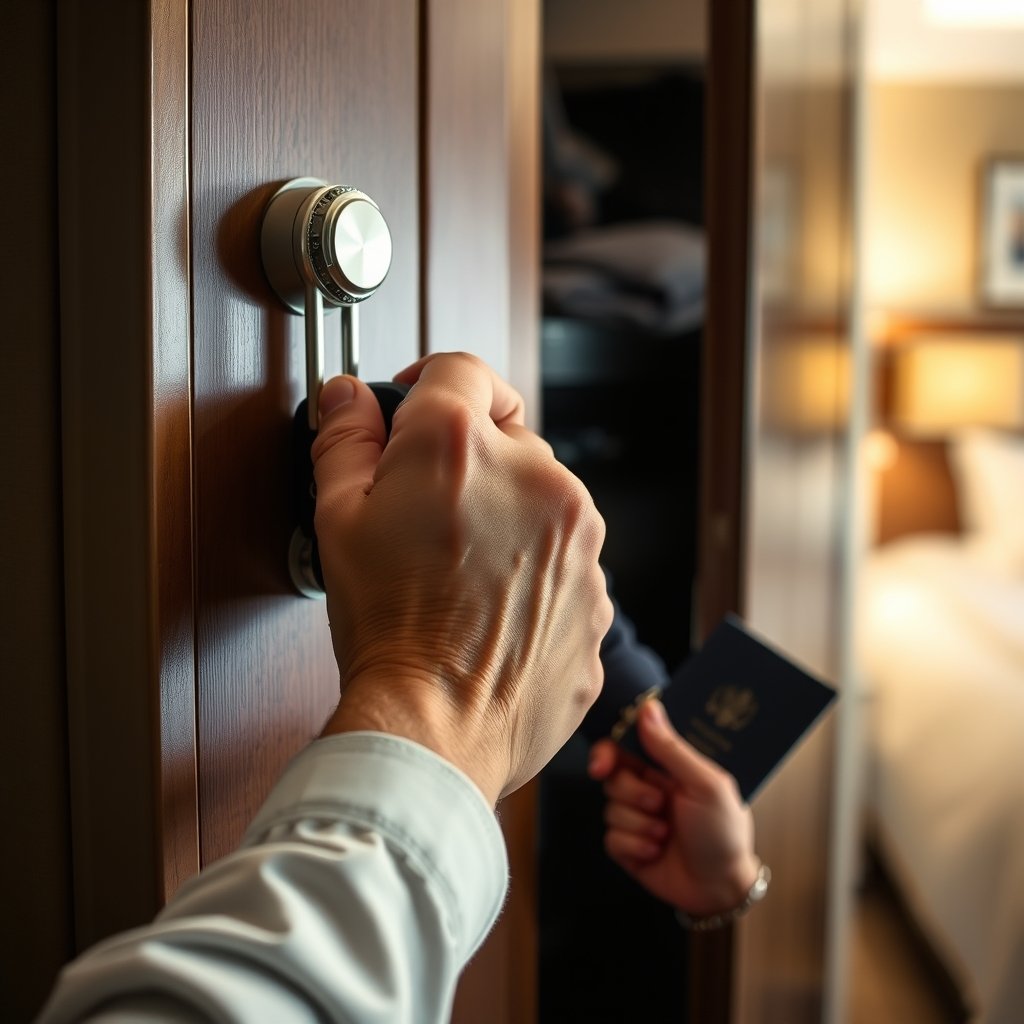
Not all in-room safes are created equal. Hotel safe tips for maximum security include:
- Anchoring: The safe should be bolted to a permanent surface, making it hard to remove entirely.
- Burglary resistance rating: Certified safes (EN 1143-1, UL 1037) provide real evidence of tested resistance; most hotel safes lack this.
- Mechanical vs. electronic locks: Mechanical key safes are harder to hack remotely but require secure key management by staff; electronic models must have robust code controls.
- Audit logs or override procedures: The best safes track access and have administrative protocols for forgotten codes (this is a double-edged sword—staff overrides can be abused if not monitored).
- Size and fit: Your electronics (laptop, tablet, camera) should actually fit inside, without forcing the door.
Are in-room safes effective? They deter opportunistic theft but are not foolproof. Many can be bypassed with factory reset codes or picked up and carried away if not anchored. Always check that your safe is solid and notify the front desk of any defects.
For a realistic take on hotel safe myths and tips: see hotel room safe how to use.
How thieves actually break into hotel rooms, safes and luggage — documented methods (what to watch for)
Again, no recent, comprehensive “toolkit” of theft methods exists for 2023–24, but security guides highlight these main vectors:
- Guest-focused theft (opportunistic): Doors left ajar, bags left in hallways, valuables on open surfaces.
- Staff-facilitated theft: Insider access via master keys, overridden safes, or back-of-house shortcuts. (Most hotels do background checks, but policies vary widely.)
- Forced entry: Crowbar attacks on weak doors, prying window locks, or bypassing chain latches. See travel-safe hardware tips: portable door lock for travel.
- Keycard cloning or social engineering: Malicious actors may obtain keycard data by skimming, or by impersonating staff.
- Luggage tampering: Unattended bags—including inside the room—are easy targets unless locked or hidden.
Your defense? Layered precautions: Always secure entry points, never rely solely on a safe, and use visible anti-tampering devices when possible.
Which hotel security measures work — and which are often overrated
Based on industry recommendations (not recent audits, since no reliable data found for this query):
- Effective measures: Smart locks with audit trails, CCTV coverage in hallways and entrances, strict key-card access controls, regular staff background checks, tight back-of-house access.
- Frequently overrated: In-room safes that are not securely anchored, lobbies with minimal security presence, ceremonial “security” badges on doors without backup protocols.
Active measures—like visible staff patrols, functioning electronic logs, and layered access controls—are usually prioritized by industry experts. Cosmetic touches, like “security seals” on doors, often create a false sense of security.
For a breakdown of what to look for in door devices, read: hotel room door security tips.
If your valuables are stolen — typical hotel compensation policies and how to maximize recovery
Most hotels strictly limit their liability for guest valuables, especially if you did not declare or register items with the front desk or use the hotel safe. Typical policies require:
- Proof that the valuables were stolen from within the hotel (documentation and police report often required)
- Notification within a tight timeframe (immediate or within 24 hours)
- Use of the in-room safe or front desk deposit—otherwise, reimbursement may be capped or denied
- Insurance claim submission if the hotel rejects liability; some credit cards offer travel theft coverage if you pay with them
Action steps if theft occurs:
- Photograph and document losses and where items were kept (safes, bags, drawers).
- Report the incident to hotel management immediately; request a written report or confirmation number.
- File a police report if required and retain a copy.
- Notify your travel insurer and credit card provider with all supporting documents (photos, receipts, hotel report, police report).
There is no global standard policy or compensation level—read your hotel’s terms and conditions before you store anything of value.
Three high-value prevention tips most competitor articles miss
While there is no reliable data found for “missing” tips, these advanced prevention habits are supported by expert sources and rarely appear in basic hotel theft articles:
- Use tamper-evident cable locks for electronics—plus video/photo timestamping: Secure laptops or tablets to permanent fixtures using a tamper-evident cable (like Kensington locks for electronics) and take timestamped photos/video on your phone. This creates deterrence and resources for insurance claims.
Reference: Kensington Security—manufacturer guidance on visual deterrents and cable locks: Why You Need a Laptop Lock - Carry a portable, anchored security cable safe: Unlike standard lockboxes, these safes can be attached to plumbing or heavy furniture, making removal extremely difficult in a short window.
Reference: Pacsafe Travelsafe portable safe manufacturer advice: 5 Things to Look for in a Travel Safe - Proactively verify safe anchoring and model with onsite test and photo: Attempt to “wiggle” the in-room safe; if it moves, notify the front desk and document the problem with a quick smartphone photo. Many safes are only fake-anchored or fully removable, invalidating hotel liability claims if compromised.
Reference: MoneySafe insurance guidance and legal cases documented at MoneySafe—Hotel Safe Security Facts
Quick traveler checklist — arrival, during stay, and before checkout
Here’s a concise, 5-minute-ready hotel room theft prevention checklist you can save or print:
- Upon arrival: Inspect locks (main door, windows, balcony); test and photograph hotel safe anchoring; hide passport and main cash in separate locations; confirm room is not on ground/back corridor if possible.
- During stay: Always lock doors when inside; use a portable door lock or wedge at night; secure electronics with a cable lock and split valuables in hidden spots; close blinds when out; never leave valuables in plain sight—even for a short errand.
- Before checkout: Double-check all drawers/safes; photograph all remaining valuables; collect documentation and receipts; wipe device traces (hotel WiFi, printers, smart TVs) if possible.
Wellness Heaven’s survey showed theft of tablets increased from 12% in 2019 to 18.3% in 2023; theft of mini-fridges was reported by 3.3% of hoteliers. Full study here.
Conclusion
Travelers shouldn’t wait for perfect stats—small, smart steps today have the biggest payoff. With major data gaps for 2023–24, evidence-based how to prevent hotel room theft comes down to preparation, inspection, and taking advantage of practical tech and old-school tricks. Don’t let uncertainty ruin your next trip: use the checklist above and consider upgrading your travel security kit. Stay alert, stay insured—and don’t hesitate to ask the front desk tough questions.
For more hotel safety and travel protection strategies, explore our guides on travel safety checklists and anti-theft travel backpacks.
FAQ — Hotel Room Theft Prevention
Do most hotels actually cover the loss if my valuables are stolen from my room?
No. Most hotels severely limit liability in their terms and conditions. Some will only consider compensation if items were stored in a hotel safe or front desk deposit, and proper documentation is provided. Always check policy details before travel.
Is it safer to use the in-room safe or the hotel front desk safe deposit?
The hotel front desk safe deposit is generally more secure, with stricter access controls and often higher liability coverage. Use it for high-value items like passport, jewelry, and large sums of cash if available.
How do I check that my hotel room safe is secure?
Try to move the safe—if it lifts or slides, it’s not anchored properly. Test for common override codes like 0000 or 1234, and ask the front desk for the make/model and override policies.
What’s the best portable lock or alarm for hotel doors?
Portable door locks (like Addalock or DoorJammer) and wedge alarms are highly recommended for added security. See our travel door alarm setup guide for comparisons and best picks.
Should I travel with insurance that covers hotel room theft?
Yes. Travel insurance or a credit card policy with theft protection can be a lifesaver. Always check what’s covered, coverage limits, and the requirements for proof of loss before you go.