
Best hidden camera detector for travel is a practical tool every privacy-conscious traveler should consider packing. As short-term rentals and hotels across the globe face persistent privacy risks, reliable detection has become more than just a tech hobby—it’s now an essential part of modern travel safety. Travelers in 2026 cannot rely on property policies or wishful thinking alone; you need actionable steps and smart tools to sweep your room as soon as you check in.
Key Takeaways
- Hidden cameras in rentals are a measurable risk: roughly 1 in 12 vacation rentals have them, and nearly half of travelers report finding one at some point (ConsumerAffairs, IPX1031).
- No single detector is foolproof; combine visual checks with RF, lens, and Wi-Fi detection to improve your odds of catching hidden cameras in your room.
- Lack of standardized data means you should focus on having the right features—not chasing specific expensive brands—and always document and report every incident.
- Why you should care — the scale of the problem for travelers
- Typical hiding places and traveler experiences you’ll actually encounter
- How hidden-camera detectors work — RF vs lens-finding vs hybrids (simple, traveler-friendly explanation)
- Must-have features in a travel-friendly spy camera detector
- Practical room-sweep: a step-by-step workflow travelers can do in 10–15 minutes
- Top limitations and major data gaps you must understand before you buy
- Price ranges (how to shop) and whether premium models are worth it
- How effective are detectors against Wi‑Fi-only or battery‑only cameras?
- Three essential aspects competitor reviews often overlook (and what you must include)
- If you find a camera — legal, safety and reporting steps (what to do next)
- Bottom line + writer’s research checklist before publishing product recommendations
- FAQ
Why you should care — the scale of the problem for travelers
The perception that hidden cameras are rare in short-term rentals or hotels is now outdated. Since Airbnb’s indoor camera ban in March 2024 (Skift), stories of privacy breaches have only grown. A CNN investigation revealed 35,000 Airbnb cases mentioning “security cameras” or “recording devices” in just a decade. According to a 2025 survey by IPX1031, nearly half of Americans using vacation rentals said they have found hidden cameras inside—and 55% of hosts admitted to defying the camera ban.
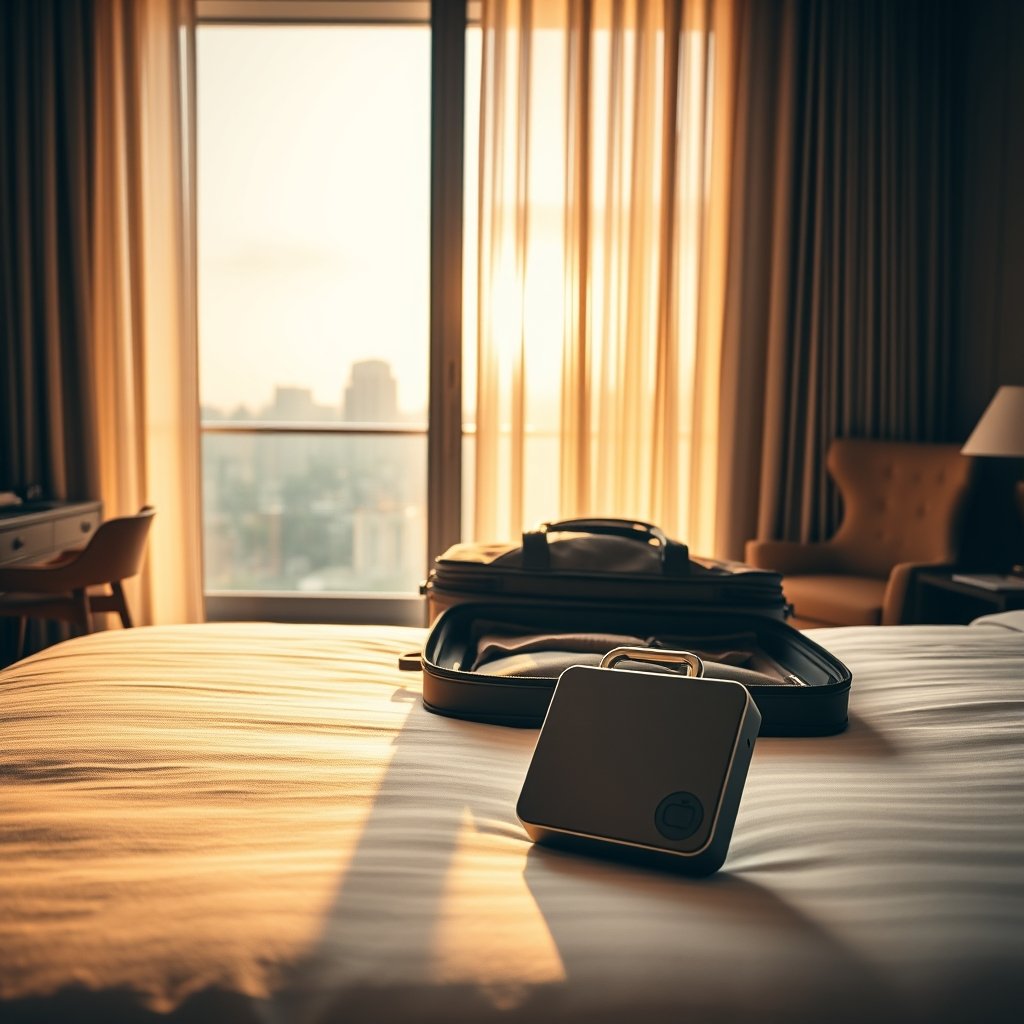
Travelers who discover hidden cameras often face immediate changes to their trip: disrupted plans, emotional distress, and the burden of reporting to platforms or police. This isn’t just an Airbnb problem; similar concerns have been reported in hotels and short-term stays globally. With industry policy failing to offer total protection, your best safeguard is to be vigilant and proactive the moment you arrive. For those looking for broader privacy upgrades, see our Airbnb safety tips for guests.
Typical hiding places and traveler experiences you’ll actually encounter
Hidden cameras are rarely in plain sight. Based on recent news and guest reports (CNN, CBS), devices have been found in:
- Smoke detectors (most common)
- Wall outlets and USB chargers
- Alarm clocks and digital radios
- Motion detection housings and IR sensors
- Lamps, picture frames, or decorative objects
- Serving as part of “IoT” home tech with cameras
Typical traveler reactions include shock and immediate departure. Filing a platform or police report (CBS News) follows rapidly—and privacy violations often lead to claims, disputes, or insurance issues. Importantly, hidden cameras have been found in every room: bedrooms, bathrooms, and living spaces. For an easy digital check, some travelers also use a hidden camera detector app as a secondary safety layer.
How hidden-camera detectors work — RF vs lens-finding vs hybrids (simple, traveler-friendly explanation)
Most travel-ready hidden camera detectors use at least one of these methods:
- RF Detection (Radio Frequency): Detects active wireless signals from cameras transmitting video or audio (e.g. Wi‑Fi, Bluetooth, 3G/4G, analog bugs). Works well if the camera is actively broadcasting.
- lens finder: Uses laser or LED light to reveal camera lenses by their distinct reflection—even if they’re off or not emitting.
- Hybrid Models: Combine both, sometimes including Wi‑Fi network scan (find strange devices on the network) or IR sweepers.
However, RF-only detectors may fail if a camera is battery powered or only records to microSD (not transmitting over radio/wireless). No reliable data found for a single authoritative source that compares all detection modes standardly as of 2026, so you need to combine tools and tactics for the best results. Our hotel room camera check guide gives more on technical approaches.
Must-have features in a travel-friendly spy camera detector
Based on what works in real rooms and factoring in Airbnb’s shifting privacy policies, prioritize these features:
- Coverage of all major RF frequencies: 2.4/5 GHz Wi‑Fi, Bluetooth, analog, cellular bands
- Adjustable sensitivity (avoid false positives)
- Lens finder with multiple LED/laser levels
- IR (infrared) capability (helps spot night vision LEDs or IR-based cams)
- Wi‑Fi network scan (find unknown devices on rental networks)
- Compact size, lightweight and discreet for easy packing
- Long battery life and USB-C or micro-USB charging
- Clear alerts: vibration or audible modes for privacy
- Simple controls and quick/clear UI, especially for non-experts
Seek hybrid models for flexibility. Note that no authoritative standard exists for device features, so always verify details directly on manufacturer or retailer listings for the latest spec. Airbnb’s new policy (2024) underscores that platform rules are no substitute for traveler-initiated checks. Pair this tool with a portable door lock for travel to cover both privacy and entry security.
Practical room-sweep: a step-by-step workflow travelers can do in 10–15 minutes
Here’s a traveler-friendly system for a fast privacy sweep—and a downloadable checklist is available at the end.
- Initial Scan: Eyes Only
- Turn off room lights, use phone flashlight to scan for odd reflections on walls, smoke detectors, clocks, and outlets.
- Look for extra wires, blinking lights, or pinholes.
- Physical Inspection
- Check smoke detectors, motion sensors, alarm clocks, TV boxes and lamp bases by hand—look for added lenses, SD slots, or devices pointing at the bed/shower.
- Inspect wall outlets—gently tug, ensure nothing is loosely added.
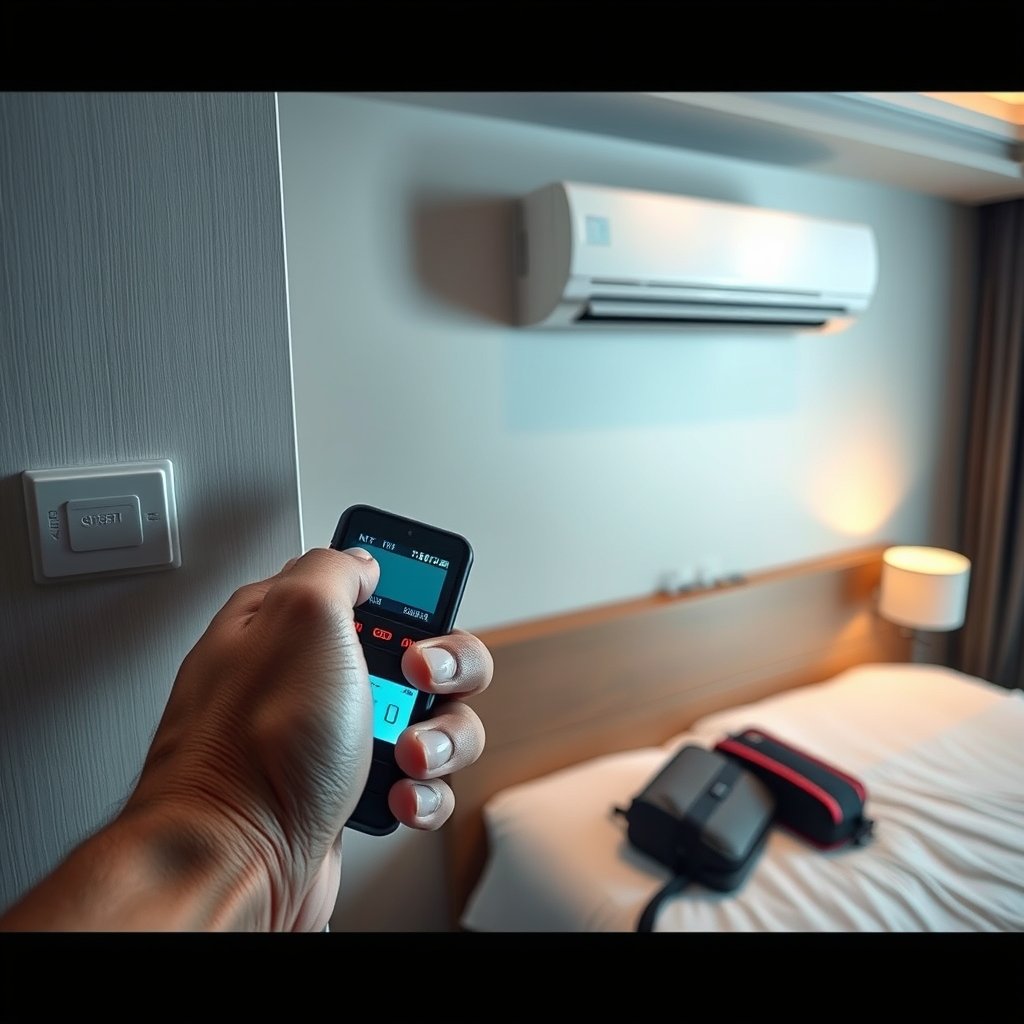
- RF Detector Scan
- Activate your RF detector; slowly sweep 360° in each room, especially at head and knee height. Reduce sensitivity to pinpoint exact sources.
- Pace slowly to avoid missing intermittent or low-power devices.
- Lens-Finder/IR Sweep
- Shine the lens-finder’s LEDs at likely hide spots—camera lenses reflect light as a pinpoint. Sweep under beds, in closet corners, facing objects toward the bed.
- Wi‑Fi Device Audit
- Connect your phone to the room’s Wi‑Fi. Use your detector or an app (best hidden camera detector app) to scan for strange, unrecognized devices on the local network (e.g. “IPcam”, “ESP32”, or generic camera names).
- Document Everything
- Photograph suspicious devices with time stamps and close-ups, and record video walkthroughs for later claims or reports.
- Safety Step
- If anything is found: avoid confrontation, exit the room, contact the platform and local authorities, and never tamper with or destroy evidence.
For a more complete safety routine, pair this workflow with a pre-travel safety checklist and consider adding personal self-defense gadgets (solo female travel safety gadgets) to your kit.
Visual aid recommended: Print or save a 10-step infographic checklist on your device before you leave!
Top limitations and major data gaps you must understand before you buy
Even the best hidden camera detector for travel cannot promise absolute privacy for travelers. Here’s what you need to know:
- No single tool detects all hidden cameras. Battery-only or non-transmitting cameras may appear invisible to RF-only tools.
- No reliable data found for a verifiable, source-backed comparison of detection rates by brand, region, or detection technology for 2024–2026 travel devices.
- RF detectors depend on the camera actively transmitting a signal. If the device is only “on” when it senses motion, or is recording locally, you may miss it.
- Lens-finding and visual sweeps do not work if a lens is very well disguised or behind tinted glass.
- Consumer reviews often do not reflect rigorous, independent lab testing or field performance in a range of real rental settings.
Don’t expect any detector to guarantee full privacy—combine multiple modes and always remain alert. If you’re curious about room safety from a different angle, our portable door lock for travel review addresses entry-point security gaps as well.
Price ranges (how to shop) and whether premium models are worth it
Lack of reliable, up-to-date comparison data means you should not default to the most expensive tool. Here’s how travelers should shop:
- Verify current specs directly. Confirm frequency coverage, battery life, and charger compatibility right before you buy—manufacturers release iterative models without major announcement.
- Focus on real features over brand premium. There is no reliable data found showing a universally significant performance gap between budget and premium detectors as of 2026.
- Typical price points for travel-friendly RF or hybrid detectors range from $50 to $400, but there is no reliable data found for a defensible 2024–2026 cross-model price range based on standardized specs.
- If a retailer or reviewer makes strong claims about “detection rate” or “coverage” by price, require a primary-source citation or 2026 testing proof.
- Read several independent user reviews and check for patterns in negative feedback about UI, false positives, or detecting battery-only devices.
For more value tips, learn how to find travel safety gadgets under $30 to supplement your kit without breaking your budget.
How effective are detectors against Wi‑Fi-only or battery‑only cameras?
Modern spy camera detectors still face challenges when trying to find Wi‑Fi-only or battery-powered, non-broadcasting cameras. Here’s what’s realistic:
- RF detection only works when a camera is actively transmitting data (e.g. streaming to the host via Wi‑Fi or cellular networks). If a camera records only locally, or transmits in short bursts when triggered, it may evade real-time sweep detection.
- Lens-finding mode is your best bet for battery/cached cameras—but you must have a clear angle to the lens, and some high-end models are disguised behind opaque or tinted covers.
- Wi‑Fi network scan may reveal hidden devices with suspicious manufacturer names—but not all battery cameras connect to rental Wi‑Fi, and many have generic identifiers.
- No reliable data found for a source-backed 2026 forecast about when/if consumer tools will reliably detect dormant or ultra-low power hidden cameras.
The best approach is a blend: a slow scan with all tools available, plus proactive documentation and reporting. Consider combining hardware checks with a software-based audit using a hidden camera detector app on both iPhone and Android.
Three essential aspects competitor reviews often overlook (and what you must include)
Many review sites and shopping guides skip important, real-world gaps. Here are three you must consider, clearly proposed based on lack of comprehensive, verifiable research:
- Detection of intermittent, non-broadcasting cameras. Force reviewers to describe what happens with battery-only or “motion-record” devices and suggest practical double checks and test behaviors.
- Travel reality: battery life, charging, and packability. Does the tool last through a multi-day trip without daily recharging or proprietary cables? Is it TSA-compliant and compact?
- Post-detection workflow. Reviews should outline how to document discoveries, when to engage law enforcement, and how host/platform policies may work against the traveler in dispute resolution—even when you have video/photo evidence. (No reliable data found for a systematic competitor review audit covering these three gaps as of 2026.)
We recommend surfacing these issues prominently in all buyer’s guides and reviews—and linking travelers to downloadable checklists and detailed action plans, such as our Airbnb safety tips USA article.
If you find a camera — legal, safety and reporting steps (what to do next)
Discovering a camera in your room is stressful, but the process for staying safe, preserving your rights, and building a claim is well established:
- Stop using the room immediately and exit with your belongings if you feel threatened.
- Use your phone to document: take time-stamped photos and video walkthroughs of the device and its location. Do not move or tamper with the camera (protects evidence chain).
- Preserve communications: save texts, emails, and platform messages to the host, landlord, or platform support.
- Contact the property platform (Airbnb, Vrbo, hotel). File an official report promptly and request alternate accommodations.
- Report to local police, especially if the device is in a private area (bedroom, bathroom) and/or you suspect video/photographic voyeurism.
- Bookmark resources for further reading and safety actions: solo female travel safety tips and scared to walk alone—safety guide.
CNN and CBS report that guests almost always vacate and report such incidents immediately. Privacy protection must be your priority; if you suspect footage was saved or distributed, consider legal support and mental health resources.
Bottom line + writer’s research checklist before publishing product recommendations
Travelers face a real, data-proven risk of hidden cameras, even after new platform rules. The best hidden camera detector for travel is a modern hybrid model with strong lens-finding and flexible RF coverage, but no tool is perfect. Use both hardware and visual checks every stay, document what you find, and always report problems formally for your safety and others’.
Writer’s research checklist:
- Verify every product’s 2026 RF/lens/IR/Wi‑Fi spec and battery life on the manufacturer/retail site before recommending.
- Validate price ranges and user reviews for each model cited.
- Cite primary sources for all statistics (as included in this guide).
- Flag “no reliable data found” for any feature, price, or performance gap not supported by live or primary evidence—do not speculate or exaggerate claims.
Download the full traveler’s checklist for your next trip—and always prioritize your privacy. For a deeper product-based look at safety tech, explore our best travel security products 2026 buying guide.

FAQ
Are hotel rooms safer from hidden cameras than Airbnb?
There’s no strong evidence hotel rooms face less risk than Airbnbs. Most hidden camera cases in recent news involve rentals, but room sweeps are recommended everywhere. Hotel safety policies and staff turnover are not a privacy guarantee.
What’s the most common place for a hidden camera in a vacation rental?
Smoke detectors and power outlets are the two most common hiding spots, but cameras have also been found in clocks, picture frames, and air vents. Sweep every room, especially bedrooms and bathrooms.
Is a $300 detector always better than a $70 one?
No reliable data shows that expensive detectors always outperform budget models in real travel settings. Check for updated specs and combine several detection methods instead of relying only on price or marketing claims.
Will my detector find cameras that are powered off or only record on motion?
If the camera is powered down or only records to a memory card, RF detection will usually fail. Use a lens finder and careful visual checks as these are more likely to spot dormant cameras.
Should I inform the host if I find a hidden camera, or just call the police?
Safety first: document everything, exit the property, then report both to the platform (like Airbnb) and to local police. Avoid direct confrontation with the host over the discovery, especially if safety feels compromised.