
How to avoid pickpockets while traveling is a top concern for solo travelers heading to Europe’s busiest cities—especially as 2024 hotspot statistics show sharp increases in thefts at world-famous sites. If you want to explore with confidence, read on for a fast, research-backed guide that arms you with specific, affordable tactics to reduce your risk, gear up smart, and know exactly what to do if you get targeted anyway.
Key Takeaways
- Pickpocketing is surging at iconic tourist sites in Italy, France, and Spain, with team-based thieves using clever distractions—know the hotspots and stay situationally aware.
- The right gear (such as locking zippers and hidden pockets) and pre-trip digital prep drastically cut your risk, but behavior and vigilance matter most.
- If pickpocketed, mitigate stress fast by following a recovery checklist—secure backups, quick-freeze cards, and local emergency numbers are essential.
- Quick snapshot — where pickpocketing is worst right now
- How pickpockets typically operate — team tactics and distraction methods
- High-risk environments and the specific tactics used there
- Top 3 prevention strategies experts recommend (and how to execute them)
- Best anti-pickpocket gear — what features matter (and sourcing notes)
- Typical traveler pain points after being pickpocketed — why this is so disruptive
- Financial impact — average losses and regional differences (what we know and what’s missing)
- Three practical subtopics many guides miss (actionable, low-effort wins)
- Pre-travel & on-the-ground 7-step checklist (printable/actionable)
- FAQ
Quick snapshot — where pickpocketing is worst right now
Travel pickpocket hotspots have worsened between 2022 and 2024, especially across iconic European cities. According to recent incident rates:
- Italy leads with 478 thefts per million British visitors in 2024 (+3% year-over-year).
- France ranks second with 251 thefts per million, Paris being the main concentration.
- Spain & Germany share third place, each at 111 incidents per million visitors.
- The Netherlands follows with 100 per million, Amsterdam topping its list.
The most affected individual sites are:
- Trevi Fountain, Rome (Europe’s #1 pickpocket hotspot)
- Eiffel Tower, Paris
- Las Ramblas, Barcelona
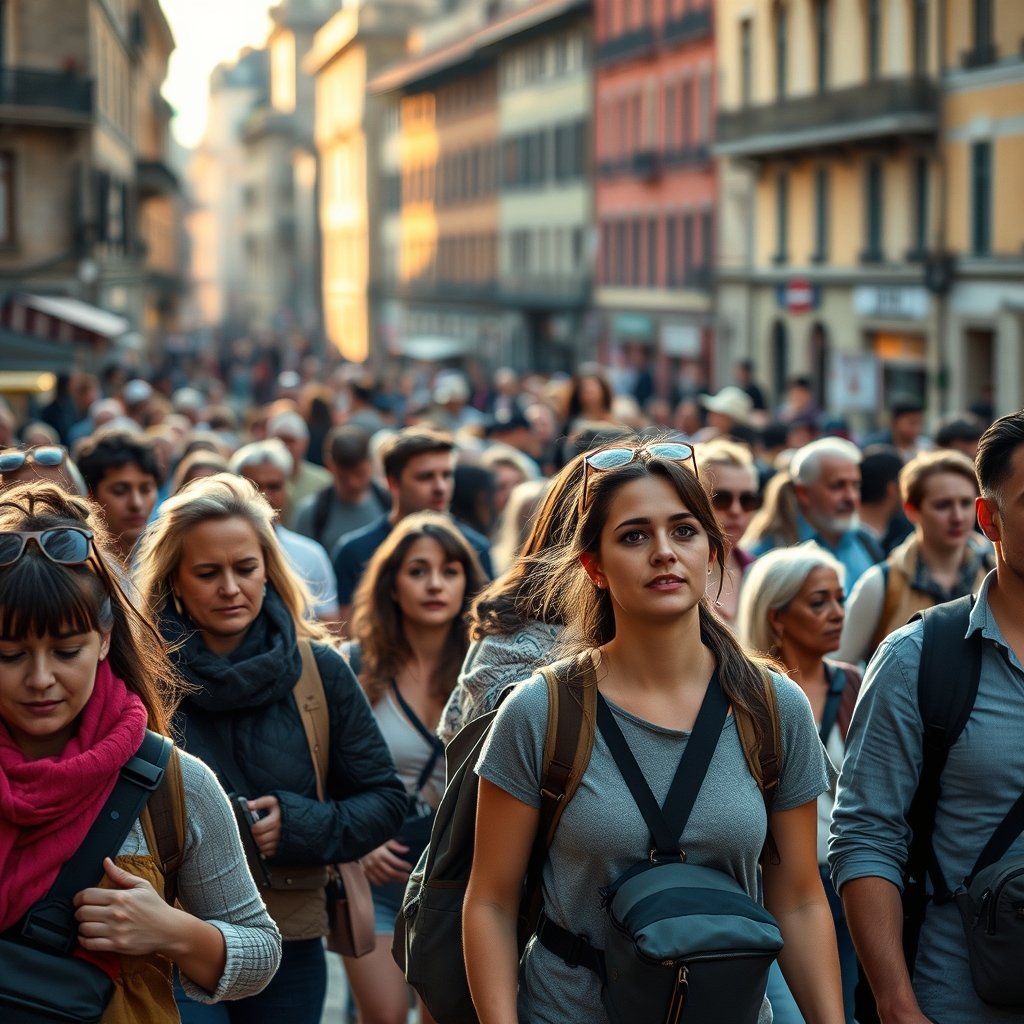
Think crowded plazas, selfie zones, and transit links. For Emma, a solo traveler, understanding these statistics helps focus efforts—and anxiety—on the right places, not on constant worry everywhere. (Sources: Travel Tomorrow, USA Today)
How pickpockets typically operate — team tactics and distraction methods
Modern pickpockets almost never act alone—most use organized, efficient teams. The OSAC report highlights key roles:
- Spotter: Identifies distracted travelers (often those fumbling with maps, luggage, or phones)
- Distractor: Initiates chaos (may bump into you, ask a question, or draw a crowd with a commotion)
- Petty thief: Actually grabs your wallet, phone, etc.
- Enforcer: Physically blocks or pushes you if you notice the theft, ensuring getaway
Distractors are often overly animated, unstable, or even act drunk—anything to pull your attention. Pickpocket prevention travel starts by learning to spot these team tactics. Thieves prey on tourist overwhelm and brief lapses in vigilance, especially during group distractions at busy attractions.
Real-world story: In a Barcelona forum, traveler “Anna S.” described: “At Las Ramblas, two young women blocked my path pretending they dropped change, while a third pulled my bag zipper. Luckily, I noticed and turned, and they vanished.” This is a classic team-based attempt—catching it early is the best defense.
High-risk environments and the specific tactics used there
Pickpocket prevention while traveling is all about knowing where the risks spike, and what tricks to watch for in each area. OSAC and recent traveler accounts detail these danger zones:
-
Trains & Transit Stations: Jostling boards or disembarks, standing room crowding, sudden stops.
- Typical tactic: Thieves push during boarding; one distracts while another grabs a pocket or open bag.
-
ATMs: Someone hovers close or distracts as you enter your PIN.
- Typical tactic: “Helpful” stranger, or sudden commotion outside.
-
Tourist Sites: Trevi Fountain, Eiffel Tower, Las Ramblas.
- Typical tactic: Group photos, “Can you take our picture?” or staged arguments that divert attention.
-
Crowded Streets/Markets: Busy sidewalks, street performances.
- Typical tactic: Bump-and-snatch, or a child collaborator tugs your jacket or bag.
Anti-pickpocket tips for each environment: stay close to your belongings, avoid exposing valuables, and be extra vigilant when you see clusters of “too helpful” strangers. If you’re taking photos, back up against a wall and keep bags zipped and in front of you.
Top 3 prevention strategies experts recommend (and how to execute them)
OSAC and security experts agree: behavior trumps even the best gear. Here are the three highest-impact, expert-backed prevention strategies for travel pickpocket hotspots:
-
Situational awareness
- Scan for team-based operations. Note if the same people are watching you, or approach with distractions.
- Keep moving in crowds, don’t let yourself get boxed in.
- Trust gut feelings—act if anything feels “off,” no matter how subtle.
-
Protecting valuables in transit and crowds
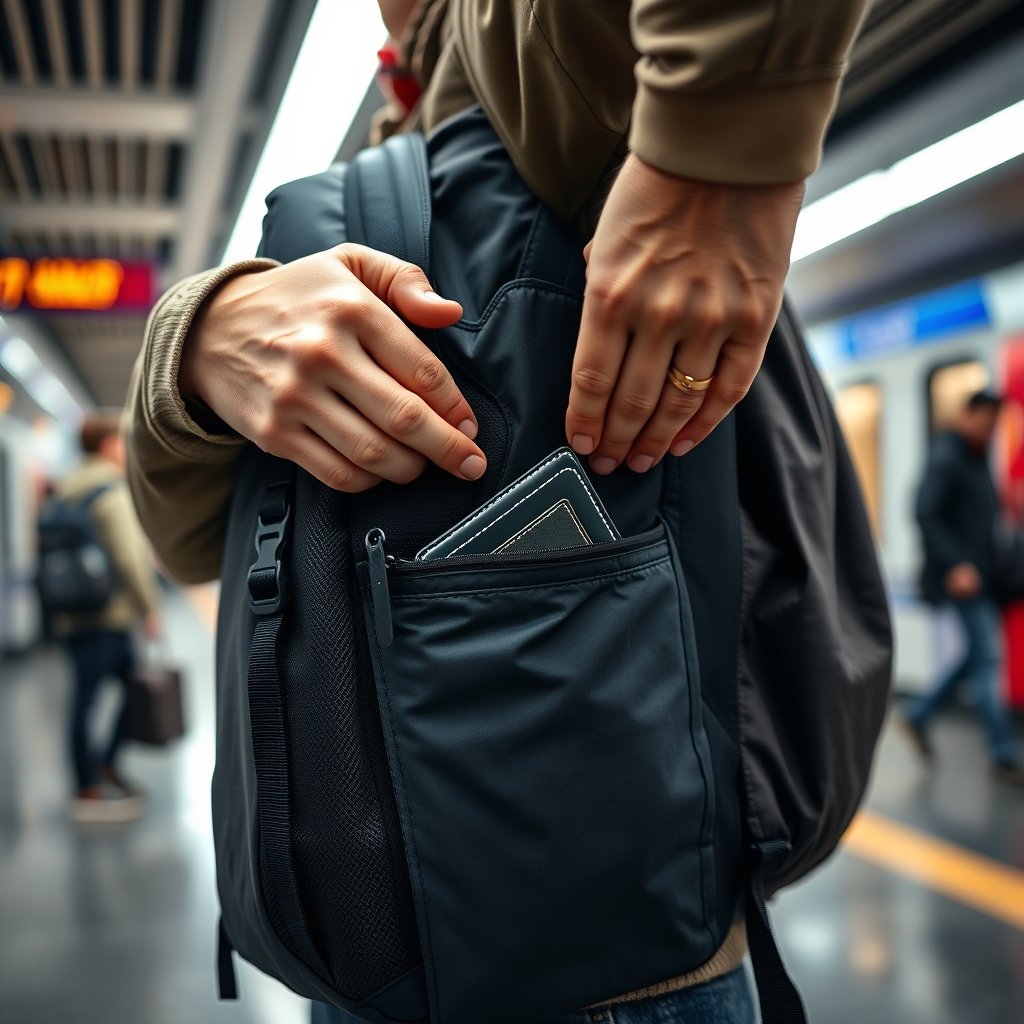
- Carry bags in front, never on your back or dangling from your shoulder.
- Use inside zipper pockets for phones, wallets, and passports.
- Keep a finger on zipper pulls when in dense areas, especially on subways and at monument entrances.
-
Minimizing distraction opportunities
- No phones out in dense crowds—step aside to use them.
- Refuse unsolicited help, petitions, or questions (especially from groups or children).
- Never leave your bag open, even for a quick photo.
Small habits—like always zipping your bag and pausing before reacting to a commotion—compound to drastically reduce your risk.
Best anti-pickpocket gear — what features matter (and sourcing notes)
The right gear fills the confidence gap, especially for new solo travelers. However, no reliable comparative data is available for expert-tested rankings of anti-pickpocket travel gear in 2024—readers should search for up-to-date product reviews or independent tests. In practice, look for:
- Cut-resistant straps (essential to prevent slash-and-grab attacks)
- Locking/zippered compartments (outer and inner zippers with locks or clips)
- Body positioning: Prefer crossbody bags or money belts that stay under your clothes
- Hidden pockets and RFID protection (for contactless card fraud)
Product types and pricing rough guide:
| Type | Features | Budget | Mid-Range | Premium |
|---|---|---|---|---|
| Money Belt | RFID blocking, worn under clothes, zipper closure | $10–20 | $20–40 | $40–60+ |
| Slash-proof Crossbody | Cut-resistant strap, locking zippers, multiple compartments | $20–40 | $40–90 | $90–150 |
| Neck Pouch | Under-clothes, slim, secure string/strap, hidden pockets | $8–15 | $15–30 | $30–50 |
| Zippered Daypack | Lockable main compartment, hidden zipper tracks, anti-slash base | $20–40 | $40–100 | $100–200+ |
For deeper product guidance, browse reviews for the best anti-theft travel backpacks or the top-rated money belts and neck pouches. If possible, do a “test run” of your setup in your home city before departure.
Typical traveler pain points after being pickpocketed — why this is so disruptive
No comprehensive data exists on traveler frustration after pickpocketing—but social media and forum accounts draw a clear picture. Top pain points include:
- Lost IDs, cards, and cash—often all at once, leaving travelers temporarily stranded
- Time lost at police stations and embassies, disrupting planned activities
- Canceled cards and accounts, causing ongoing financial headaches
- Emotional stress—from embarrassment (“How did I miss that?”) to anxiety and fear for the rest of the trip
Sample quote from r/travel (Reddit): “It wasn’t even the money—I lost my day and had to cancel every card. Wish I’d set up digital copies of my passport before I left.”
Mitigation: Don’t hesitate to seek help from your hotel or hostel staff. Many seasoned travelers recommend posting in local Facebook groups or expat forums for embassy or consulate tips—these communities have often “seen it all” and respond quickly.
For more on traveler-centric safety, check out our safety tips for solo travelers and affordable travel safety gadgets under $30.
Financial impact — average losses and regional differences (what we know and what’s missing)
At the time of writing, no reliable statistics exist for average direct or indirect losses from travel pickpocket incidents (no regional insurance claim stats, aggregate police figures, or large-scale traveler surveys are public). This is a gap that journalists and travel researchers need to fill.
However, it is typical to lose:
- Cash (usually limited to what you carry for that day—keep it low!)
- One or more payment cards (often requiring international phone calls to freeze/replace)
- Identity documents (passport, ID cards—these are hardest to replace abroad)
Indirect “costs” include lost sightseeing time, rebooking fees, and higher anxiety for the rest of your trip. Estimate your own risk by thinking what you’d carry on a single outing—and split/spread these assets to minimize one-bag vulnerability. For hotel, luggage, or passport theft data, see our travel identity theft protection guide.
Three practical subtopics many guides miss (actionable, low-effort wins)
In addition to classic anti-pickpocket tips, these three low-effort but high-impact tactics close real-world gaps most guides don’t cover:
-
Pre-travel digital prep
- Make cloud backups of passport, ID card, and travel insurance details (Google Drive, iCloud, or encrypted email draft)
- Take clear phone photos of key documents and store locally as well as in the cloud
- Set up banking apps for rapid card freezing and enable alerts
-
Emergency freeze/contact checklist
- Before travel, build a digital note with these numbers:
- Bank lost or stolen card helpline (for each card)
- Local embassy or consulate—lookup addresses and numbers for each country/stop
- Traveler insurance claim hotline
- Store this list in your phone contacts, a pinned email, and (ideally) on paper in a hidden bag pocket
- Before travel, build a digital note with these numbers:
-
Decoy wallet & layered-security psychology
- Carry a cheap “decoy” wallet with a few expired cards and small coins—hand it over if forced, keeping main cards in a money belt or hidden pouch
- Never put everything in a single bag—split cards, cash, and IDs between different secure spots
By layering both digital and physical defences, you’ll bounce back quicker even in worst-case scenarios.
Pre-travel & on-the-ground 7-step checklist (printable/actionable)
Use this checklist for stress-free preparation and everyday confidence in busy cities. Print it, screenshot it, or save it to your phone notes:
- Photocopy and cloud-backup your passport, IDs, credit/debit cards, and critical travel documents.
- Pre-load emergency embassy, hotel, and bank contact numbers in your phone and write them on paper.
- Choose a secure, zippered day bag or crossbody, with locks, cut-resistant straps, and inside pockets—do a “practice pack” before departing.
- Adopt smart body positioning in crowds: bag always in front, finger on zippers, one earbud out.
- Enforce a strict “phone down in crowds” policy. Step aside to use devices or check maps.
- Split your cash and cards—some in your locked bag, others in an under-clothes money belt or neck pouch.
- Set up rapid freeze/alert options for all payment cards, and keep a decoy wallet accessible for emergencies.
For travelers like Emma heading to Europe’s top hotspots, these steps—grounded in the latest OSAC and incident data—reduce risk dramatically. See our companion travel safety checklist for a broader printable version.
FAQ
What’s the safest way to carry my phone and wallet while sightseeing?
Keep both in inside pockets of a zipped, crossbody or front-facing bag. Use locking zippers or carabiners for bonus security, and never let your bag hang behind you—especially when taking photos or boarding trains.
Will a decoy wallet really help against pickpockets?
Yes—if confronted or forced, handing over a decoy with expired cards and spare coins can prevent escalation and preserve your main valuables. Never argue or chase, and always protect your genuine cards/ID in a separate, hidden pouch.
What should I do immediately if I realize I was pickpocketed while traveling?
Freeze and report cards via your banking app or hotline, file a police report for travel insurance, and contact your local embassy if IDs or passports are stolen. Keep digital and paper backups of all documents so you can act quickly without panicking.
Is anti-pickpocket gear worth the investment compared to just being careful?
Gear is useful, but the most critical factor is situational awareness. Affordable upgrades—like zippered crossbody bags or RFID-blocking wallets—add layers, but nothing substitutes for vigilance and smart behavior in crowded areas.
Which European cities or sites should I be extra careful in 2024?
Rome (especially Trevi Fountain), Paris (Eiffel Tower and metro), Barcelona (Las Ramblas), Amsterdam, and Berlin are top hotspots by pickpocket incident rates. Follow this guide’s behaviors whenever visiting popular sites or crowded public transit.
Further Reading / Sources
By understanding how to avoid pickpockets while traveling—with real stats, expert tactics, and layers of backup—you actively lower your risk and raise your peace of mind. Ready to adventure smarter? Print or save the checklist, kit up, and travel with confidence. For additional tips about hotel room security on the road, visit our hotel door lock safety guide next.
—