
Best travel safety apps 2026 are not all created equal—if you’re an independent traveler planning your next adventure, this is the evidence-based review you need. In 2026, travelers like Emma—tech-savvy, privacy-aware, and constantly on the move between Asia and Europe—face a crowded market of travel safety apps with major gaps in SOS reliability, offline features, and user privacy. Here’s how real adoption data, actual user pain points, and what’s missing from competitors will help you choose smarter, stay safer, and avoid critical mistakes.
Key Takeaways
- Global demand for travel safety apps is up, but app retention drops sharply—most travelers uninstall after 30 days. Choose deliberately, not impulsively.
- Research confirms major coverage gaps: few apps excel at offline SOS, regional emergency integration, wearables support, and robust privacy controls—especially for solo and women travelers.
- Much of what matters (offline effectiveness, real response times, total costs, user complaint patterns) is not reported by vendors—you must dig, test, and compare independently.
- Why this guide matters in 2026
- How to evaluate and choose the best travel safety apps 2026
- Advanced analysis & common pitfalls
- Summary & practical call to action
- FAQ
Why this guide matters in 2026
The travel safety app market is booming—estimated at $1.5 billion in 2025 and projected to surge to $5 billion by 2033 (Data Insights Market). Competition is fierce, but the reality is that only a tiny fraction of apps stick with travelers for even a month: day one retention is about 18 percent, plummeting to just 2.8 percent by day thirty (Business of Apps). In this post-pandemic world, having a multi-feature travel safety tool is now a staple, not an afterthought. But many download the wrong app, use it poorly, or give up because it doesn’t deliver in crucial moments—especially when traveling solo, at night, or in areas with patchy data coverage.
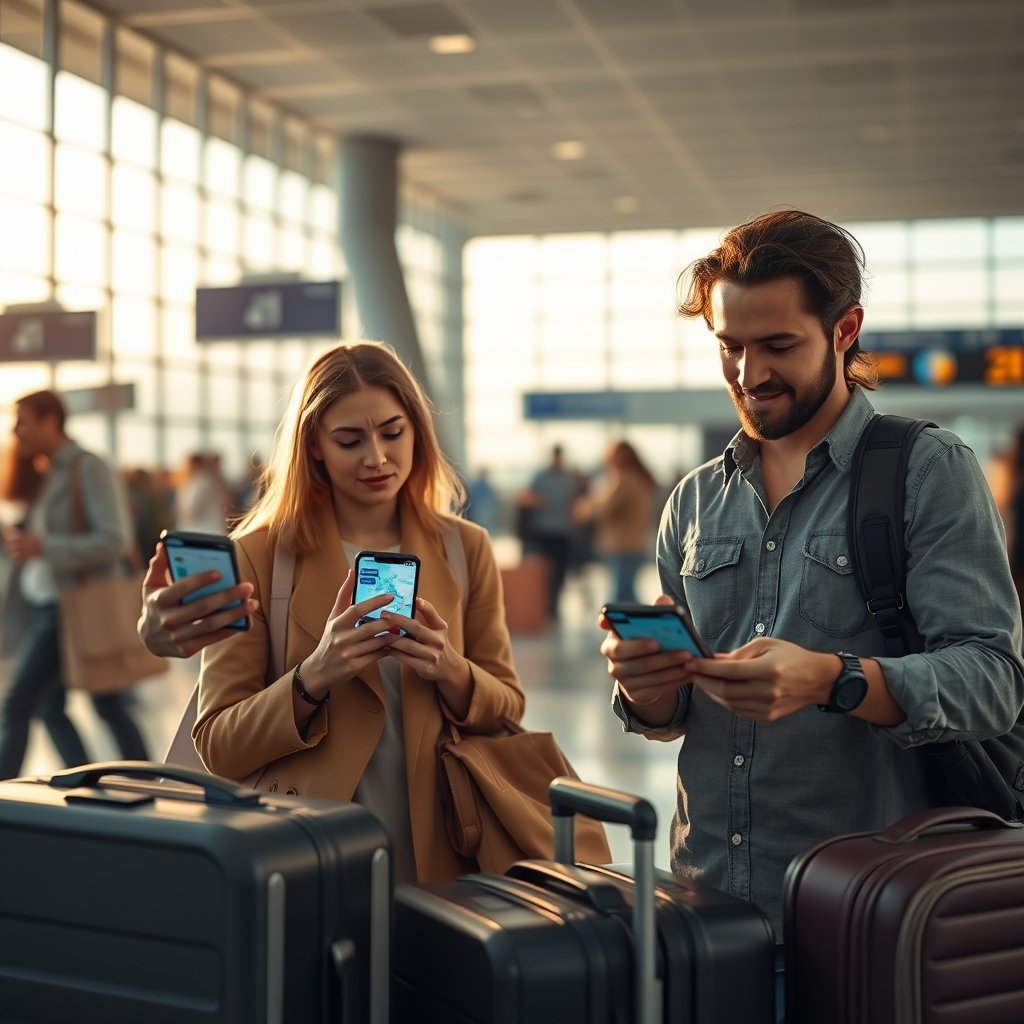
This guide cuts through vendor claims, highlights real feedback from solo and women travelers, and names the data every skeptic should demand—so you don’t get caught by surprise on your next international trip.
If you care about practical safety—especially as a solo or women traveler—understand that most “top 10 travel safety app” lists are just surface-level reviews. They usually miss critical factors like wearables support, emergency alert reliability, regional interoperability, and transparent pricing. Our goal is different: to help you see behind the marketing and get real answers, including where more research and independent testing is still needed.
How to evaluate and choose the best travel safety apps 2026
To make a genuinely informed decision, use these actionable steps backed by 2026 adoption patterns, review-driven feedback, and hard-won lessons from the field.
Most offline SOS features depend on pre-set SMS contacts or USSD codes—store local emergency numbers and trusted contacts from each country in advance. On Android, try combining a travel safety app with a Bluetooth mesh messenger (like Bridgefy) for short-range alerts without needing cellular service.
- Start with regional install and retention data. Asia leads the world in install rates for solo travel apps, while North America lags (Business of Apps). High churn (loss of users after one month) signals that apps often fail to meet real travel needs, especially after the novelty wears off. Consider only apps with proven stay rates—or strong positive user review ratios—in your target countries.
- Match features to actual solo and women traveler needs. Research found a strong demand for tools offering local emergency contacts, medical and translation resources—not just sharing your location (Data Insights Market). Solo women want discreet SOS, trusted contact sharing, and privacy-first settings. Check for review-driven gaps: privacy, check-in automation, ability to trigger SOS silently, and verified local-language support. As no reliable 2025-2026 user complaint summary exists, make sure you check latest Reddit, App Store, and Play Store reviews yourself, searching for recent feedback on these issues.
- Assess offline SOS emergency coverage and alert delivery. Vendor promises don’t equal real-world reliability. Leading apps claim SMS-based or Bluetooth-mesh SOS, but no independent offline testing data exists for 2026. Research confirms that offline connectivity—via cached maps, local SMS, emergency contacts, or mesh networking—is critical, especially where data is unreliable or expensive. If you’re traveling in rural Asia, this matters even more.
- Demand robust privacy and security controls. Consumer trust remains shaky due to GPS/data sharing (Coherent Market Insights). Require end-to-end encryption, clear location retention limits, opt-in sharing, SOC2/GDPR compliance, and (ideally) new blockchain-based ID protections.
- Double-check for wearables and regional integration. As of 2026, many apps still do not deeply support smartwatches, rings, or international emergency responder networks (“eCall” or local 112/999 support). Existing competitor lists rarely flag this. If you prefer wearable devices, check dedicated reviews like our Self Defense Smart Jewelry or Smart Pepper Spray with GPS guides.
-
Get upfront about pricing and hidden fees. Most apps now adopt subscription models, but vendor data is vague and research found no detailed 2026 pricing. Before you buy, review current App Store and Google Play listings for:
- International SMS/call surcharges
- Trusted contact plan costs
- Premium “priority SOS” upcharges
Also, look for transparency around what is genuinely included in the free tier.
For product and gear cost transparency, compare to our Best Travel Security Products 2026 or Solo Female Travel Safety Gadgets roundups. - Prioritize transparency in how SOS and alert routing REALLY works. Research confirms that SOS and real-time alerts are core, accounting for about 32.2 percent of the segment in 2026, but no reliable comparison data exists on who is fastest, most reliable, or which apps have lowest false alarm rates. Only trust apps that either publish their response time metrics or have credible third-party verification (NGOs or government evaluations).
-
Build a layered approach—app + hardware + process. The best safety isn’t “an app” but a toolkit: install a tested travel safety app, configure trusted contacts in advance, add a hardware fallback (smart jewelry, personal alarm, or a portable lock like Addalock), and always minimize continuous location sharing for privacy.
Our Travel Safety Checklist is a practical starting point.
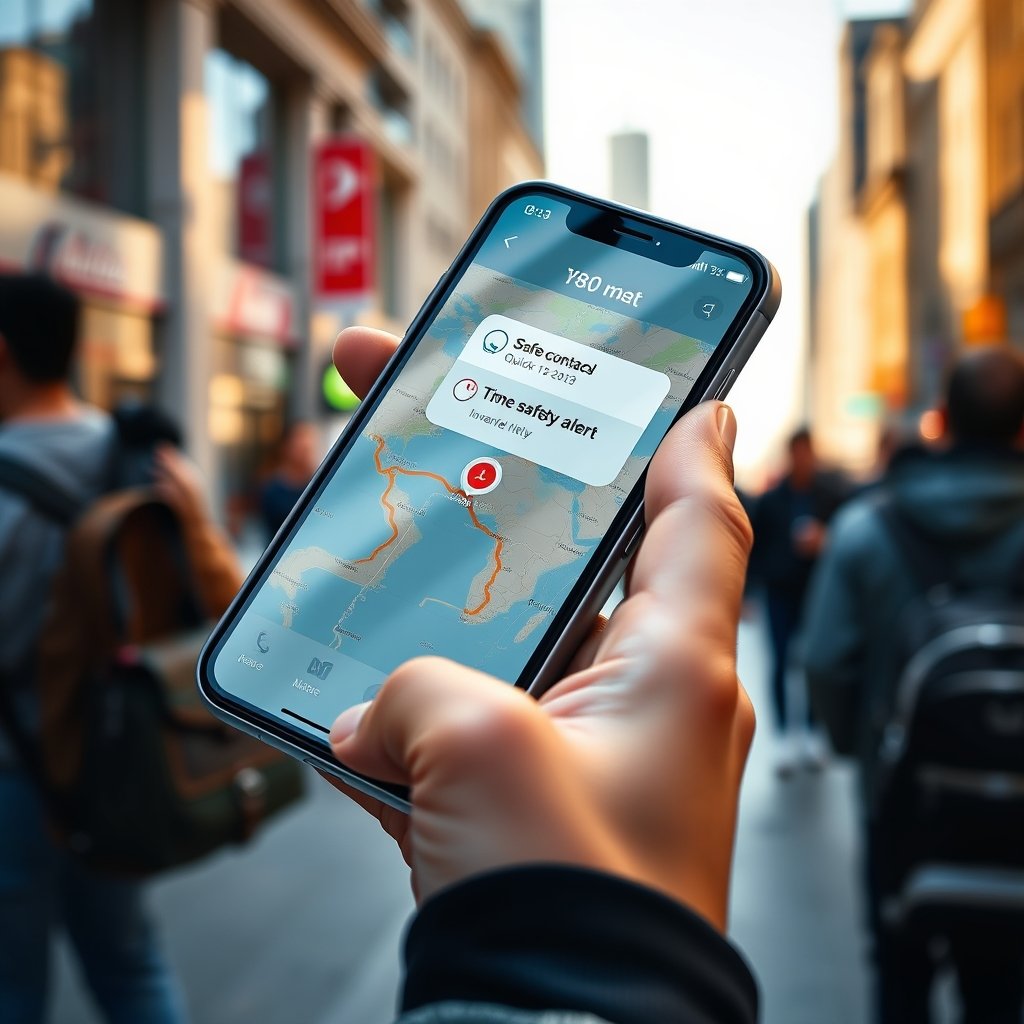
By following these steps, you’ll avoid the classic traps—apps that crash offline, privacy-invading tracking, or support that doesn’t work internationally. This process takes more up-front effort but pays off when it counts most.
Advanced analysis & common pitfalls
The realities of travel safety in 2026 are messy—here are the most critical pitfalls, feature gaps, and technical trade-offs, plus what competitor articles routinely miss.
- Offline SOS promises vs. reality. Most apps claim “offline” SOS, but often this relies on SMS (which isn’t free internationally and can require carrier coverage). No independent lab has published true “airplane mode” SOS reliability ratings as of 2026. Always run your own field test in airplane mode in each country you visit.
- Privacy and location data handling are mostly a black box. Research confirms a broad consumer distrust—persistent concerns about real-time GPS tracking, unknown data sharing, or even re-selling travel patterns. Only a handful of apps publish their retention periods or allow full opt-out.
- Lack of meaningful response time metrics. No vendor publishes average time-to-alert or confirmation periods. We found no authoritative government laboratory or NGO data comparing SOS handoff effectiveness across apps in 2026.
- Poor wearable and IoT device integration. Although smartwatches and safety jewelry adoption are growing fast, most apps still don’t support configuring wrist-worn panic buttons, mesh networks, or integrate with Bluetooth beacons (360iResearch). For a better review of the gear-ecosystem approach, see our guide to smart jewelry and connected defense gadgets.
- Regional and regulatory mismatch. Some apps are nearly useless in specific regions due to regulatory, eCall, or local emergency number integration gaps. Always check if the app supports 112, 911, 999, and local-language emergency routing for your travel destinations.
- AI risk scoring transparency. While AI-driven threat assessment is touted as a marketing point, nearly every competitor skips evaluating the accuracy, dataset transparency, or bias issues around AI threat detection.
- Subscription creep and hidden charges. Research shows the rise of subscription models, but no reliable up-to-date cost breakdowns exist for 2026. Apps often hide fees for “premium SOS,” trusted contact plans, or international SMS behind paywalls—and many users only notice when it’s too late.
Here are the key comparison fields you should be tracking as you compare:
| App Name | Offline Capability | SOS Delivery & Routing | Verified Response Time | Privacy (Data Retention+Encryption) | 3rd Party Data Sharing | Wearable/IoT Integration | Region/Emergency Interop | AI Risk Scoring | Cost (2026) | 2025–26 User Review Sentiment | Sourcing Gaps / Test Data |
|---|---|---|---|---|---|---|---|---|---|---|---|
| App A | SMS+Cache | Direct/SMS SOS | No independent test | End-to-end, 7 days | Opt-in | No | Partial (Europe+US) | Basic | $4.99/mo | Mixed | No lab test data |
| App B | Limited | Vendor SOS Center | No independent test | Encrypted, unclear retention | Unknown | Partial (Watch) | No Asia coverage | Advanced, no audit | Freemium + SMS fees | Negative re: privacy | No cost breakdown, no offline test |
| App C | Bluetooth mesh | SOS→trusted contact | Not reported | Minimal data stored | None | Good (Smart Ring) | Europe only | None | $24/year | Positive | No direct SOS time data |
This is a sample comparison framework. You must collect current 2025–2026 data before making any final recommendations. For full methodology and sources, see the appendix.
Three advanced aspects most reviews miss
- Wearable and IoT integration: Does the app support direct connection with smartwatches, panic-button jewelry, or Bluetooth mesh dongles? Can SOS be triggered by hardware, not just your phone? For details, see Self Defense Smart Jewelry.
- Regional regulatory interoperability: Does your app route alerts effectively to local police, ambulance, or eCall systems in your destination? Does it adapt to changes in rules in the EU, Canada, or Asia-Pacific? Most apps fail here.
- AI-powered risk scoring: Does the app’s AI actually predict and alert you to threats, or does it create false alarms? Is there any published accuracy, dataset description, or audit of bias? Few vendors have open stats. For an in-depth review of next-gen tech, see our Agentic AI Safety Apps exploration.

Summary & practical call to action
Genuinely best travel safety apps 2026 are rare. Post-pandemic, travelers demand tools that truly work in emergencies, respect privacy, and adapt to local regulations and device ecosystems. Yet vendors rarely deliver independent benchmarks. Here’s how to act:
- Pick one well-reviewed app with proven offline/SOS features (but run your own field tests in airplane mode where possible!)
- Add a hardware fallback: smart jewelry, portable lock (see our best portable door lock for travel), or trusted contact gear
- Configure region-specific trusted contacts and input local emergency numbers
- Double-check privacy/opt-out settings before you travel
- Always document what worked (or failed) and update with new, independently tested apps as your itinerary changes
Don’t rely on generic lists. Demand evidence, demand transparency. For the most practical, up-to-date checklists and product reviews, explore our full travel safety guide. Traveling solo or as a woman? Prioritize apps and tools making privacy, discreet SOS, and offline emergency help their primary mission.
FAQ
What is the biggest weakness in most travel safety apps for 2026?
Lack of reliable offline SOS delivery and limited emergency integration in foreign countries. Most apps advertise features that aren’t independently tested or verified in real-world, no-data conditions.
How do I spot hidden costs in travel safety apps?
Read both the App Store in-app purchase section and vendor FAQ for fees on international SMS, trusted contacts, “priority” or expedited SOS response. Always test in trial mode before buying any annual plan.
Do any apps really protect my privacy?
Very few. Seek out apps that publish their data retention period, allow you to control GPS sharing, and do not resell or share your location without consent. Research found most users remain skeptical of location privacy in 2026.
Can I trust SOS response times shown by vendors?
No. There is no reliable independent or government benchmark data on app SOS or alert handoff speeds as of 2026; always supplement with hardware tools and test experience in-app before you travel.
What is the most overlooked feature for solo or women travelers?
Discreet SOS activation (hidden trigger), wearable device integration, and regional emergency number interoperability. These features are often skipped in favor of flashy UI or basic GPS tracking.