
How to detect hidden cameras in hotel room is a concern for travelers who want peace of mind and privacy. With rising stories and fears about surveillance, knowing what actually works — and what doesn’t — can make the difference between a restful stay and sleepless anxiety. This guide gives you practical, step-by-step actions tailored for real travelers, focusing on proven methods and immediate response, not just theory.
Key Takeaways
- There is no reliable data about hidden cameras in hotel rooms in 2024, but clear, simple detection steps can help protect your privacy.
- Visual checks, flashlight sweeps, phone IR tests, and RF detector use all have value — yet each method has real limitations.
- If a camera is found, careful documentation and calm reporting are crucial. Don’t remove or tamper with any device.
- How common is this — what the data actually says (and doesn’t)
- Where hidden cameras are commonly found and the traveler stories behind them
- The effective detection methods (what works for hotel guests)
- Technical limitations — what consumer methods miss
- How to choose and use an RF/anti-spy device (practical buyer guidance)
- Legal protections and accountability — what guests should know (with emphasis on U.S. context)
- Top 3 critical sub-topics most guides miss (and why they matter)
- If you find a camera — step-by-step immediate actions
- Travel-ready checklist and quick tools to carry
- FAQ / quick myth-busting (what detection does — and doesn’t — prove)
How common is this — what the data actually says (and doesn’t)
Most travelers want statistics: just how likely is it to find a hidden camera in a hotel room? The reality is, there is no reliable data for hotels specifically in 2024. Survey data from IPX1031’s 2025 study shows 58% of Americans worry about hidden cameras in rentals, and 47% claim to have found one — a jump from 25% in 2023. However, these numbers focus on vacation rentals, not hotels, and may be skewed by media coverage or by lack of formal definition. (Source)
In hotels, actual confirmed cases are rare and not reliably tracked across the industry. Most “find hidden cameras hotel” concerns spring from increased awareness, not necessarily increased incidents. Travelers should be aware that while fear is real, the statistical risk in hotels is not precisely known, and much lower than in unregulated rental properties.

Where hidden cameras are commonly found and the traveler stories behind them
When it comes to hidden cameras hotel room detection, the same risk zones come up again and again. Cameras are most often discovered in everyday objects: smoke detectors on the ceiling, digital alarm clocks, bathroom exhaust fans, nightstand chargers, light fixtures, and even coffee makers or TV consoles. (Source)
What do guests report? Almost always, shock and anxiety. There’s a sense of violation — plus the burden of what to do next: Should I leave? How do I document this? Was I recorded? A recurring challenge is how to properly preserve evidence — people often want to rip out the device immediately, but this can destroy forensic proof needed for law enforcement or hotel accountability.
More practical cases, often cited in guest forums and legal blogs, mention difficulties getting hotel management to act quickly, or uncertainty when dealing with police or booking platforms. The result is a mix of fear, overwhelm, and debates on whether to stay the night or insist on a room change or refund.
The effective detection methods (what works for hotel guests)
If you’re determined to try how to detect hidden cameras in hotel room, these are the actionable steps travelers can take:
- Visual inspection and flashlight sweep: Pause at the room entrance. Scan for anything that looks out of place. Use your phone flashlight to catch lens glare from mirrors, clocks, smoke alarms, vents, chargers, or shelves. Hold the light close to your eye at an angle — a small camera lens will flash brightly.
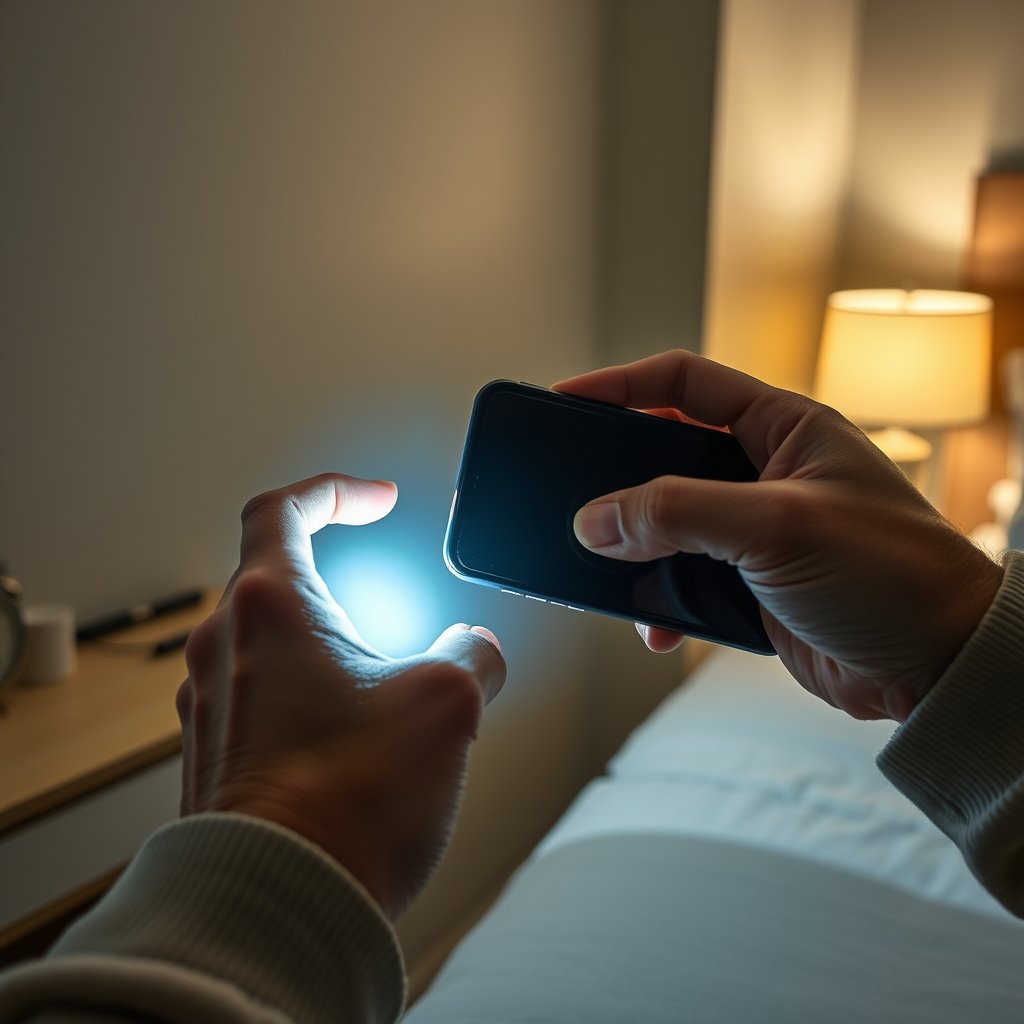
- Smartphone IR check: Aim your phone camera at suspicious electronics or ceiling fixtures in a darkened room. Many phone cameras, especially front-facing ones, can “see” infrared lights (emitted by many cheap cameras). If you spot a series of glowing dots invisible to the naked eye, check further.
- RF detector use: RF (radio frequency) detectors scan for wireless signals from transmitting spy devices. Slowly sweep the detector around plugs, gadgets, and fixtures. A spike may indicate an active device, but remember: many everyday electronics also emit RF.
- Wi-Fi network scan: Connect your device and run a network scanning app (like Fing). Look for unfamiliar devices, especially those labeled as cameras, or those connecting without your approval.
Remember, these methods help with basic hidden camera detection apps and tools, but each has its own weaknesses—see the next section for pitfalls.
For more practical advice on personal security devices, browse our Solo Female Travel Security Kit post, or review hand-picked gear in the Best Travel Security Products guide.
Technical limitations — what consumer methods miss
Every detection method leaves blind spots. Understanding hidden cameras hotel room detection limitations is critical to avoid a false sense of security:
| Method | What it Finds | What it Misses | Common Pitfall |
|---|---|---|---|
| Visual/Flashlight Sweep | Visible lenses, disguised objects, reflective elements | Well-camouflaged or pinhole cameras | Overlooking ordinary items or assuming “hidden” means tiny |
| Smartphone IR Check | Active IR LEDs on cameras | Non-IR cameras or hidden IR LEDs | Phone camera may block IR or miss certain wavelengths |
| RF Detector Use | Transmitting (wireless) spy devices | Wired/offline or SD card-only recorders | False positives from normal gadgets (Wi-Fi router, remote, baby monitor) |
| Wi-Fi Network Scan | Devices on same Wi-Fi network | Devices not using hotel Wi-Fi, or using wired/offline storage | Mistaking printers, TVs, or staff devices as suspicious |
If you want a deeper dive into how apps perform these checks, see our Hidden Camera Detector App Guide.
No single method is foolproof. Sophisticated criminals use non-wireless or recording-only devices—with no RF or network signature to spot. And some gadgets produce signals similar to those from spy cameras, leading to unnecessary panic or wasted time. Awareness of these shortcomings is your first line of defense.
How to choose and use an RF/anti-spy device (practical buyer guidance)
RF detector use is popular, but not all devices are created equal. Here’s what matters in a hotel scenario:
- Frequency coverage: Look for models that sweep at least 20MHz to 6GHz, covering common spy camera bands.
- Sensitivity: Adjustable sensitivity helps pinpoint sources by reducing interference from non-suspicious devices.
- Portability: Small, battery-powered units are best for travelers, fitting in your carry-on or pocket.
- Simple indicators: Models with clear visual or audio alerts (lights, beeps, vibration) make sweeps easier and less intimidating for non-experts.
No reliable average price was found for 2024 devices, but solid entry-level models generally range from $20 to $80 online. Beware of very cheap units—many lack the range or sensitivity required for meaningful detection.
When sweeping your room:
- Walk slowly in a circle, holding the detector close to electronics, smoke detectors, clocks, vents, and wall outlets.
- If the device signals, decrease sensitivity and continue—if the alert gets louder near one item, investigate visually or try a flashlight/phone IR check.
- If the source cannot be explained, notify management or authorities with your findings—never dismantle the object yourself.
Need other hotel room security tips? Our all-in-one portable RF detector review covers traveler-friendly devices worth packing.
Legal protections and accountability — what guests should know (with emphasis on U.S. context)
In the U.S., guests generally have a right to privacy in their hotel rooms. Hidden cameras there are almost always unlawful, and audio recording (even without video) often violates federal and state wiretap laws. (Source)
Hotels rarely risk placing cameras in private spaces due to high liability. Surveillance is allowed in public zones (lobbies, hallways) but should not enter your actual room or bathroom. If you discover a camera, you have grounds to report to law enforcement. Do note: accountability and enforcement rates — especially in other countries — are not routinely documented. Laws abroad may differ, so study local regulations for destination-specific concerns.
For renters or vacation accommodations, rules can vary. See our Airbnb Safety Tips for Guests for more on privacy rights and reporting steps.
Top 3 critical sub-topics most guides miss (and why they matter)
- Powerful concealments in everyday charging accessories: Modern spy cameras are disguised as USB wall chargers or portable batteries and are hard to spot. Always include these in your initial scan.
- The limits of consumer detection — not a substitute for professional investigation: Personal checks may miss sophisticated threats. If you have serious cause (sensitive business, high-risk status, ongoing harassment), hiring a professional sweep is warranted.
- No reliable hotel-specific data: Most “rising threat” stories are based on public surveys or rental incidents, not hotel room evidence. Don’t let sensationalist stories drive anxious overreactions — but do protect yourself.
Want a more robust travel safety approach? Our Travel Safety Checklist covers not just privacy but burglary, health, and digital risks.
If you find a camera — step-by-step immediate actions
What should you do if you spot something suspicious? Here’s a simple, prioritized list:
- Do not touch or remove the device. Your fingerprints and the device’s state can be vital for police evidence.
- Carefully document everything: Take photos and short videos showing the device, location, room number, and time. Capture wide shots and close-ups.
- Alert hotel management immediately. Request to escalate to the general manager. Politely ask them to call the police (or do so yourself if uncomfortable).
- In vacation rentals (like Airbnb): Consider leaving immediately to avoid accusations or escalation. Notify law enforcement and the booking platform after you’re out.
- Request to change rooms or a refund. You have a right to privacy — assert it calmly, and keep your photos for records.
- If you must use the room temporarily: Only cover the lens with a cloth or sticky note. Do not dismantle or throw away the device.
For a broad guide on hotel room and entry security, our How to Secure a Hotel Room Door post is another essential read to protect privacy in hotels.
Travel-ready checklist and quick tools to carry
Make smart detection a routine. Here’s a concise checklist to print or save:
- Visual sweep zones: Smoke detectors, alarm clocks, chargers, bathroom vents, TV consoles, lamps, and any “extra” gadgets.
- Essential tools: Phone flashlight, phone camera (test for IR), portable RF detector, network scanning app.
- Detection steps: Use flashlight sweep, darken room for phone IR check, RF sweep all fixed and movable electronics, scan the hotel Wi-Fi network for unknown devices.
- Evidence routine: Photos of any suspicious device, room number, time, and overview of the full room setup.
- Contacts on hand: Hotel manager, local police (non-emergency and 911), booking platform customer support.
For a deeper look at privacy travel tools, check our Best Hidden Camera Detector App comparison, and the Best Travel Safety Gadgets Under $30 for affordable options.
FAQ / quick myth-busting (what detection does — and doesn’t — prove)
Does an RF detector spike always mean there’s a spy camera?
No. RF detectors alert to any radio signal. Wireless routers, smart TVs, Bluetooth speakers, and even keycard locks can set off alarms. A positive result means investigate further — not that you’re being spied on for sure.
Can every phone see IR light from hidden cameras?
No. Many newer phone cameras filter out IR completely. Test your camera with a TV remote first. Only some phone models will show glowing IR LEDs from spy devices.
Should I immediately remove or turn off a device I think is a camera?
Never touch, dismantle, or remove the device unless you need to cover the lens temporarily for urgent privacy. You could destroy evidence needed for police and for your case with the hotel or booking platform.
Are hotels actually the main place hidden cameras are found?
No reliable evidence points to hotels as the chief problem. Most survey data combines all rentals. Cases in regulated hotels remain rare, but awareness and detection are always smart.
Can I be certain there are no hidden cameras in my room if my detection sweep is clear?
No. Consumer methods can miss wired, offline, or well-camouflaged devices. Use a layered approach, stay aware of your surroundings, and act on any genuine suspicion — but don’t let perfect be the enemy of good.