
TSA approved lock guide: In 2024, most travelers are told to buy any “TSA lock” but few realize how little transparent, independent data exists. This practical TSA approved lock guide highlights those data gaps, breaks down official requirements, and gives you a clear, no-fluff buying process so you can protect your luggage with confidence—even when brands cut corners or info is missing.
Key Takeaways
- You must use a Travel Sentry/Red Diamond airport security lock (Travel Sentry/Red Diamond or equivalent) to minimize the chance of your lock being cut during checked baggage screening.
- No independent or government body publishes up-to-date rankings, durability tests, or reliability data for TSA-approved locks—shop carefully using transparent specs and real buyer feedback.
- Watch out for unclear marketing, warranty gaps, and reviews hiding major failure points; combine spec checks and user research to make the best choice.
- Quick intro — why this guide matters
- Latest TSA guidance you need to know (2024)
- The single most important buying rule
- Where the market lacks transparency — the critical data gaps
- Common user complaints & failure points — what to watch for when reading reviews
- How TSA actually opens and relocks these locks
- What to look for in technical specs (materials, shackle strength, reset)
- Brands and models — how to shortlist when independent rankings aren’t available
- Combination locks vs keyed — security-to-ease-of-use tradeoffs
- Price, warranty and lifespan — what to expect in 2024
- Practical buying checklist — step-by-step shopper action items
- Short FAQ — quick answers to common buyer questions
- Appendix / Research notes for transparency
Quick intro — why this guide matters
Travelers want to protect their bags, avoid cut locks, and buy with confidence—but the reality is, there’s no central database or independent test lab openly ranking TSA-approved locks. This TSA approved lock guide empowers you to identify which features and marks truly matter, exposes where brands rely on marketing instead of proof, and arms you with a reliable step-by-step process for buying even when the data isn’t there.
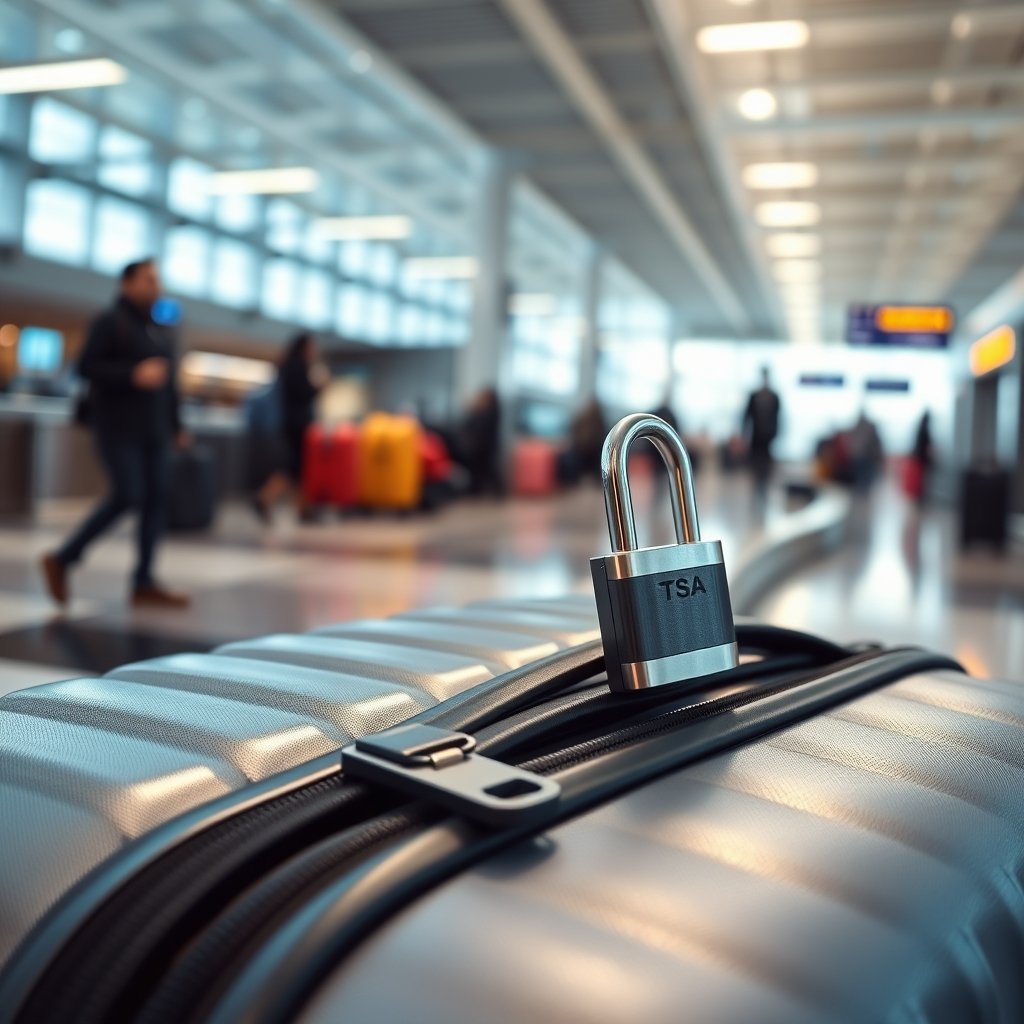
According to the TSA’s official guidance, “checked baggage may be locked, but if TSA cannot open the lock, officers may cut it to inspect the bag”. TSA recommends using a TSA-approved luggage lock or other TSA-recognized lock marked for agent access. This protects your lock and your belongings from damage during required security inspections.
Latest TSA guidance you need to know (2024)
As of 2024, the TSA’s airport security lock recommendation remains unchanged: use locks that are TSA-recognized (mainly Travel Sentry/Red Diamond logo or equivalent systems) so screening agents can open and relock your baggage for inspections.
There is no new TSA-specific lock rule for 2024; the same practical rule applies: if your luggage lock cannot be opened by TSA, it can be cut at your own risk (source).
“Airport security lock” often appears on packaging, but what actually matters is that it’s truly recognized by TSA personnel. Only TSA-recognized locks, not just “travel” or “security” labeled products, guarantee access for baggage screening personnel.
There is no public data on what percentage of U.S. checked bags use these locks, nor are there published failure or cut rates by lock model.
The single most important buying rule
If you want to avoid damage, always buy a luggage lock that TSA can open using official master access tools—recognized by the “Travel Sentry/Red Diamond” Red Diamond logo or equivalent manufacturer-adopted markings.
TSA-recognized means the lock has a special mechanism inside that allows an agent with a master key/tool to unlock, inspect, and relock your bag without having to cut the shackle. The red diamond is the easiest way to visually confirm this. Most reputable lock brands highlight this on packaging, product, and product page images (source).
If you use any lock—combo, keyed, smart, or unusual shackle design—that does not have a visible Travel Sentry/Red Diamond logo, assume it is not TSA-recognized and may be cut if your luggage requires an inspection while checked.
Where the market lacks transparency — the critical data gaps
Even in 2024, there is a striking lack of reliable, aggregated public data on TSA-recognized lock performance. No entity—government, testing lab, or journalist—regularly publishes usage rates, durability failures, warranty averages, or truly independent model rankings.
- No reliable data for how many bags use TSA-recognized locks
- No recent, source-backed cross-tested independent rankings of TSA locks across brands (source)
- No market-wide failure rate, warranty, or lifespan data
- No public field studies measuring lock survival in real airports
For shoppers, this means marketing claims and review-star averages are not a substitute for evidence. Compensate by:
- Scrutinizing specs and warranty promises
- Seeking peer reviews with proof of real-world use
- Documenting your own usage and issues for future product feedback
Common user complaints & failure points — what to watch for when reading reviews
No large-scale, source-backed summary exists for TSA lock reviews detailing the most common failure points. However, practical buyers can watch for clear patterns and red flags across major retailers (e.g., Amazon, Walmart, travel goods stores):
- Combination jams: Reports where customers cannot open the lock after travel or after resetting codes
- Shackle breakage: Weak or exposed shackle design can break or be pried open with basic tools
- Weather/corrosion: Moisture exposure leads to stuck dials or rusted shackles after a few trips
- Reset difficulty: Locks that are hard to re-program can be rendered unusable by mistake
- False advertising: Some “TSA style” locks are not actually agent-accessible—check the red diamond, model, and trusted brand status
When reading TSA lock review content or user feedback:
- Find photos of locks in real use (not just product shots)
- Check for retailer-verified purchase badges
- Read several recent complaints about travel use, not just home/desk use
- Be skeptical of hundreds of identical 5-star or 1-star reviews within a short review window
For more, see our related guide: Luggage Theft Prevention Tips.
How TSA actually opens and relocks these locks
Mainstream TSA-recognized locks embed a specialized cylinder activated by a universal “master” key or tool, which only screening personnel possess. This tool does NOT use your combo or standard key, and its technical specs are NOT made public.
When baggage is flagged for inspection, an officer locates the Travel Sentry (Red Diamond) mark, uses a master tool, opens and inspects the contents, relocks with the access tool, and moves your bag through. This process is invisible to you—you may find a notice slip inside letting you know your bag was inspected.
Manufacturers like Master Lock and Travel Sentry confirm that only agents with official master access tools can operate these locks. TSA does not publicly list the key’s physical code or technical drawings, to keep the system secure.
What to look for in technical specs (materials, shackle strength, reset)
Best TSA approved lock shopping means going deeper than “TSA-recognized”. Use this actionable checklist to evaluate technical specs:
- Body material: Prefer full-metal construction (zinc alloy, hardened steel) over all-plastic or low-grade ABS bodies for durability
- Shackle/bow material & diameter: Thicker, fully metal shackles are harder to break; covered/protected bows resist prying and bolt cutters better than fully exposed ones
- Shackle design: “Closed shackle” and recessed models are more secure; for soft luggage, ensure shackle diameter fits zipper holes
- Combination reset method: Look for clear, step-by-step reset instructions, protected reset buttons/levers, and the ability to reprogram easily without removing the lock
- Corrosion/weather resistance: Prioritize locks with rust-resistant coatings—key for those traveling in humid or rainy destinations
- Size/fit: Confirm the lock fits your luggage zippers, case latches, or cable loops; some sleek models look durable but don’t fit standard luggage pulls
- Manufacturer transparency: Choose brands that openly post their exact specs and warranty terms—not just marketing copy
Minimum baseline: Look for the Travel Sentry Red Diamond. Remember, no public agency or consumer group publishes standardized, cross-comparable shackle strength or reset failure rates by lock model (source).
For next-level suitcase security, compare with anti-theft travel backpacks or portable travel door locks.
Brands and models — how to shortlist when independent rankings aren’t available
Without independent, up-to-date rankings, buyers must rely on transparent specs, real-world reviews, and proven brand reputation. Here’s a realistic shortlisting process (all recommendations “brand-reputation-based” unless independent tests appear):
- Prefer brands with Travel Sentry affiliation: (e.g., Master Lock, Samsonite, TravelMore); confirm logo is visible on product/body
- Require clear, easy-to-find technical spec sheet and warranty policy
- Check retailer/verified user reviews: Focus on recent, post-2023 reviews reported after actual air travel
- Beware: Overly cheap, no-name “TSA lock” listings without proof of Travel Sentry recognition or unclear return policy
Be practical: No reliable data exists for a robust, source-backed TSA lock review or a current, cross-tested TSA lock champion model. For now, reputation and transparency trump star ratings.
For additional travel security picks, check out our guide to budget travel safety gadgets under $30.
Combination locks vs keyed — security-to-ease-of-use tradeoffs
Should you buy the best combination lock travel option or stick with a keyed model?
| Feature | Combination Locks | Keyed Locks |
|---|---|---|
| Lost-Key Risk | No key to lose | Pocket-sized key (easy to misplace) |
| Reset Complications | Reset errors possible | No combo reset risk |
| Usability for Families | Multiple combos possible (if you remember them) | Only sharable if you have extra keys |
| Speed at Airport | Slower if forgotten | Faster if key is handy |
| Security Level* | Good, but many can be decoded by skilled users | Comparable, but depends on lock quality |
*No independent or field data ranks all travel locks by true pick-resistance or real-world airport abuse.
For either style, focus on tactile dials, clear tactile “stop” feedback, and robust mechanisms to reduce lockout or false resets. For further comparisons, see our TSA luggage lock guide or explore portable locks for hotels in our hotel safety hub.
Price, warranty and lifespan — what to expect in 2024
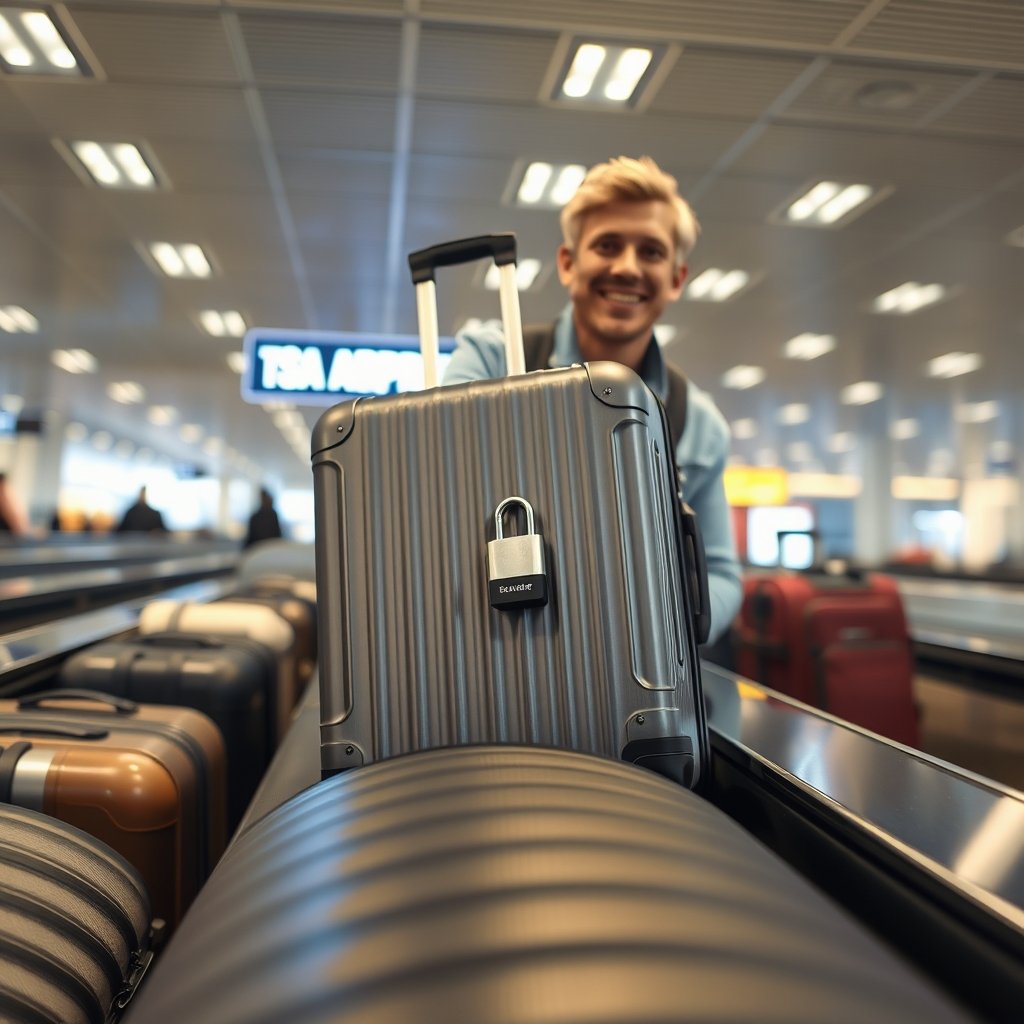
Best TSA approved lock prices range from budget ($7–$15) to mid-tier ($20–$35) for trusted brands, but no current, source-backed price ranking is available in 2024. warranty and lifespan details are also highly inconsistent between brands and even between models in the same brand family.
How to evaluate value:
- Warranty length and covered processes: Prefer at least 1-year coverage and a simple exchange/return policy
- Replacement and spare part availability: Choose brands that openly post their policies
- Return policy: Buy from retailers or authorized outlets with 30+ day returns
- Manufacturer claims: Take “Lifetime Guarantee” with caution unless details are in clear, written terms
Be skeptical of “lifetime durability” claims when you can’t verify what “lifetime” means. For a wider travel safety buying overview, see our full travel safety checklist.
Practical buying checklist — step-by-step shopper action items
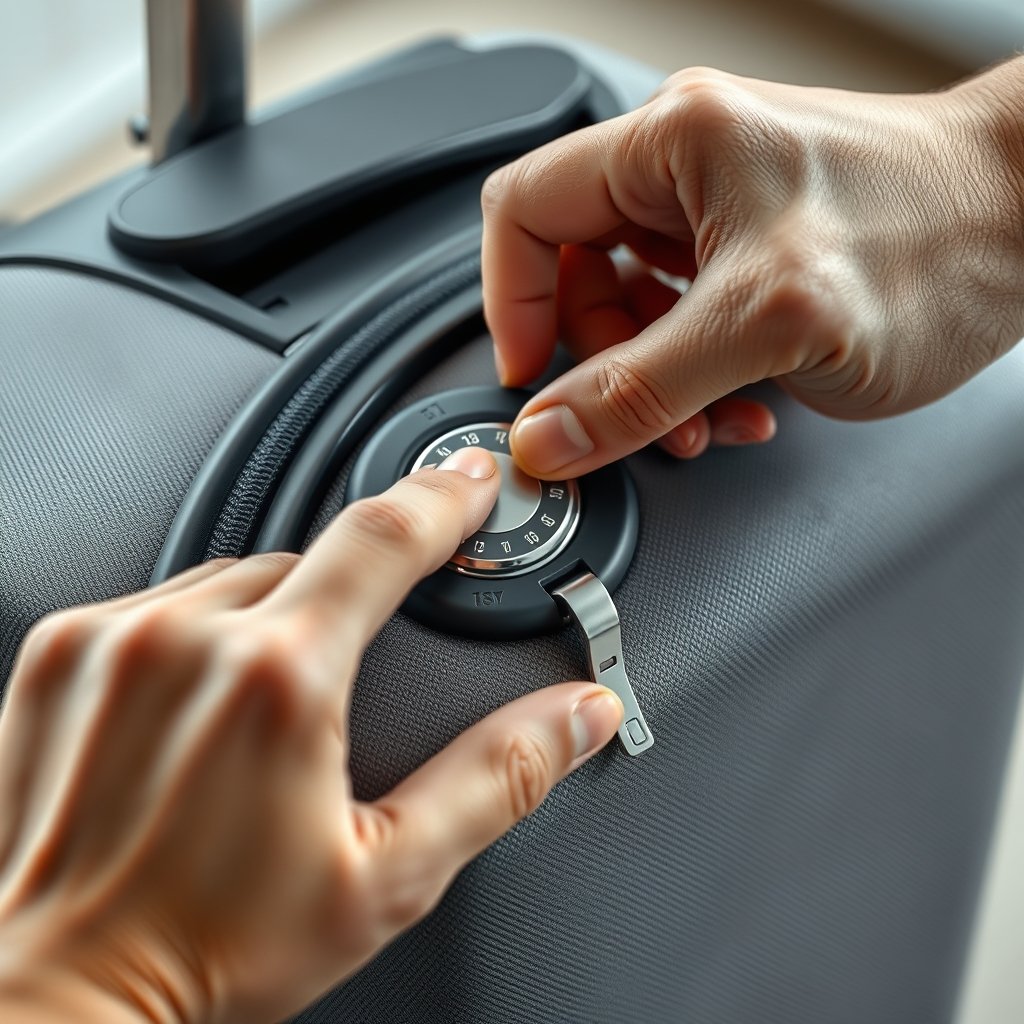
Use this TSA approved lock guide as a step-by-step checklist before you buy:
- Check for Travel Sentry/Red Diamond mark. No diamond, no guarantee it’s a luggage lock that TSA can open.
- Read spec sheets: Confirm body & shackle material, dimensions, and corrosion/weather protection.
- Review the warranty & return policy: Get this in writing or screenshot it from product pages/packaging.
- Scan recent retailer and travel forum reviews: Search for clues on breakage, combo jam, or inspection track record.
- Look for clear combination reset instructions and support resources.
- Document your lock: Take a photo of serial/model, keep your combination or key code in a safe location (never taped to the lock).
- Know why it matters: As TSA affirms, if they cannot open the lock, officers may cut it. A TSA-recognized lock is your best defense (source).
Appendix / Research notes for transparency
Transparency matters—so here are the explicit research limitations behind every major claim in this TSA lock review:
- No reliable data found for the percentage of luggage on U.S. flights that uses TSA-approved locks.
- No reliable data found for a cross-tested, current (2023–2025) ranking of TSA-approved locks from independent product tests.
- No reliable data found for verified, comparable technical specifications such as body material, shackle strength, or reset mechanisms across a current top-ranked set of models.
- No reliable data found for a current, source-backed price ranking of top-rated TSA-approved locks in 2024.
- No reliable data found for an average warranty or lifespan across leading TSA lock brands.
- No reliable data found for a validated content-gap analysis or “top three” unanswered questions in top-ranking TSA lock articles.
- No reliable data found for a quantified, source-backed summary of the most common user complaints or failure points across TSA lock reviews.
- No reliable data found for a source-backed comparison of travel combination-lock models using a security-to-ease-of-use ratio.
For evidence-driven reviews and guides, see our guides to anti-theft backpacks, portable door locks, and solo female travel safety kits.
Short FAQ — quick answers to common buyer questions
Will TSA cut my lock if it’s not TSA-recognized?
Yes. TSA specifically states that checked bags with locks they cannot open may be cut for mandatory inspection (source).
How can I quickly identify a luggage lock that TSA can open?
Look for the Travel Sentry Red Diamond logo on the lock body or packaging. This means the lock uses an internal mechanism recognized by TSA’s master key access system (source).
Are master TSA keys or agent tools available to the public?
No. The keys and technical specs are not published or made available outside airport security circles (source).
Are all “TSA style” or “airport security lock” labeled products real TSA-recognized locks?
No. Only those with the correct Travel Sentry/Red Diamond logo or named manufacturer recognition are agent-accessible. Always verify the actual logo and check the manufacturer website.
If my combination gets stuck or resets accidentally, can TSA open it?
If the lock is TSA-recognized, yes—TSA can open it with their tool. However, you may still need proof of purchase and your combo for warranty or support after your trip.
Conclusion
TSA-approved locks are not created equal. Because there is no independent, up-to-date ranking for these locks, you must rely on careful mark-checking, spec-sheet reading, and crowd-sourced feedback. This TSA approved lock guide is here to give you the facts—no more, no less. Ready to upgrade your luggage security? Take this action list shopping, and travel smarter with your next airport security lock.
For more practical tips, see related posts:
TSA Approved Luggage Lock Guide,
Travel Safety Checklist,
and our Hotel Room Security Tips.