

How to secure your luggage at airport is not just about buying a lock. If you travel often and value your electronics, you need realistic airport luggage safety strategies that fill the gaps product marketing and old advice miss. Get the facts, act early, and recover faster—without stress or misinformation.
Key Takeaways
- Most lost or rifled luggage incidents cluster at airport handoffs—protection starts before check-in, not just with gadgets.
- Photograph your luggage and packed contents for easier claims—airlines usually require proof, and insurance deadlines are short.
- Locks and trackers provide deterrence and recovery help, but cannot guarantee theft prevention—layer your strategies and know compensation limits before flying.
- Why you should care — the real scale of the problem
- What travelers actually complain about — horror stories and common failure points
- The single most effective (yet overlooked) protective habits
- Step-by-step: What to do at the airport and immediately after discovery
- Tools that help — what works, what’s only a deterrent, and what’s recovery-only
- Overlooked, low-cost tricks competitors miss (practical examples)
- Myths and clarifications — what travelers are told but shouldn’t assume
- Money matters — insurance, compensation limits, and timelines
- How airlines and airports differ — what to check before you fly
- Product recommendations and gaps — what experts in 2024 actually endorse (and what we couldn’t verify)
- Templates and checklist — actions to take before, during, and after travel
- Conclusion — realistic risk management and next steps
- FAQ
Why you should care — the real scale of the problem
Airport luggage safety is improving, but theft and damage remain concerns. According to SITA 2024, global mishandled baggage dropped to 6.3 per 1,000 passengers. That’s a 67% improvement since 2007. However, the share involving damaged or stolen luggage rose to 18% of mishandled bags in 2024, up from 15% in 2023 (industry report).
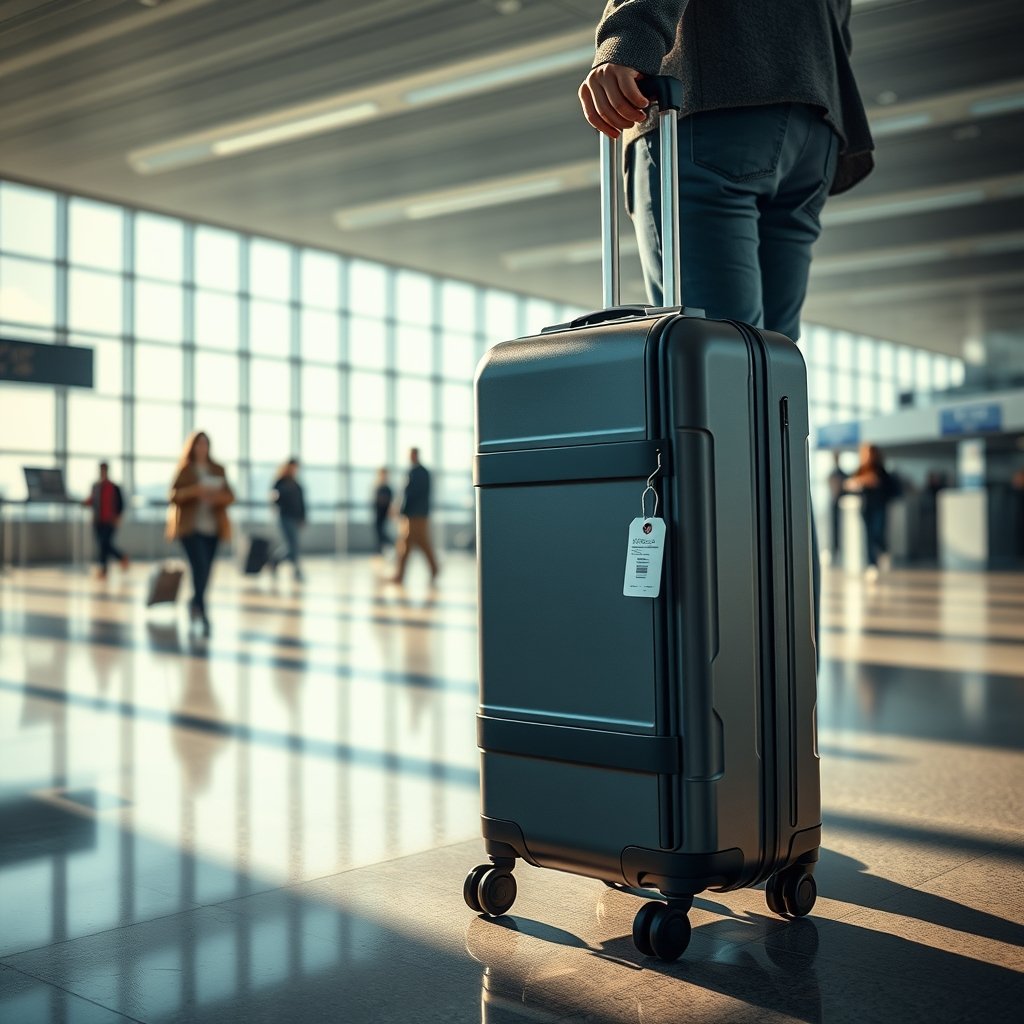
While the overall risk is statistically low, mishandling affects tens of millions of bags every year—33.4 million in 2024 globally. For high-value travelers, even a small chance of loss or tampering justifies extra steps.
What travelers actually complain about — horror stories and common failure points
Frequent travelers most often report missing items, bags rifled through, and broken locks. Complaints peak when luggage goes through several handoffs: check-in, security screening, transfer, then arrival. These stages offer more opportunities for theft or mistakes (CAA baggage guidance).
Other problems include delayed recovery—even with trackers—plus partial or denied reimbursements for lost belongings, especially valuables. Few guides mention that your claim can be limited if you don’t act fast or have no evidence.
No reputable source provides a ranked list of airports with most theft reports; risks exist everywhere with busy, multi-stage baggage handling systems.
The single most effective (yet overlooked) protective habits
The most high-impact, low-effort way to protect your luggage at the airport is to photograph your bag (inside and out), including how it’s locked and your packed items. Why? Airlines and travel insurance typically need proof for quick payout (CAA claims advice).
- Keep valuables, electronics, and irreplaceable documents out of checked bags—always in your carry-on.
- Insert an ID card and your itinerary inside your luggage as a backup tag.
- Immediately file a Property Irregularity Report (PIR) at the airport desk if anything is missing or damaged.
- Keep all receipts for valuable items so you can apply for reimbursement—start the claim on the same day for the best chance of full recovery.
Most travelers simply skip these easy steps, then run into problems when they need a refund. Documentation is your safety net, not just gadgets.
Step-by-step: What to do at the airport and immediately after discovery
- Pack all valuables, electronics, and prescription items in your carry-on—not in checked luggage.
- Before check-in, use your phone to snap clear photos of:
- The outside of your suitcase (including visible ID tags and lock)
- The inside, open and packed, showing any high-value items
- Receipts or serial numbers for expensive items (keep digital copies)
- At the airport, use a TSA-Approved Locks or cable tie, and photograph your lock engaged.
- After collecting your bag, inspect it before leaving the controlled area. If you spot damage, missing contents, or broken seals, do not leave.
- Go immediately to your airline’s baggage desk and request a Property Irregularity Report (PIR). List specific missing items and show your photos.
- Ask for written confirmation of your report and review deadlines—the UK, for example, typically gives you 7 days (CAA guidance), while some travel insurance expects a claim within 20 days.
- Follow up by starting your airline claim and insurance claim as soon as you get home, attaching all reports, receipts, and images.
For a more comprehensive personal security plan, see our personal safety plan guide or our focused luggage theft prevention tips.
Tools that help — what works, what’s only a deterrent, and what’s recovery-only
- TSA-Approved Locks: Allow airport security access, deter but cannot stop forced entry (buying guide). Durable models with visible combination dials are easiest for staff to relock.
- Plastic Wrap: Useful for tamper evidence, but cannot prevent cutting or determined theft.
- RFID Tags / Airline-issue barcodes: Aid identification and airline tracking, do not physically protect the bag.
- Bluetooth / GPS Trackers: Help with recovery if a bag is lost, but do not prevent theft. Coverage depends on location and the product’s network—no reliable “find rate” is published for major brands.
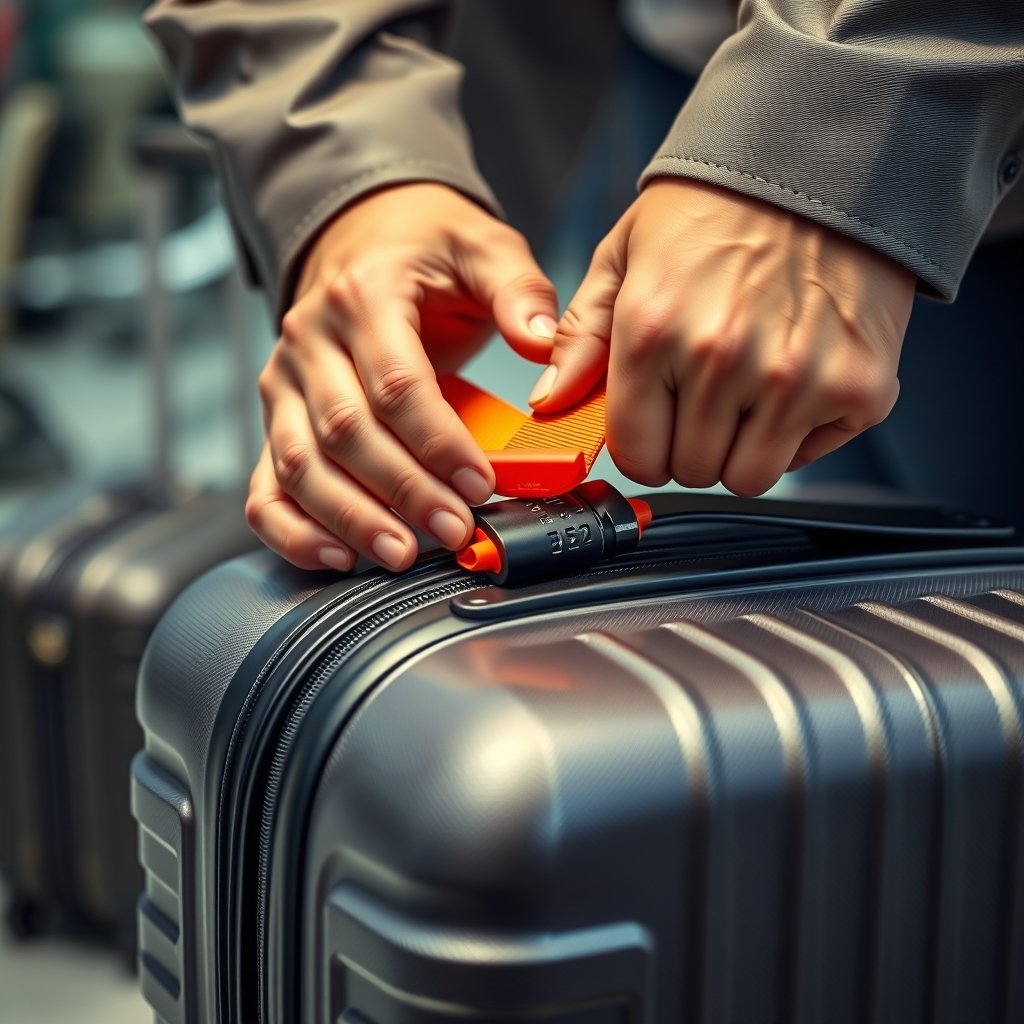
- Internal Zip Ties or Tamper Seals: These low-cost additions show if someone opened your bag, supporting your claim, though they are not security devices.
No device on the current market is proven by independent data to make a bag theft-proof. Always pair physical deterrents with strong documentation.
Want true anti-theft features? Consider an anti-theft travel backpack with slash-proof panels and hidden zippers, or check out the best GPS luggage tracker review for recovery options.
Overlooked, low-cost tricks competitors miss (practical examples)
- Add an itinerary card inside your luggage with your name, flight, and next destination—it helps airlines contact you directly.
- Use a “decoy” layer: place old t-shirts or non-valuables on top of real valuables (if you must check them—though we strongly advise against it).
- Zip ties inside main zippers: Colorful, numbered ties can show if your bag was opened—and can be cut off at arrival.
- Fill out a photo-and-inventory template: List key items packed, take a snapshot, and store in the cloud or your email draft.
- Scan or photograph expensive item receipts, especially for laptops or cameras. Store copies digitally and bring hard copies only when necessary.
Most top-ranking travel blogs skip these, but airlines and claims adjusters say documenting contents and rapid reporting are key.
If you’re a solo traveler, our solo female travel safety tips guide covers more clever packing and in-country security tricks.
Myths and clarifications — what travelers are told but shouldn’t assume
- Myth: Luggage wrap = Security. Plastic wrap cannot physically stop a thief; it only shows if the package was tampered with. Some airports sell wrap-but do not rely on it alone.
- Myth: Trackers prevent theft. Trackers (like AirTag, Tile) are for recovery, not for prevention. Thieves can simply ignore or remove a tracker if they find it. See our AirTag for travel safety review for usage tips.
- Myth: Airlines always reimburse fully. In reality, airline payouts are often capped and exclude expensive electronics, jewelry, and cash unless you’ve bought extra insurance (CAA: Baggage compensation).
- Myth: All airlines and airports offer equal protection. Policies, deadlines, and even in-terminal surveillance vary. Never assume another airport or airline works like your usual one.
Bottom line: Don’t put all your trust in layers of plastic, a single lock, or hope. Documentation, deterrence, and quick reporting are your best defense.
Money matters — insurance, compensation limits, and timelines
Here’s what travelers often overlook about travel insurance, airline liability, and how fast you need to act:
- Airline compensation limits are usually about £1,000 in the UK (source: CAA guidance), and may exclude expensive electronics or jewelry unless declared and insured separately.
- Many travel insurance policies offer up to $3,000 in total reimbursement, but typically require claim submission within 20 days of loss with full supporting documentation (sample policy).
- UK and European airline claim deadlines can be as short as 7 days after you receive or should have received your luggage—act fast or risk losing compensation.
- Airline liability and insurance coverage often do not stack—you may be compensated by only one, whichever pays first.
- Receipts and photo evidence are almost always required for the maximum payout—the more detailed your evidence, the higher your chance of full reimbursement.
Need to keep your budget in check? Our best travel safety gadgets under $30 list covers affordable upgrades for protection.
How airlines and airports differ — what to check before you fly
Not all airlines and airports handle luggage safety the same way:
- Check: Airline’s compensation cap for lost/damaged bags—some are much lower than others.
- Check: Reporting and claim deadlines—missing a 7 or 20-day window can void your claim, even with perfect evidence.
- Check: Airline and country baggage rules—some strictly exclude specific valuables or require written declarations at check-in.
- Check: Whether your departure or layover airports re-screen or re-check bags (certain international flights in Europe or the US may do this, exposing your bag to extra risk).
There’s no public, up-to-date source comparing surveillance or screening practices by airport. Assume variations and double up on habits that support quick recovery and identification.
You might also want to read our guide to hotel security in Europe for destination-specific advice.
Product recommendations and gaps — what experts in 2024 actually endorse (and what we couldn’t verify)
We recommend focusing on categories and selection criteria—rather than individual brands—since no reliable comparative test data exists for current TSA locks or trackers.
- Best TSA Lock (Airport Use): Choose a lock with TSA logo, combination or key, and all-metal construction. Look for lock bodies with visible status indicators (to show if TSA has opened it).
- Best Tracker for Recovery: Compare based on battery life (ideally 6-12 months), Bluetooth range, app features, and network support. See our overview on Bluetooth and GPS luggage trackers.
- RFID Tags: Airline-provided RFID bag tags can help with identification. If buying your own, make sure the tag matches your airline’s systems.
Price ranges: TSA locks: $10-30; GPS/Bluetooth trackers: $25-60; RFID tags: under $10 each. Invest in reputable brands with transparent warranty and published security test results. Don’t expect any device to “guarantee” theft prevention.
Need more? Our TSA approved lock guide covers lock types and usage, and our best travel security products roundup explains how to bundle tools for layered protection.
Templates and checklist — actions to take before, during, and after travel
Here’s a printable and screenshot-friendly checklist to stay ahead:
| When | Actions |
|---|---|
| Before Airport |
|
| At Airport |
|
| After Arrival |
|
Templates:
- Photo checklist: Snap outside bag, inside bag (spread items), lock engaged, and valuable receipts.
- Inventory template: Item, brand/model, value, photo filename or cloud link, receipt Y/N.
- PIR script sample: “My bag (brand, color, tag number) is missing contents/X is damaged. Here are my photos and list.”
- Insurance claim starter checklist: PIR copy, photos, receipts, date/time, missing/damage description.
- Internal ID: Name, phone, email, hotel for next 72 hours, itinerary number.
To cover more, check out our master travel safety checklist.

Conclusion — realistic risk management and next steps
The total risk of theft is low, but the hassle and real loss can be high if it happens to you. Use a layered approach: avoid checking valuables, document your contents, use deterrent devices, get travel insurance, and report any issues on the spot.
How to secure your luggage at airport is not about magic gadgets—it’s about habits, verification, and fast action. Take these precautions, print or save the checklist, and travel with far less worry.
Ready to boost your protection? Review your next trip with our hotel room door security guide and set up alerts for your valuables.
FAQ
Is a TSA-approved lock enough to prevent luggage theft?
No. TSA locks are a deterrent and allow security to relock your bag without cutting, but they will not stop a determined thief. Use them as one part of a layered security plan.
How can I maximize airline compensation for lost or damaged baggage?
Photograph your luggage and contents before travel. File a Property Irregularity Report at the airport immediately on discovery. Submit claims within the airline or country deadline (often just 7 days in the UK) and attach all receipts and evidence.
Should I wrap my luggage in plastic at the airport?
Plastic wrap helps signal tampering, but does not physically prevent theft or bag damage. Use it for extra evidence, not total protection.
Do Bluetooth or GPS trackers prevent luggage theft?
No, trackers help with recovery after loss but do not deter theft. Place trackers discreetly and use them with other safeguards. Read our AirTag for travel safety review for best practices.
Do travel insurance and airline compensation both cover my losses?
Usually, you can only claim once per incident (not both). Insurance sometimes supplements weak airline caps, but always check cover limits and deadlines before traveling.